What Is Sheet Metal Fabrication? A Complete Guide for Global OEM Buyers
What Is Sheet Metal Fabrication? A Complete Guide for Global OEM Buyers
Quick answer: Sheet metal fabrication is cutting, bending, welding, finishing and assembling flat metal sheets into finished parts, typically 0.5–20 mm thick steel, stainless steel or aluminum. Modern fiber lasers hold about ±0.05 mm and CNC bending holds ±0.1 mm with ±0.5° angles. An ISO 9001:2015-certified, single-facility contract manufacturer shortens lead times from drawing to prototype to delivery.
1. Introduction
Sheet metal fabrication is one of the most important manufacturing processes in the world. It turns flat metal sheets into the parts, enclosures, and products that power modern industry. From battery cabinets for energy storage to server racks for data centers, fabricated metal is everywhere.
If you are an engineering manager, procurement specialist, or OEM decision-maker, you need a clear picture of how this process works. You need to know what it costs, what it can produce, and how to choose the right partner.
This guide covers all of that. It explains the sheet metal fabrication process step by step. It reviews materials, applications, and cost factors. And it shows you how to source custom metal fabrication from a reliable manufacturer like SafeFaber.
By the end, you will know exactly what to prepare before you send out your next request for quotation.
2. What Is Sheet Metal Fabrication?
Sheet metal fabrication is the process of cutting, bending, and assembling flat metal sheets into finished parts or products. It starts with a flat sheet of steel, aluminum, or another metal. That sheet is then cut, formed, and joined until it becomes the final component.
Fabrication is different from machining. Machining removes material from a solid block. Fabrication starts with a thin sheet and shapes it through cutting, bending, and joining. This makes it fast, efficient, and cost-effective for many industrial parts.
The process covers many operations. For a technical overview of the raw material itself, see the sheet metal reference on Wikipedia. Cutting divides the sheet into shapes. Bending forms angles and curves. Welding joins pieces together. Punching creates holes and slots. Finishing protects the surface. Assembly turns parts into complete products.
Precision sheet metal fabrication adds tight tolerances and strict quality control to this process. It is what OEMs need when parts must fit perfectly and perform reliably. Contract metal fabrication takes this further. A contract manufacturer runs the full process for you, from design review to delivery. SafeFaber operates exactly this way: a single ISO-certified facility that owns every step, which is the modern model of contract manufacturing.
Many companies offer sheet metal fabrication services. The best ones keep every step in-house. This means one team, one quality standard, and one point of responsibility. It also means shorter lead times, because parts never wait in line at a subcontractor.
3. Core Sheet Metal Fabrication Processes
Every fabricated part moves through a series of processes. Understanding each one helps you specify parts correctly and avoid costly mistakes.
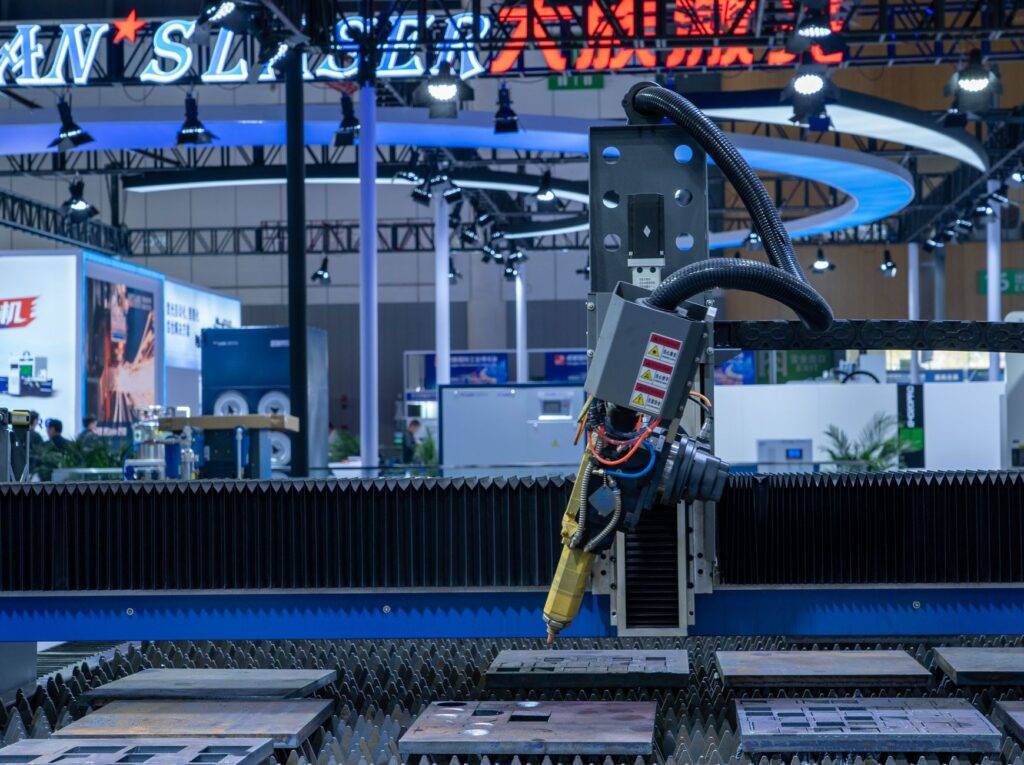
3.1 Laser Cutting
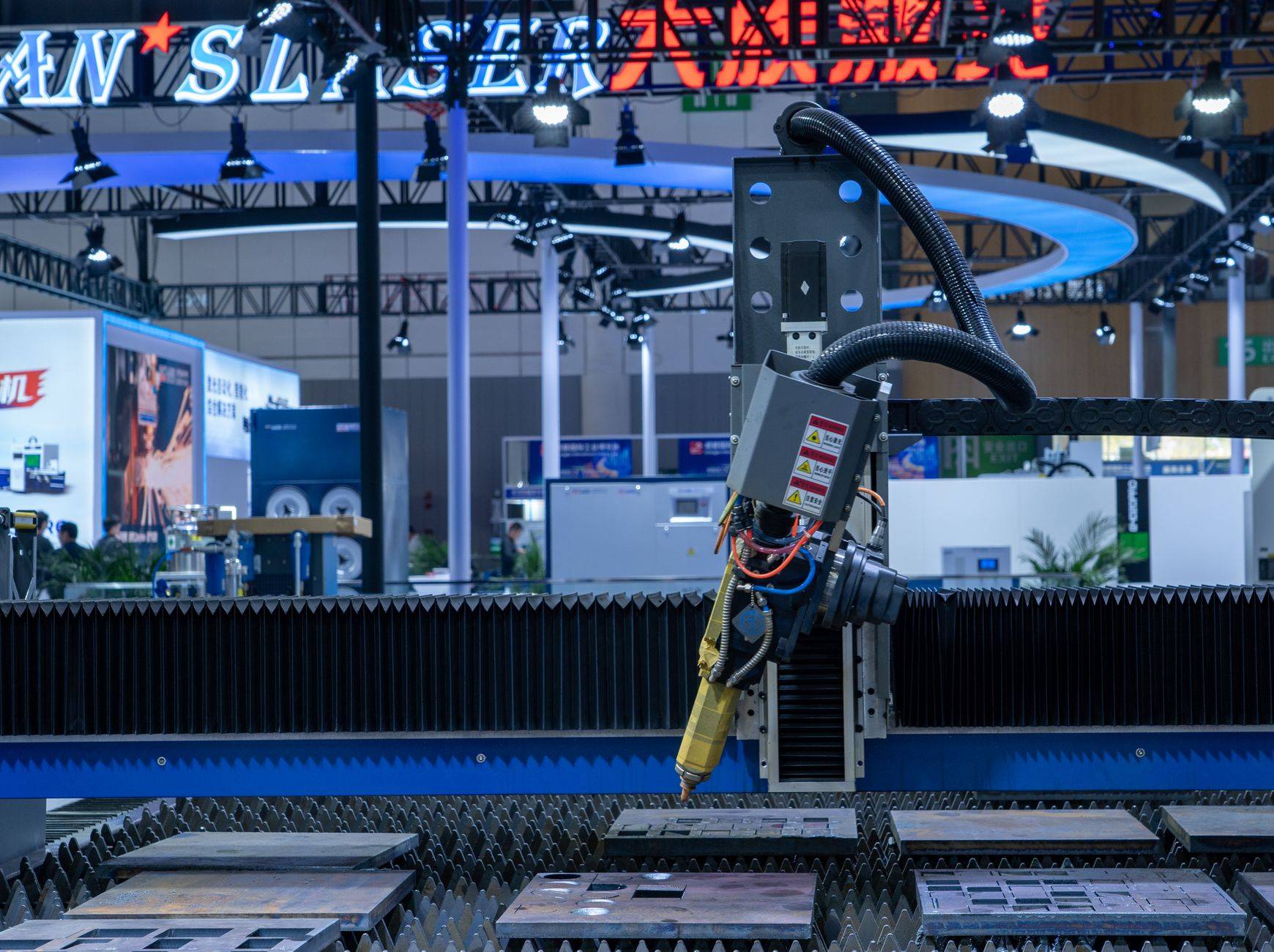
Laser cutting is the most common first step. A high-power laser beam melts and vaporizes metal along a precise path. It cuts complex shapes, tight corners, and small holes with high accuracy.
Modern fiber lasers hold tolerances around ±0.05 mm. They produce clean edges with minimal heat damage. For the physics behind the process, see laser cutting on Wikipedia. Unlike older methods, they cut reflective metals like aluminum and copper without trouble. SafeFaber uses high-power fiber laser cutting on sheet metal from 0.5 mm to 20 mm thick, across steel, stainless steel, and aluminum.
Laser cutting suits prototypes and mass production alike. It needs no hard tooling, so design changes are cheap. This makes it ideal for custom sheet metal fabrication.
3.2 CNC Bending
After cutting, most parts need bends. CNC bending uses a press brake to fold metal along straight lines. The machine controls the bend angle and position automatically.
Precision matters here. A good shop holds bend accuracy around ±0.1 mm and angle tolerance around ±0.5°. Material spring-back must be compensated in the program. SafeFaber's automated CNC bending line forms parts up to 3 meters long, from simple flanges to complex box shapes with consistent corners.
Bend radius depends on material and thickness. As a rule, the minimum inside radius is about one times the material thickness. Your fabricator should confirm this during design review. Getting it right the first time avoids cracked bends and rework.
3.3 Welding
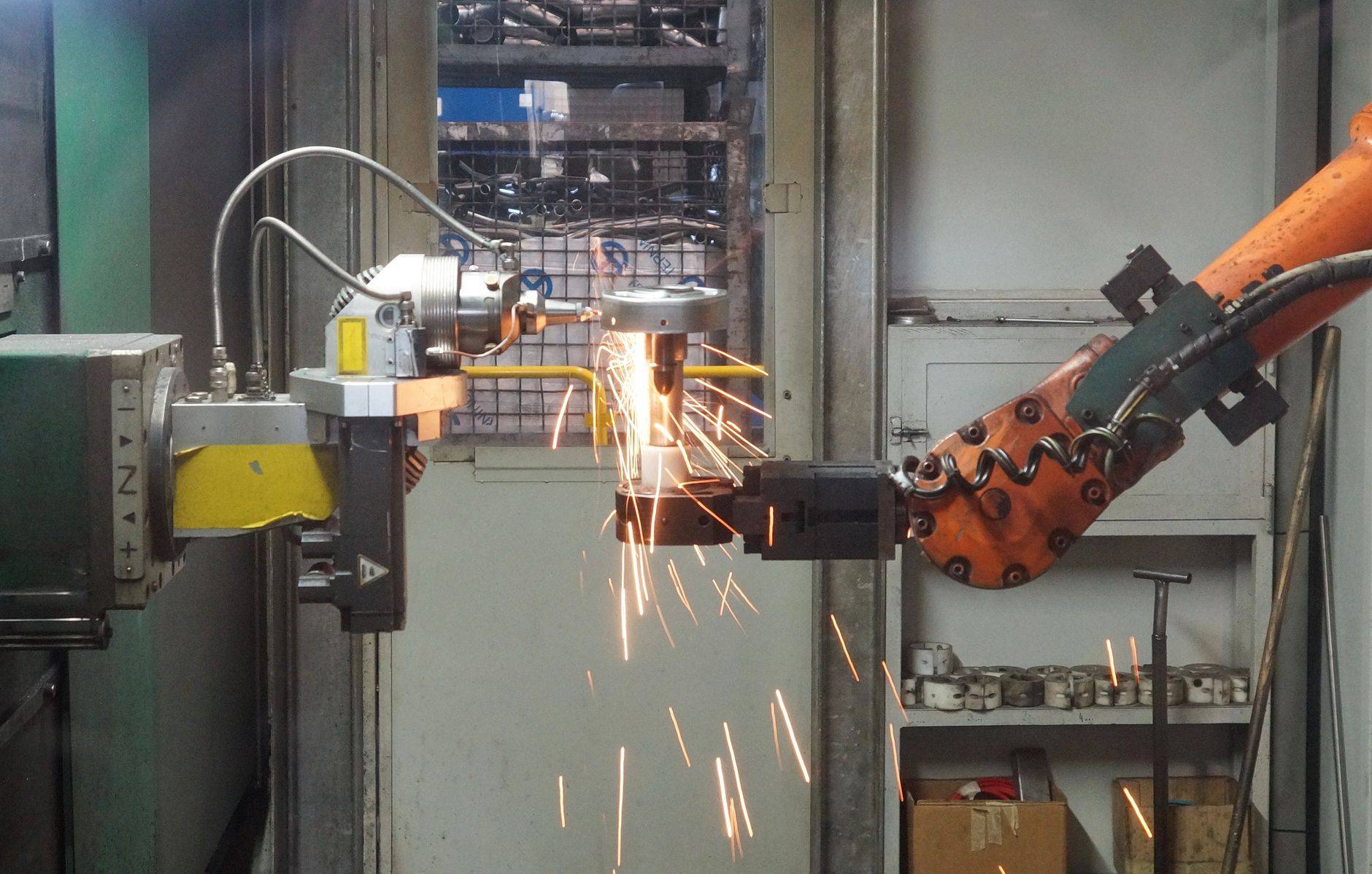
Welding joins metal pieces with heat. It creates strong, permanent connections. Common methods include MIG, TIG, and spot welding.
Welding is used for frames, enclosures, brackets, and assemblies. For cabinets and enclosures, weld quality affects strength, sealing, and appearance. Distortion control is a real skill. Qualified welders and documented inspection make a measurable difference.
SafeFaber runs in-house welding with qualified welders and custom jigs. Weld reports and material certificates are available on request. This supports OEM programs that need full traceability from coil to container.
3.4 Punching and Stamping
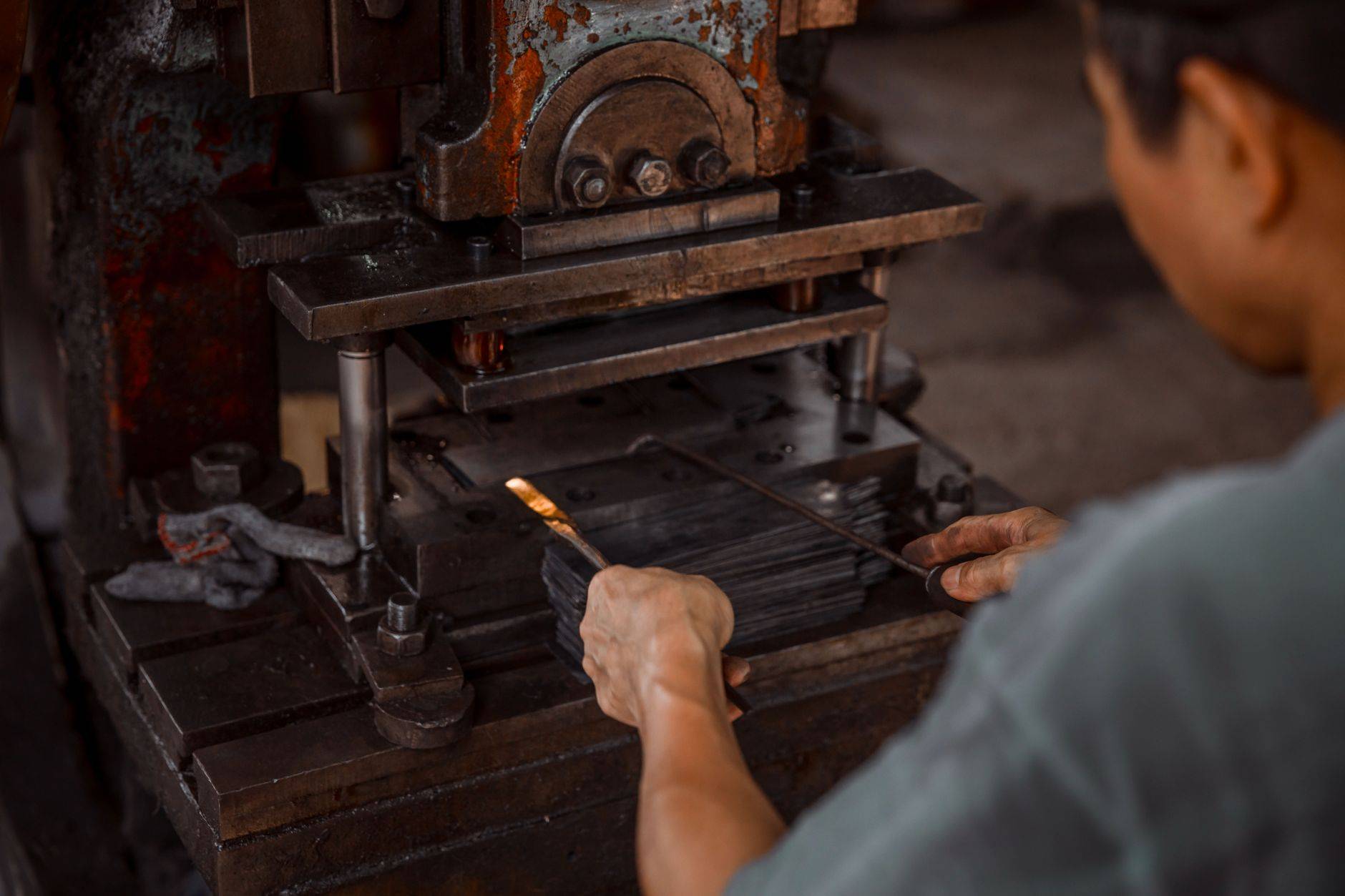
Punching cuts holes, slots, and shapes using a punch and die. It is fast and economical for repeated features. Stamping adds forming in the same step, creating embosses, louvers, and countersinks.
Automated punching machines combine many tools in one press. This reduces handling and keeps accuracy high. For parts with many holes, punching is usually cheaper than laser cutting. For low volumes, laser cutting wins. Many shops, including SafeFaber, use both and choose per part.
3.5 Surface Finishing
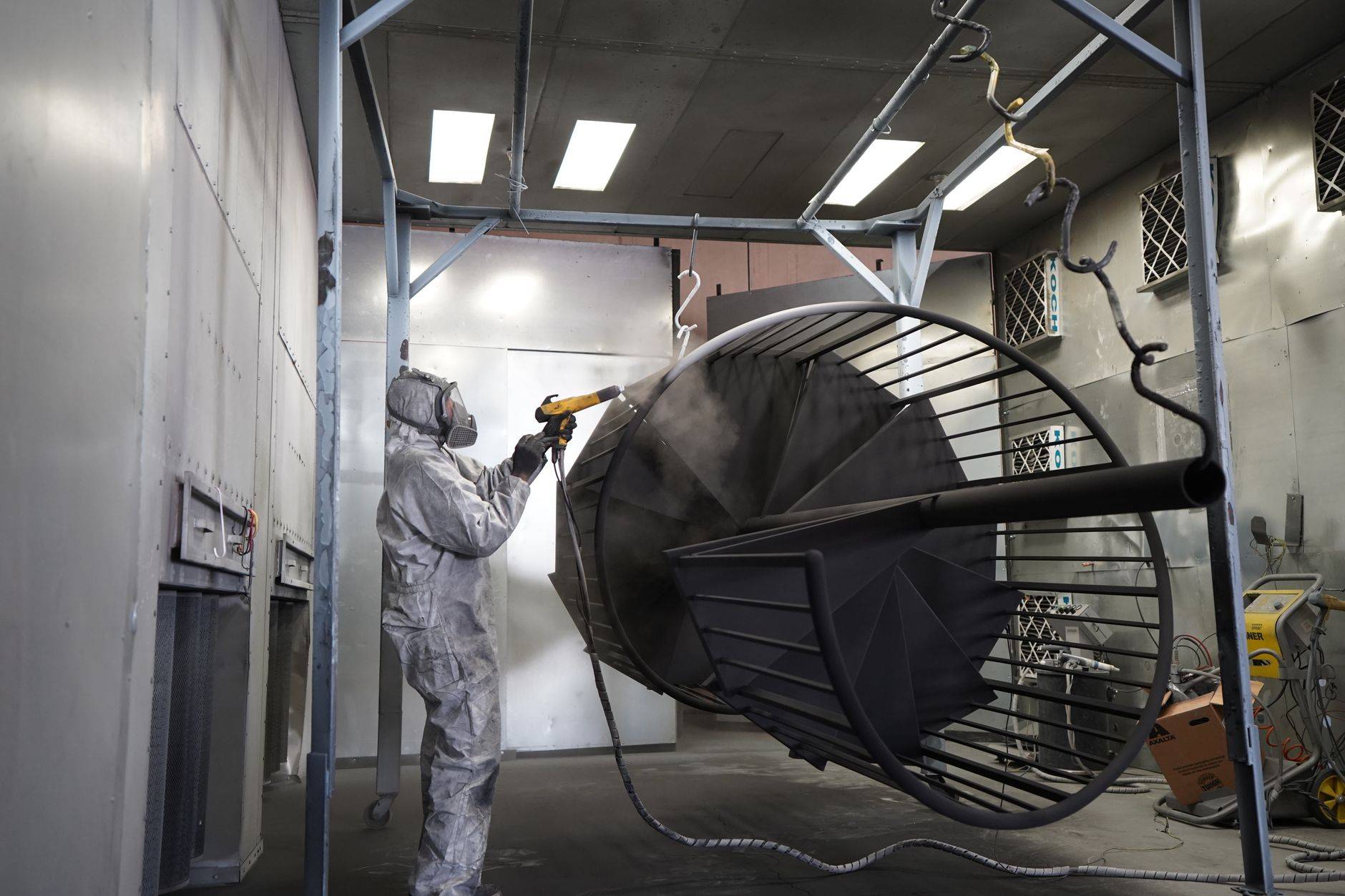
Finishing protects the metal and improves appearance. Common options include powder coating, plating, brushing, and passivation.
Powder coating is the most popular choice for industrial enclosures. Learn more about powder coating technology. It is thick, durable, and available in many colors. Zinc plating protects carbon steel from rust. Brushing and passivation suit stainless steel. Aluminum can be anodized for a hard, attractive surface.
Finish choice affects cost and lead time. It also affects corrosion resistance in the field. Salt spray testing can verify performance against ASTM B117. Your partner should recommend the right finish for your application and document the results.
3.6 Assembly and Inspection
The final step is assembly. Hardware like inserts and rivets gets installed. Components are joined, and complete units are tested. Some projects include wiring preparation and kitting.
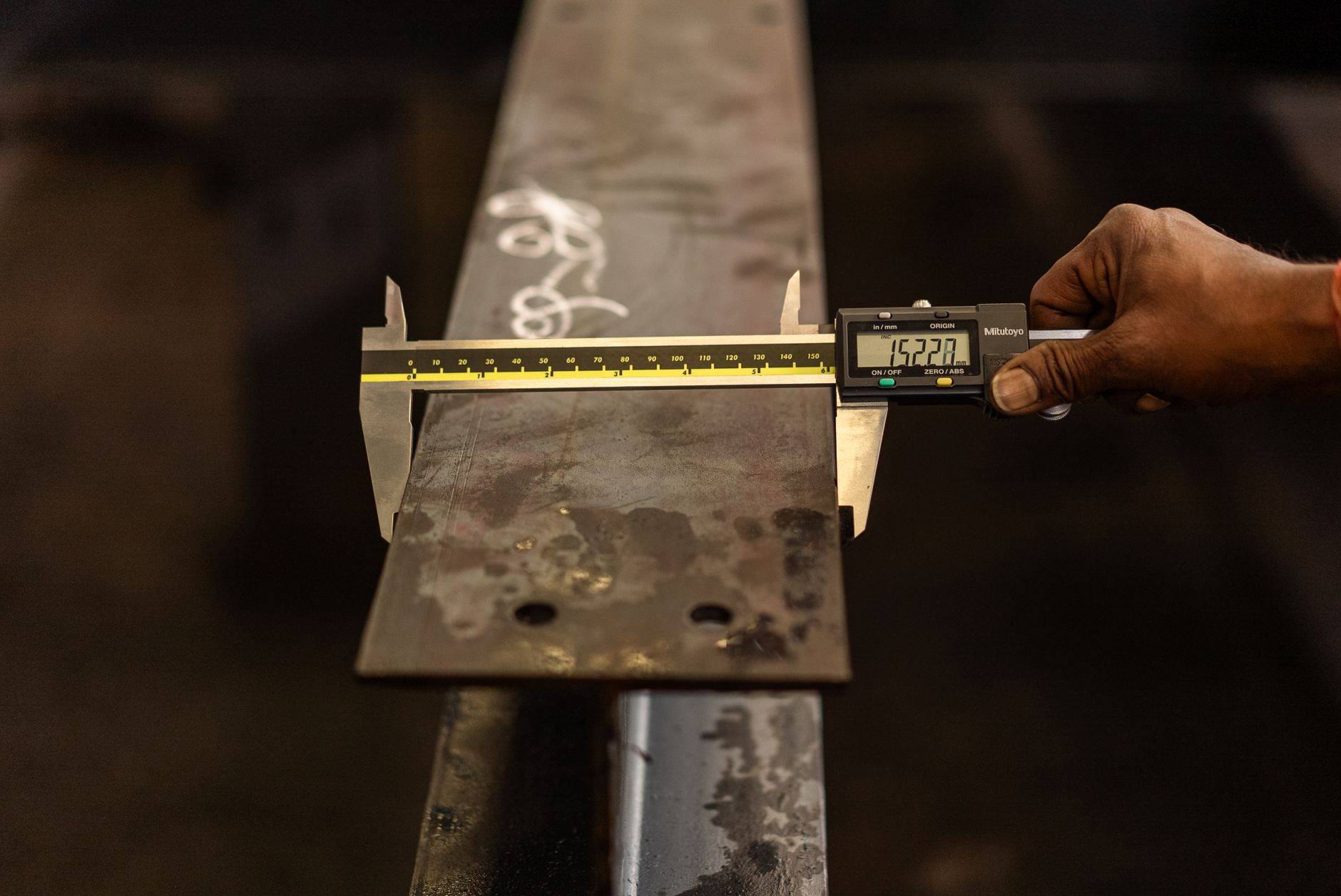
Quality inspection runs through the whole process. First-article inspection verifies the first part. In-process checks catch problems early. Final inspection confirms dimensions, finish, and function. SafeFaber's ISO 9001:2015 certified system covers all of this. Every shipment can include inspection reports, material certificates, and first-article documentation.
4. Common Materials and Selection Guide
Material choice drives performance, cost, and durability. Here are the most common materials in sheet metal manufacturing. A full overview is available on our materials page.
4.1 Carbon Steel
Carbon steel is strong, affordable, and easy to form. SPCC cold-rolled steel is a standard choice for cabinets and enclosures. SGCC galvanized steel adds a zinc coating for better corrosion resistance.
Carbon steel is the default for industrial products that do not face heavy corrosion. It accepts powder coating well. This makes it the backbone of most sheet metal products.
4.2 Stainless Steel
Stainless steel resists corrosion, heat, and chemicals. Grades 304 and 316 are the most common. Grade 316 adds molybdenum for saltwater and chemical environments.
Stainless steel costs more and is harder to form. But it lasts longer in harsh conditions. It suits medical devices, food equipment, and outdoor enclosures.
4.3 Aluminum
Aluminum is light, strong for its weight, and naturally corrosion-resistant. Alloys 5052 and 6061 are common in fabrication. Aluminum suits enclosures that must be portable or wall-mounted.
Aluminum conducts heat well. This helps in electronics and EV applications. It can be anodized for a hard, attractive surface.
4.4 Copper and Brass
Copper and brass are used for electrical parts, terminals, and decorative products. They conduct electricity and heat well. They are more expensive and less common in large enclosures.
Material Selection Table
| Material | Strength | Corrosion Resistance | Cost | Typical Use |
|---|---|---|---|---|
| Carbon steel | High | Moderate (with coating) | Low | Cabinets, racks, frames |
| Stainless steel | High | Excellent | High | Medical, outdoor, chemical |
| Aluminum | Moderate | Good | Medium | Light enclosures, electronics |
| Copper / brass | Moderate | Good | High | Electrical components |
When in doubt, ask your fabricator. A good partner will help you balance cost, weight, and durability. SafeFaber's engineering team provides material guidance during the design review phase. The right material can cut cost by 20 percent or more without hurting performance.
5. Industrial Applications and Typical Products
Sheet metal fabrication serves nearly every industry. Here are the main application areas and the sheet metal products they use. If you store flammable or hazardous materials, review our Flammable Storage Cabinets compliance guide. For facility storage and organization, read our Industrial Storage Cabinets 101 guide.
5.1 Energy Storage and Battery Cabinets
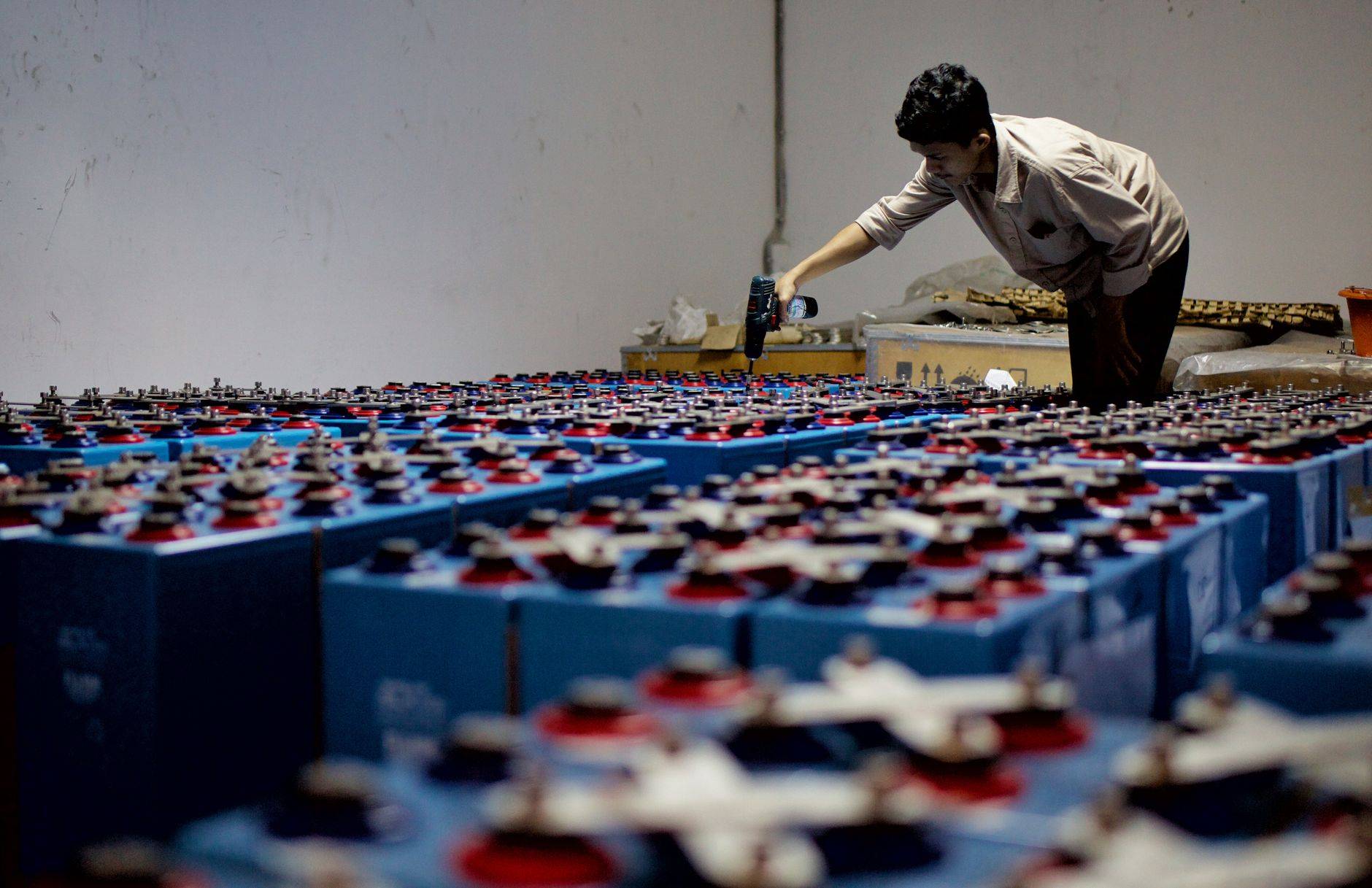
Energy storage systems need strong, ventilated, fire-safe enclosures. Battery cabinets protect cells, manage heat, and contain hazards. They are built to standards like UL 9540A and rated for IP and NEMA protection.
SafeFaber manufactures custom battery cabinets for C&I and utility projects. These include lithium-ion battery cabinets with thermal management, ventilation, and heavy-duty welded frames.
5.2 Data Centers and Server Racks
Data centers run on racks and enclosures. Server racks hold servers, switches, and cables. Rackmount chassis protect individual units. Standards like EIA-310-E define sizes and mounting holes.
Precision matters in this field. Hole positions and spacing must match industry standards exactly. SafeFaber fabricates server rack cabinets and rackmount chassis from high-grade SPCC steel, from 1U to 8U configurations.
5.3 EV Charging Infrastructure
Electric vehicle charging stations need weatherproof, secure enclosures. Charging cabinets protect electronics from rain, dust, heat, and vandalism. Common ratings include IP65, IP66, and IK10.
SafeFaber builds EV charging cabinets with active thermal control and vandal-resistant design. They operate in temperatures from -30°C to +60°C.
5.4 Industrial Control and Electrical Cabinets
Control panels and electrical cabinets house switches, drives, and controllers. They need precise mounting, good cooling, and protection from dust and moisture. IP54 to IP66 ratings are common.
SafeFaber produces control panel enclosures, MCC cabinets, and electrical control cabinets with EMC shielding options.
5.5 Telecom and Outdoor Enclosures
Telecom equipment often lives outdoors. Cabinets must resist rain, UV, and temperature swings. NEMA 4X and IP65 ratings are typical.
SafeFaber also builds outdoor TV enclosures and instrument enclosures for field applications. All of these industrial enclosures start with the same reliable fabrication process and end with export-ready packaging.
6. Benefits of Custom Sheet Metal Fabrication for OEMs
Why do OEMs choose custom metal fabrication instead of off-the-shelf parts? The reasons are practical and financial.
6.1 Design Freedom
Custom fabrication follows your drawings. You control size, shape, material, and features. You are not limited by standard catalog parts. This lets you optimize your product for performance and cost. It also protects your intellectual property, because your design stays unique.
6.2 Cost Efficiency at Scale
Sheet metal parts become cheaper as quantities grow. Tooling costs are low compared to injection molding. Once production stabilizes, per-part costs drop quickly. Volume discounts and material buying power make a certified manufacturer especially competitive.
6.3 Faster Time to Market
Fabrication lead times are short. Prototypes can ship in days, not months. Design changes are cheap because there is little hard tooling. This speed helps you launch products faster than competitors. In fast-moving markets like energy storage and EV charging, weeks saved are real revenue gained.
6.4 Supply Chain Consolidation
One partner can handle cutting, bending, welding, finishing, and assembly. That means fewer vendors, fewer hand-offs, and fewer quality gaps. SafeFaber offers this complete in-house model. One supplier owns quality from start to finish, and one team answers your questions.
6.5 Quality and Traceability
Certified manufacturers document everything. Material certificates, inspection reports, and first-article results give you confidence. For regulated industries, this traceability is essential. You can trace any part back to its material coil and production batch.
7. Key Factors Affecting Fabrication Costs
Quotes vary between suppliers for good reasons. Here are the factors that drive sheet metal fabrication cost.
7.1 Material
Material is often the largest cost item. Stainless steel costs more than carbon steel. Aluminum prices fluctuate with the market. Thicker sheets cost more per part. Material utilization also matters, which is why nested cutting layouts reduce scrap.
7.2 Part Complexity
Complex shapes take more machine time. Tight tolerances require more inspection. Small holes, deep draws, and difficult bends all add cost. Simple designs are always cheaper. A good DFM review often finds 10 to 20 percent savings in the first pass.
7.3 Quantity
Quantity changes the economics completely. Setup time spreads across more parts as volume grows. Prototypes cost more per piece. Production runs cost far less. Ask for tiered pricing at 100, 500, and 1,000 pieces. For a full breakdown of pricing factors, see our guide to custom sheet metal fabrication costs. The right quantity bracket can change the unit price dramatically.
7.4 Finishing and Secondary Operations
Powder coating, plating, and assembly add cost and lead time. Each extra step adds handling. Decide early which finishes your product really needs. Sometimes a brushed finish replaces plating at a lower cost with the same look.
7.5 Tooling and Setup
Most fabrication needs little tooling. Custom dies and fixtures add cost but improve repeatability. For long production runs, tooling pays for itself quickly. Ask your partner to separate tooling cost from part cost in the quotation. This keeps pricing transparent.
The best way to control cost is a good design review. A fabricator that flags expensive features early can save you money. SafeFaber provides free DFM feedback with every quotation, before you commit to anything.
8. How to Choose a Reliable Sheet Metal Fabrication Partner
Choosing the wrong partner is expensive. Here is a practical checklist for evaluating sheet metal fabrication companies. For a step-by-step comparison process, read How to Choose a Custom Sheet Metal Fabrication Partner.
8.1 Verify Certifications
ISO 9001:2015 is the baseline for a quality system. Some markets also need UL, NEMA, or IP documentation. Ask for certificates and proof of compliance. A real certificate is easy to verify; a vague promise is not.
8.2 Check In-House Capabilities
A partner with in-house processes owns quality. If everything is subcontracted, ask who the subcontractors are and how quality is controlled. One-factory operation means shorter lead times and fewer quality issues. SafeFaber keeps cutting, bending, welding, finishing, and assembly under one roof.
8.3 Evaluate DFM Support
Design for Manufacturing review catches problems before production. A good partner reviews your drawings and suggests improvements. This service prevents expensive surprises. Ask for a sample design review of your own drawing before you commit.
8.4 Ask for Documentation
Request material certificates, inspection reports, and sample parts. Real partners provide these without hesitation. Vague answers are a warning sign. If a supplier cannot show how they measure quality, assume they do not measure it.
8.5 Assess Communication and Lead Times
Time zones matter in global sourcing. Ask about response times and project management. A 24-hour quotation response is a good benchmark. Clear communication prevents delays. You want a named engineer, not a black box.
8.6 Consider Global Logistics
International sourcing only works with solid logistics. Ask about export packing, Incoterms, and freight management. SafeFaber manages door-to-door delivery with in-house export and freight documentation. Customs paperwork and delivery tracking are handled for you.
9. OEM Project Workflow: From Inquiry to Delivery
A typical OEM project with SafeFaber follows a clear path. Understanding it helps you prepare and set expectations.
Step 1: Send Your Drawings
Start by sending your drawings and requirements. Formats like DXF, DWG, STEP, and PDF all work. Include quantity, material, finish, and any standards you must meet. The more detail you provide, the more accurate your quotation will be.
Step 2: DFM Review and Quotation
Our engineers review your design for manufacturability. They check bend radii, tolerances, and material choice. You receive DFM feedback and a quotation within 24 hours. Any risks are flagged before production, not after.
Step 3: Prototyping and First Article
Prototypes ship in 5 to 7 business days. The first article is inspected and documented. You approve the sample before production begins. This step removes surprises and locks the quality baseline.
Step 4: Production and Quality Control
Production runs through our ISO-certified system. Laser cutting, CNC bending, welding, and finishing happen in-house. Inspection points catch issues before they reach you. For large programs, PPAP and first-article documentation are available.
Step 5: Finishing, Packaging, and Shipping
Finished parts receive export-grade packaging. We manage freight, customs documentation, and door-to-door delivery. You receive tracking and full documentation with the shipment. From inquiry to delivery, the average project takes 3 to 6 weeks plus transit.
10. Frequently Asked Questions
Q1: What is the difference between sheet metal fabrication and machining?
Fabrication starts with flat sheet metal and shapes it through cutting, bending, and joining. Machining removes material from solid blocks. Fabrication is usually faster and cheaper for thin-walled parts like enclosures.
Q2: What materials can be fabricated?
Common materials include carbon steel, stainless steel, aluminum, copper, and brass. Thickness typically ranges from 0.5 mm to 20 mm. Material choice depends on strength, weight, corrosion, and budget.
Q3: What tolerances can precision sheet metal fabrication hold?
Laser cutting typically holds ±0.05 mm. CNC bending holds ±0.1 mm and ±0.5° on angles. Assembly tolerances follow the drawing. Tighter tolerances are possible but add cost.
Q4: What is the minimum order quantity?
There is no minimum for prototypes. We start from a single piece. Production pricing usually applies from about 100 to 500 pieces, depending on part size.
Q5: How fast is delivery?
Prototypes ship in 5 to 7 business days. Production lead times are typically 3 to 6 weeks plus shipping. Door-to-door freight is managed in-house.
Q6: Do you provide quality documentation?
Yes. Material certificates, inspection reports, first-article documentation, and PPAP support are available for OEM programs.
Q7: Can you help with design if we only have a sketch?
Yes. Our engineers provide DFM guidance from a rough sketch to production-ready drawings. This is a standard part of our custom sheet metal fabrication service.
Q8: What file formats do you accept?
DXF, DWG, STEP, IGES, and PDF are all accepted. We can also work from samples or rough sketches when drawings are not available.
Q9: How can I reduce the cost of my parts?
Simplify geometry, choose standard materials, and order in larger quantities. Ask for DFM feedback before finalizing the design. Small changes, like adjusting a bend radius, can reduce cost significantly.
11. Conclusion and Call to Action
Sheet metal fabrication is the backbone of modern industrial products. It turns flat metal into enclosures, racks, cabinets, and components that power global industry. When you understand the process, materials, and costs, you can source parts with confidence.
The right partner makes everything easier. Look for in-house capabilities, real certifications, honest DFM feedback, and dependable logistics. SafeFaber combines all of these in one ISO-certified facility in China, serving global OEMs with precision and on-time delivery.
If you are planning a custom metal fabrication project, we are ready to help. Send your drawings today and receive a free DFM review and a quotation within 24 hours.