Flammable Storage Cabinets: Compliance, Types & How to Choose the Right One

Flammable Storage Cabinets: Compliance, Types & How to Choose the Right One
Quick answer: Buy a flammable storage cabinet that meets the code applied at your site: OSHA 29 CFR 1910.106 and NFPA 30 in the US, or EN 14470-1 fire-resistance ratings of 30–120 minutes in Europe. Compliant cabinets use 18-gauge double-wall steel with an insulating air gap, self-closing doors and a leak-proof sump at least 2 inches deep, typically capped at 120 gallons capacity.
1. Introduction
Flammable liquids are everywhere in industrial facilities. Paints, solvents, adhesives, and cleaning agents all pose a fire risk when stored improperly. A single mistake can cost millions and endanger lives.
Proper flammable material storage is not optional. It is a legal requirement in most jurisdictions, and it is the foundation of workplace fire safety. Non-compliant storage exposes your facility to fines, insurance problems, and catastrophic accidents.
This guide explains everything safety teams need to know: the standards that apply, the types of flammable storage cabinets available, the safety features that matter, and how to choose the right cabinet. You will also learn how to evaluate suppliers and when custom fabrication is the smart choice.

2. What Are Flammable Storage Cabinets?
A flammable storage cabinet is a fire-rated metal enclosure designed to store flammable and combustible liquids safely. For a primer on the hazards, see flammable liquid on Wikipedia. It contains spills, limits fire spread, and keeps hazardous materials organized and controlled.
The key difference from standard industrial storage cabinets is the construction. Flammable cabinets use double-wall steel with an insulating air gap, fire-rated joints, and special door mechanisms. They are built to delay the spread of fire and give workers time to respond.
Typical construction includes 18-gauge steel bodies, insulating air spaces, and leak-proof sumps. Doors are self-closing and self-latching. Labels identify contents and hazards clearly.
This combination is what makes a cabinet a genuine fireproof cabinet rather than a painted steel box. The same fire-rated principles extend to other hazardous material storage cabinets for corrosives and toxics. If your facility stores both flammable liquids and acids, review our guide to chemical storage cabinets as well.
SafeFaber builds code-compliant flammable storage cabinets with this fire-rated construction, from 18-gauge steel bodies to tested door mechanisms, all produced through in-house sheet metal fabrication.
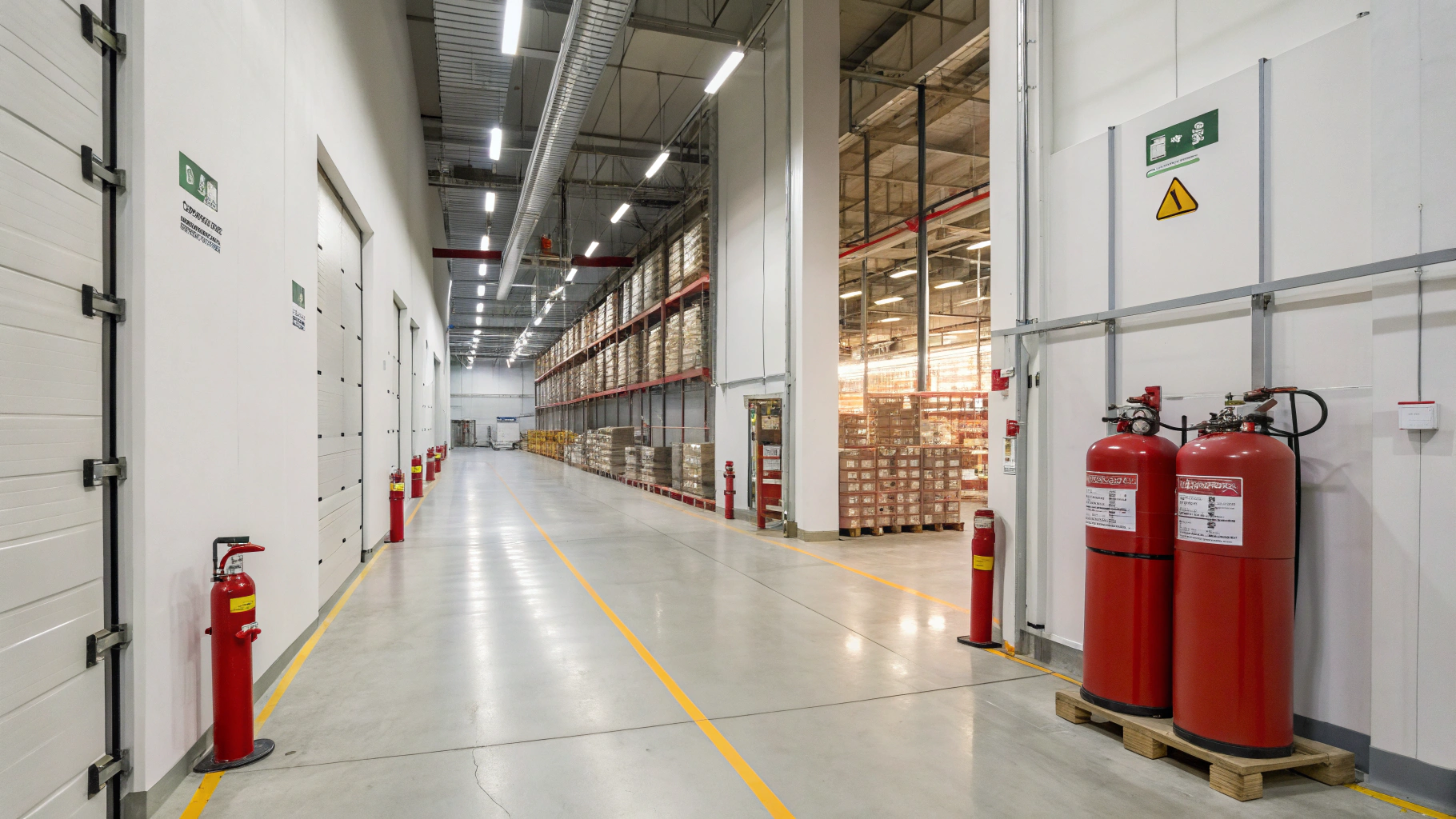
3. Key Compliance Standards & Regulations
Understanding the rules is the first step to compliant storage. These are the standards facility teams encounter most.
3.1 OSHA Requirements
In the United States, OSHA regulates flammable liquid storage. The key rule is 29 CFR 1910.106. It limits how much flammable liquid can be stored outside an approved cabinet, and requires approved cabinets for larger quantities.
OSHA does not test or certify cabinets itself. It accepts cabinets that meet the construction requirements in the standard, including the 18-gauge steel body and the 5-gallon drip tray test. Documentation from the manufacturer should show how the cabinet meets these requirements.
3.2 NFPA 30: Flammable and Combustible Liquids Code
NFPA 30 is the most widely used code for flammable liquid storage; the National Fire Protection Association publishes it and the related code family. It defines cabinet construction, maximum storage quantities, and placement rules.
Key NFPA 30 cabinet requirements include:
- Double-wall steel construction with 1.5-inch insulating air space
- 18-gauge steel for outer and inner walls
- Self-closing, self-latching doors
- Leak-proof sump at least 2 inches deep
- Limited storage capacity per cabinet (typically 120 gallons)
NFPA 30 also requires specific clearances from ignition sources and proper labeling. Local fire codes often adopt NFPA 30 by reference.
3.3 IEC and EN Standards
International buyers follow different frameworks. The IEC 60364 series and European standards such as EN 14470-1 define fire safety cabinets for flammable liquids. EN 14470-1 rates cabinets by fire resistance duration: types 15, 30, 60, 90, and 120 minutes.
EN-rated cabinets are tested in accredited laboratories. The rating reflects how long the cabinet protects contents during a fire. Buyers in Europe, the Middle East, and Asia increasingly specify EN 14470-1 ratings.
3.4 Local Fire Codes and Workplace Requirements
National standards are a baseline; local codes often add requirements. Check with your local fire marshal or authority having jurisdiction (AHJ) before purchase. The AHJ has the final word on what your facility needs.
3.5 Consequences of Non-Compliance
The cost of non-compliance is high. Fines, shutdown orders, and insurance denials follow violations. Worse, an uncontained fire can destroy equipment and endanger employees. Compliance is not paperwork; it is protection.
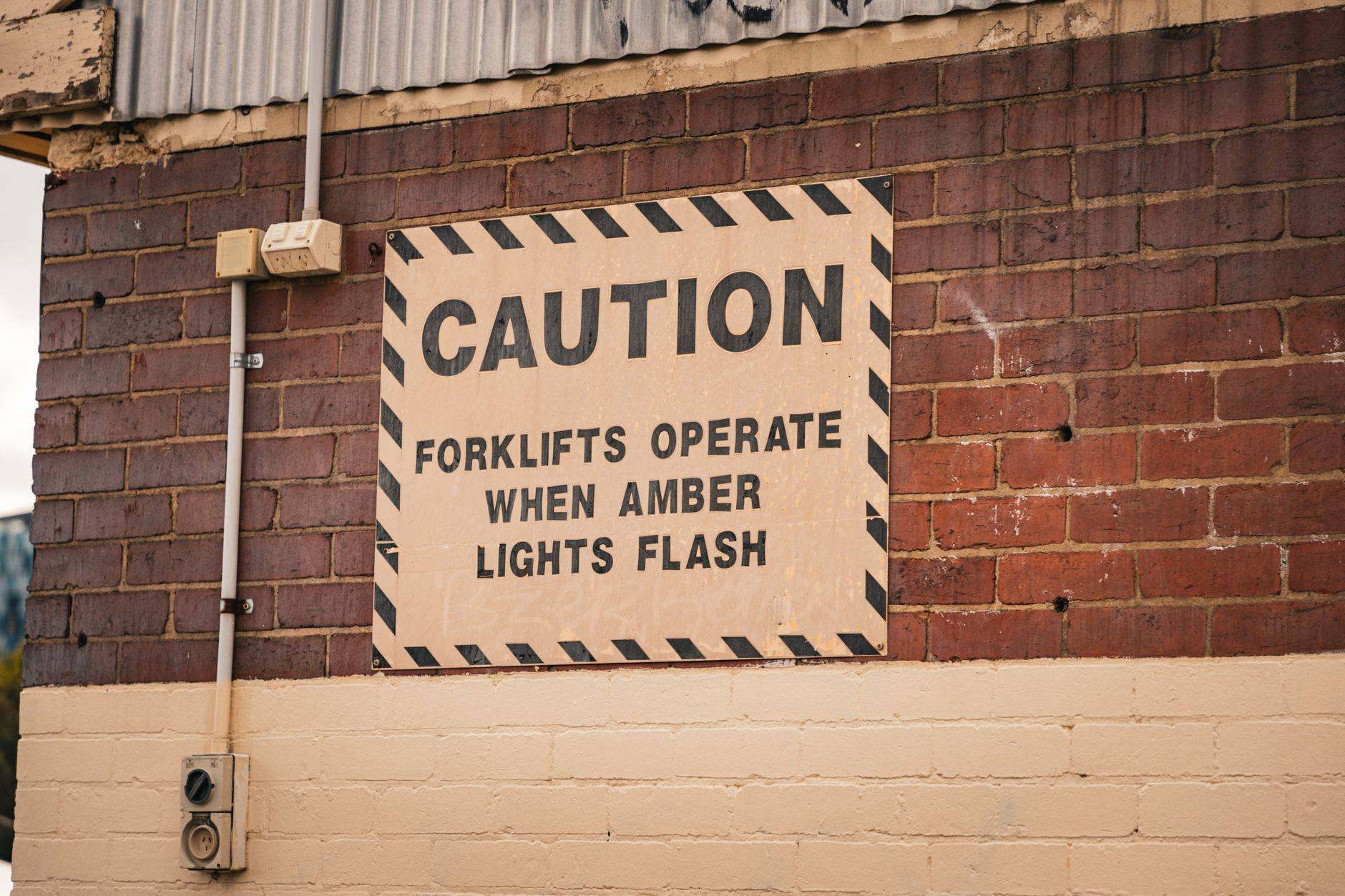
4. Main Types of Flammable Storage Cabinets
Flammable liquid storage cabinets come in many configurations. Choose by fire rating, size, and the material you store.
4.1 By Fire Resistance Rating
- 30-minute rated cabinets: Common for general industrial use; meet NFPA 30 construction requirements. A compliant 30-minute fire cabinet covers most facilities.
- 60-minute and 90-minute rated cabinets: EN 14470-1 ratings for higher-risk environments or stricter local codes.
- 120-minute rated cabinets: For critical applications where extended protection is required.
Higher ratings cost more. Match the rating to your risk assessment and local code, not to the maximum available.
4.2 By Size and Form Factor
- Countertop cabinets: Small units that sit on benches for frequently used solvents.
- Under-bench cabinets: Fit beneath workstations, saving floor space.
- Full-height floor cabinets: The most common type; large capacity for general storage.
- Drum storage cabinets: Tall units that hold 30-gallon and 55-gallon drums safely.
SafeFaber offers all of these configurations with custom sizing available. Explore the wider range of custom metal products for related storage and enclosure solutions.
4.3 By Stored Material
- Flammable liquid cabinets: General purpose for solvents and fuels.
- Paint and ink cabinets: Designed for finishes, thinners, and coatings.
- Aerosol storage cabinets: Perforated shelves and pressure-relief features for aerosols.
- Gas cylinder lockers: Outdoor-rated enclosures for compressed gas cylinders.
Match the cabinet to the material. Storing incompatible materials together can create new hazards.
5. Core Safety & Functional Features
Not all "safety" cabinets are equal. Verify these features before you buy.
5.1 Fire-Rated Wall Construction
Look for double-wall steel with an insulating air gap. The outer and inner walls should be at least 18-gauge. Welded or mechanically fastened joints must maintain the fire barrier.
5.2 Self-Closing, Self-Latching Doors
Doors must close and latch automatically. This protects the contents even when workers forget. Manual-latch cabinets are not acceptable under NFPA 30.
5.3 Spill Containment Sumps
A leak-proof sump at the bottom catches drips and spills. NFPA 30 requires a minimum depth of 2 inches. Deeper sumps hold more and are easier to clean.
5.4 Ventilation and Pressure Relief
Ventilation is optional in many standards but useful for fumes. If you vent, use only the approved vent locations. Aerosol cabinets need pressure-relief features for overpressure events.
5.5 Adjustable, Leak-Proof Shelves
Shelves should adjust to fit different container sizes. Perforated shelves allow airflow and liquid drainage in aerosol cabinets. Edges should contain small spills.
5.6 Grounding Connections
Flammable liquids generate static electricity. Cabinet grounding lugs and bonding points reduce static ignition risk. Confirm the cabinet includes grounding hardware.
5.7 Warning Labels and Color Coding
Red cabinets with visible labels identify flammable contents. Labels should state the hazard class and storage rules. Color coding helps workers find the right cabinet fast.
6. How to Choose the Right Flammable Storage Cabinet
Follow these six steps to make a compliant, practical choice.
Step 1: Assess Your Materials
List every flammable liquid you store. Record the type, container size, and quantity. Check flash points and compatibility. This inventory drives every other decision.
Step 2: Match the Fire Rating
Use your risk assessment and local code to set the rating. NFPA 30-compliant 30-minute construction covers most facilities. EN 14470-1 ratings apply in Europe and some international projects.
Step 3: Choose Size and Configuration
Add up your storage volume, then choose the form factor: countertop, under-bench, floor, or drum. Allow room for future growth. An overfilled cabinet is a compliance violation.
Step 4: Verify Local Compliance
Confirm your selection with the AHJ. Ask specifically about capacity limits, placement, and venting rules in your jurisdiction.
Step 5: Evaluate Build Quality
Inspect the steel gauge, welds, door mechanism, and sump. Ask for material certificates and test documentation. Quality shows in the details.
Check welds at joints and corners. Confirm that doors align and latch cleanly. Request the steel gauge certificate and the sump test report. These documents are your proof of compliance if an inspector ever asks.
Step 6: Plan the Layout
Measure door swings and aisle widths. Keep cabinets away from heat sources and exits. Confirm the floor can support the loaded weight.

7. Installation, Use & Maintenance Best Practices
A good cabinet fails if it is installed or used wrong.
7.1 Placement
Keep cabinets away from ignition sources and exits. Do not block them with equipment. Maintain the clearances required by your local code.
7.2 Loading Rules
Do not exceed the rated capacity. Store compatible materials together. Keep containers sealed and labeled. Never store cardboard or rags inside flammable cabinets.
7.3 Inspection and Maintenance
Check doors, latches, and hinges monthly. Inspect sumps for residue. Test grounding connections annually. Replace damaged cabinets immediately.
7.4 Employee Training
Train workers on loading rules, spill response, and emergency procedures. Post usage rules beside each cabinet. Regular refresher training prevents bad habits.
8. Standard vs Custom Flammable Storage Cabinets
8.1 When Standard Cabinets Work
Standard cabinets are fine for common sizes and typical layouts. They ship faster and cost less per unit. If your needs match the catalog, standard is the efficient choice.
8.2 When Custom Is Better
Custom cabinets win when space is tight, volumes are unusual, or the layout is complex. Odd widths, special interior configurations, and integrated features all point to custom fabrication.
SafeFaber's custom engineering team designs flammable cabinets around your facility: specific dimensions, interior layouts, fire ratings, and accessories, all built in-house with documented quality.
8.3 Customization Options
- Custom dimensions and capacities
- Interior shelf and sump configurations
- Fire ratings from 30 to 120 minutes
- Color coding and labeling packages
- Integrated grounding and venting kits
- Drum and cylinder configurations
9. How to Find a Reliable Flammable Cabinet Supplier
9.1 Certifications and Documentation
Demand compliance documentation: material certificates, construction specs, and test reports. Ask which standards the cabinet meets and how it was verified.
9.2 Manufacturing Quality
Visit or request a video tour of the factory. Check steel handling, welding, and finishing processes. In-house fabrication means consistent quality control.
9.3 Custom Engineering Capability
Your facility will not always fit a catalog. Choose a supplier that can engineer to your drawings and standards, like SafeFaber's custom sheet metal fabrication team.
9.4 Global Delivery and Support
Confirm export packing, freight handling, and after-sales support. SafeFaber ships worldwide with managed door-to-door delivery and responsive project support.

10. Frequently Asked Questions
Q1: Do flammable storage cabinets need to be grounded?
Yes, in most cases. Static electricity can ignite flammable vapors. Connect the cabinet's grounding lug to your facility ground, especially when dispensing liquids.
Q2: Can I store different flammable liquids together?
Only if they are compatible. Keep oxidizers separate from flammable liquids. Check safety data sheets for compatibility before combining materials.
Q3: How long do flammable storage cabinets last?
A quality cabinet lasts 15-25 years with proper maintenance. Inspect doors, latches, and sumps regularly. Replace any cabinet with fire damage.
Q4: Do flammable cabinets need to be vented?
Venting is optional under NFPA 30 but may be required by local codes. If you vent, use the manufacturer's approved vent locations only.
Q5: What is the maximum capacity?
NFPA 30 limits flammable liquid storage cabinets to 120 gallons (about 454 liters) unless local codes allow more. Always confirm with your AHJ.
Q6: Do you ship internationally?
Yes. Cabinets are export-packed and shipped door to door worldwide, with customs documentation managed in-house.
Q7: Can you build cabinets to meet EN 14470-1 ratings?
Yes. SafeFaber builds cabinets to the fire-resistance rating your project requires, with supporting documentation.
11. Conclusion & Call to Action
Flammable storage is a responsibility, not a formality. Choose compliant cabinets, install them correctly, and maintain them faithfully. Your workers and your business depend on it.
SafeFaber builds code-compliant flammable storage cabinets and industrial safety enclosures for global clients, with custom sizing, fire-rated construction, in-house fabrication, strict quality control, and worldwide on-time delivery.
Share your facility requirements with us for a custom solution and a compliance review. Our engineers will confirm the right rating, size, and configuration for your site.