Industrial Storage Cabinets 101: Types, Materials & Buying Guide for Industrial Facilities
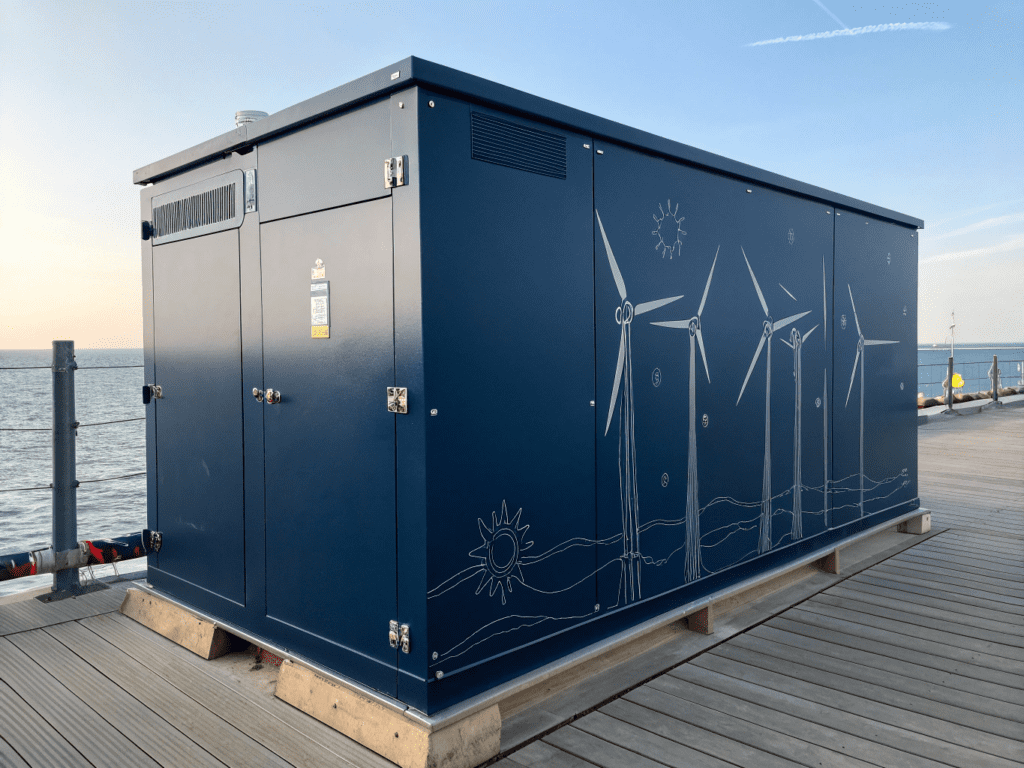
Industrial Storage Cabinets 101: Types, Materials & Buying Guide for Industrial Facilities
Quick answer: Choose industrial storage cabinets by steel thickness, load rating and construction, not price. 1.0–1.5 mm steel suits general storage; 1.5–2.0 mm steel suits heavy-duty tool and die storage. Common sizes run 36-inch bench to 72-inch full-height units, 24–48 inches wide, with typical heavy-duty cabinets rated 400–800 pounds total and shelves at 150–300 pounds each. Add a safety margin above your heaviest load.
1. Introduction
Industrial storage cabinets hold the tools, parts, and supplies that keep facilities running. They protect valuable assets, organize work areas, and keep safety-critical items within reach. Yet many buyers choose cabinets based on price alone, then pay for it later.
This guide covers everything you need to know before you buy. It explains the types of industrial storage cabinets, the materials they are made from, and the features that matter most. It also shows how to compare suppliers and decide between standard and custom designs.
If you manage a factory, warehouse, or maintenance shop, this article is for you. By the end, you will know exactly what to specify when you request a quote, and what questions to ask suppliers before you commit.

2. What Are Industrial Storage Cabinets?
Industrial storage cabinets are heavy-duty metal enclosures built for tough working environments. Unlike office furniture, they are designed to carry heavy loads, resist impact, and last for decades.
Most are made from cold-rolled or galvanized steel. They come with doors, drawers, shelves, or a combination of these. Sizes range from compact wall units to large cabinets that hold entire tool cribs. New to how these are built? Start with What Is Sheet Metal Fabrication?.
The key difference from consumer cabinets is construction. Industrial cabinets use thicker steel, reinforced frames, and heavy-duty hinges. They are rated for specific load capacities, which is critical in a working facility.
Construction quality shows in the details. Welded corners stay square under load. Full-welded seams resist sagging. Double-wall doors stay flat. Powder coating bonds to a prepared surface instead of peeling off later. These details separate a 5-year cabinet from a 25-year cabinet.
Most industrial cabinets follow common heights: 36-inch bench units, 72-inch full-height units, and custom sizes in between. Widths range from 24 to 48 inches. Depth follows the stored items, not the other way around.
SafeFaber manufactures industrial storage cabinets with this standard of build quality: welded frames, certified materials, and tested hardware. For global industrial clients, this level of construction reduces replacement cost and downtime.
3. Main Types of Industrial Storage Cabinets
Different jobs need different cabinets. SafeFaber builds six main families of industrial storage cabinets, each engineered for a specific kind of content and environment.
3.1 Heavy-Duty Industrial Cabinets & Enclosures
Heavy duty industrial cabinets are the workhorses of industrial facilities. They carry tools, dies, spare parts, and equipment. Frames use thicker steel, and reinforced doors handle daily abuse.
SafeFaber's heavy duty industrial cabinets and enclosures come with welded frames, adjustable shelving, and powder-coated finishes that resist scratches and chemicals.
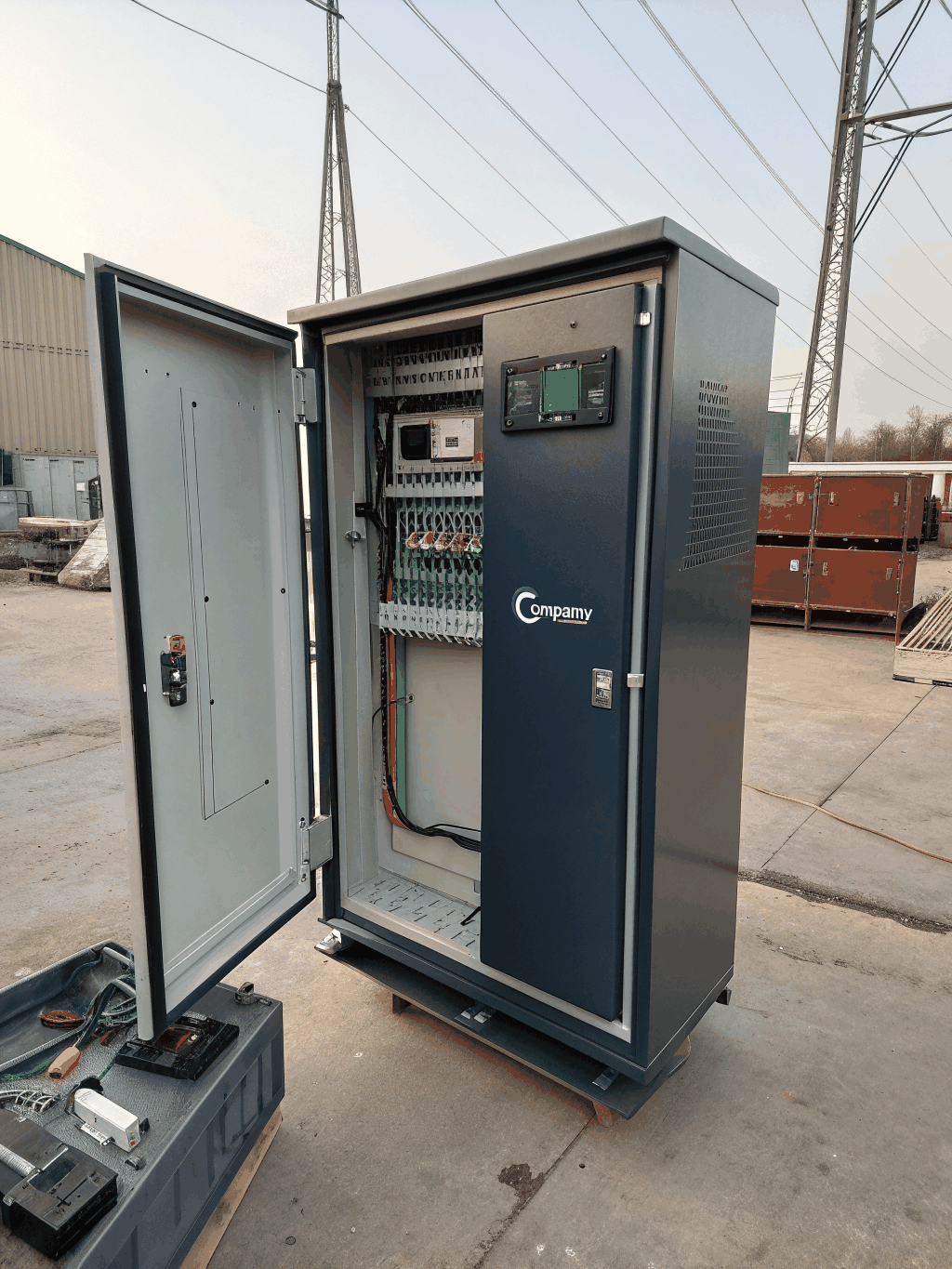
3.2 Battery & Energy Storage Cabinets
Battery cabinets store and charge batteries safely. They include ventilation, thermal management, and fire-resistant construction. Energy storage enclosures follow standards like UL 9540A.
SafeFaber builds battery cabinets and energy storage cabinets for C&I and utility projects worldwide.
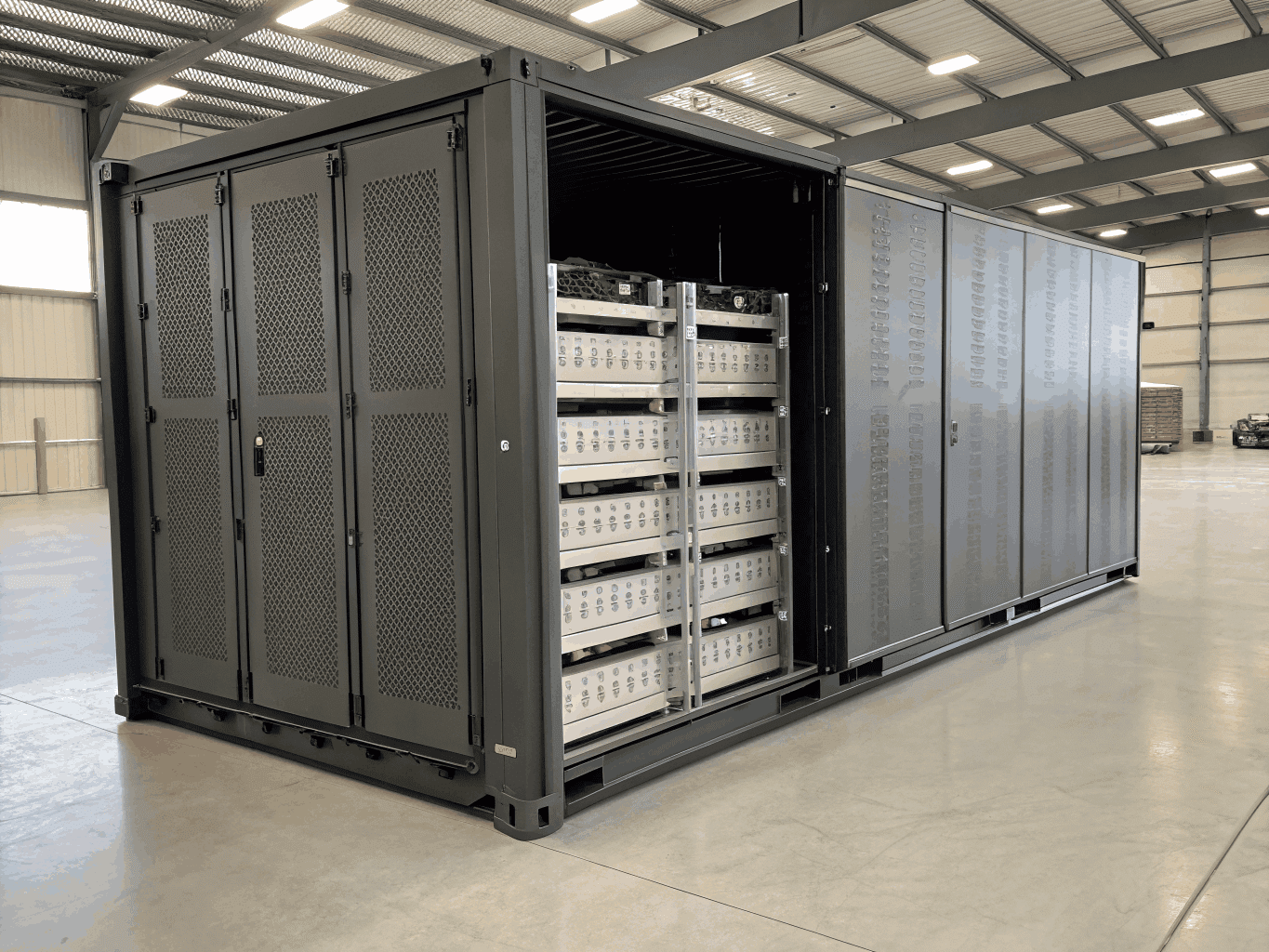
3.3 Safety Cabinets: Chemical, Flammable & Fireproof
Safety cabinets contain hazardous materials and meet code requirements. Chemical storage cabinets manage corrosive liquids. Flammable cabinets protect against fire. Fireproof filing cabinets guard documents.
SafeFaber produces chemical storage cabinets, flammable cabinets, and fireproof filing cabinets built to industry standards. Dive deeper with our Flammable Storage Cabinets compliance guide.
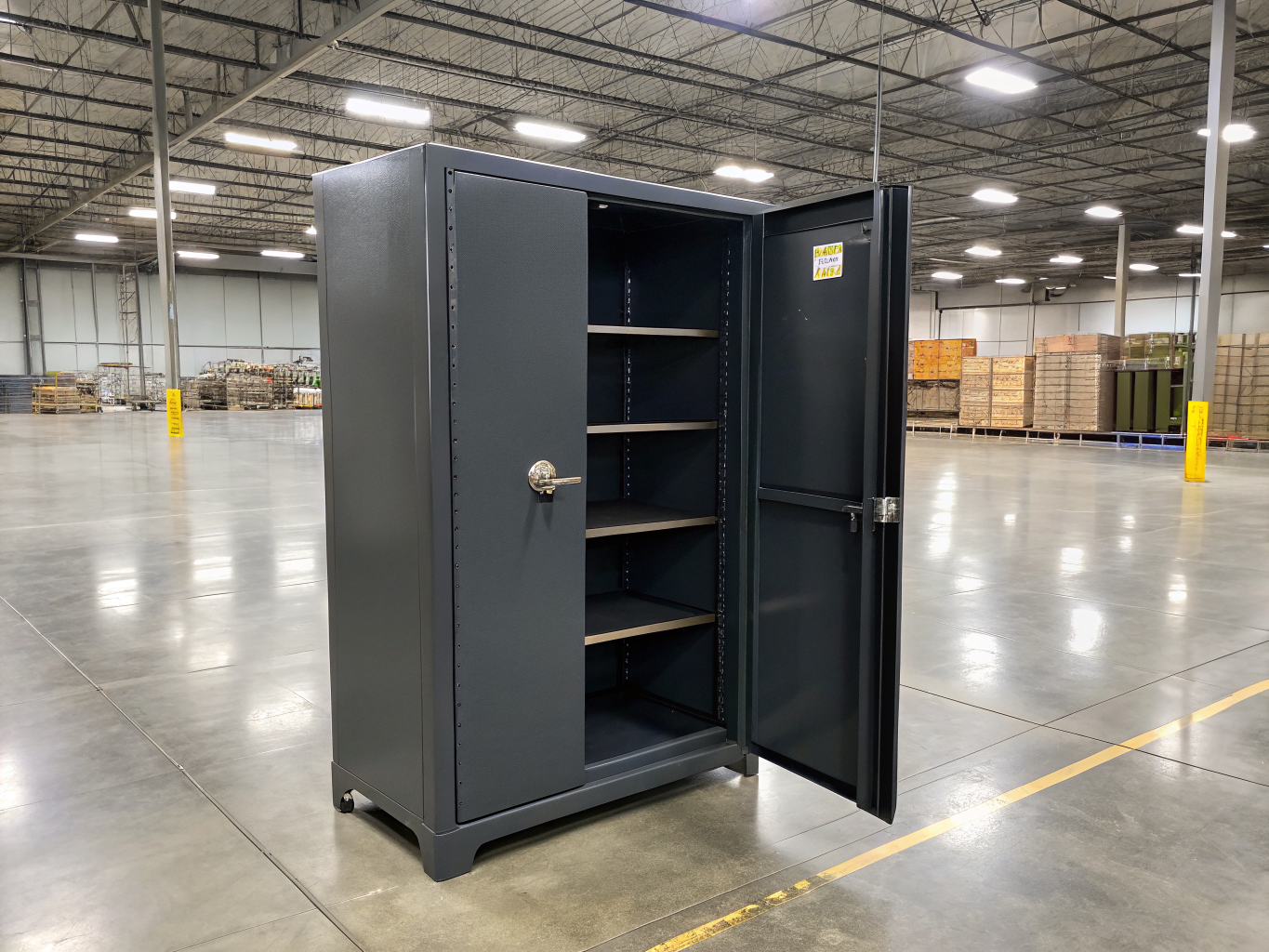
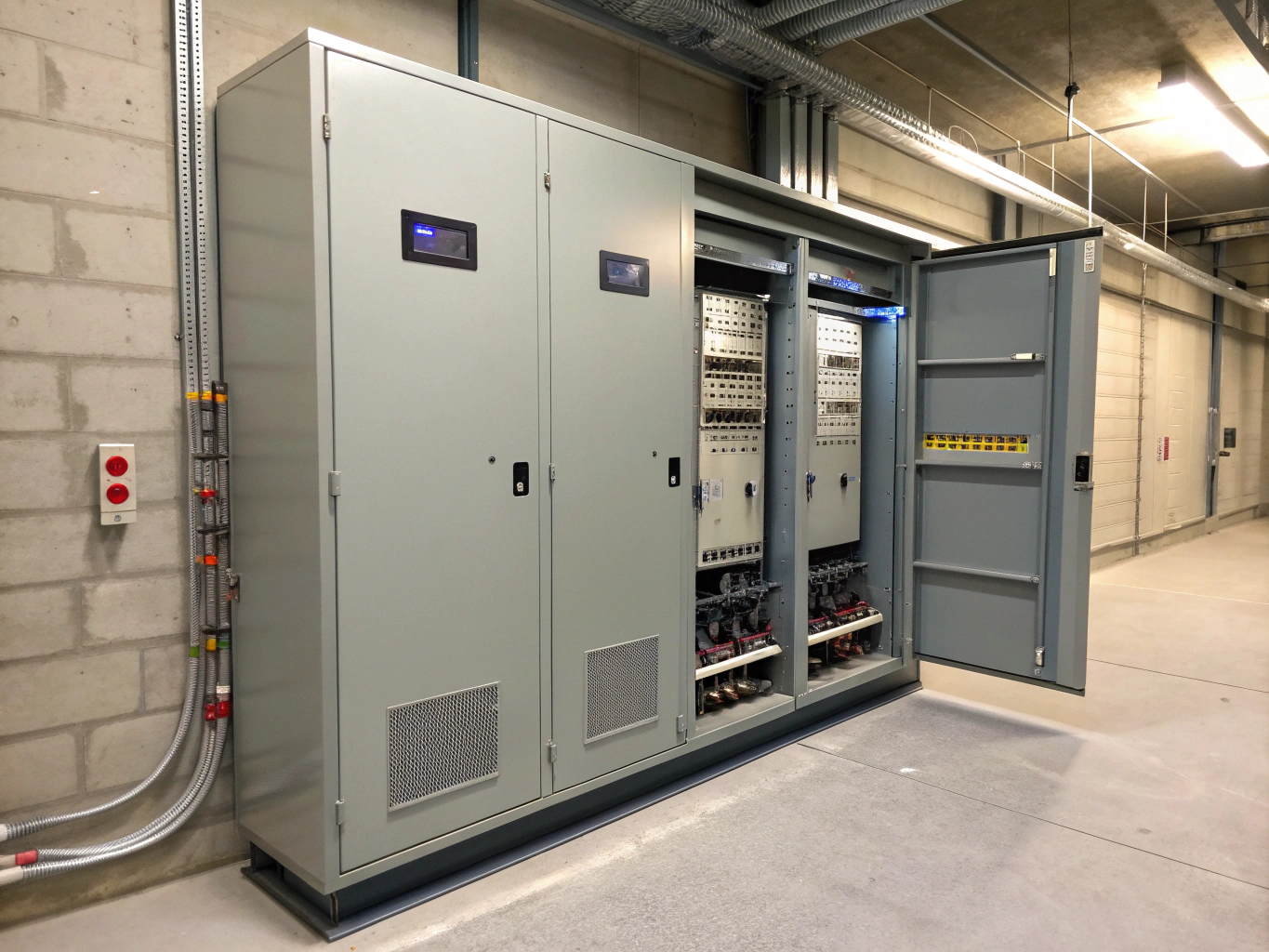
3.4 Electrical Control Cabinets
Electrical cabinets house switchgear, drives, and controllers. They need precise mounting, cooling, and EMC shielding. IP54 to IP66 ratings are typical (see the IP code system for rating definitions).
SafeFaber manufactures electrical control cabinets, control panel enclosures, MCC cabinets, and power distribution cabinets.
3.5 Data Center & Server Cabinets
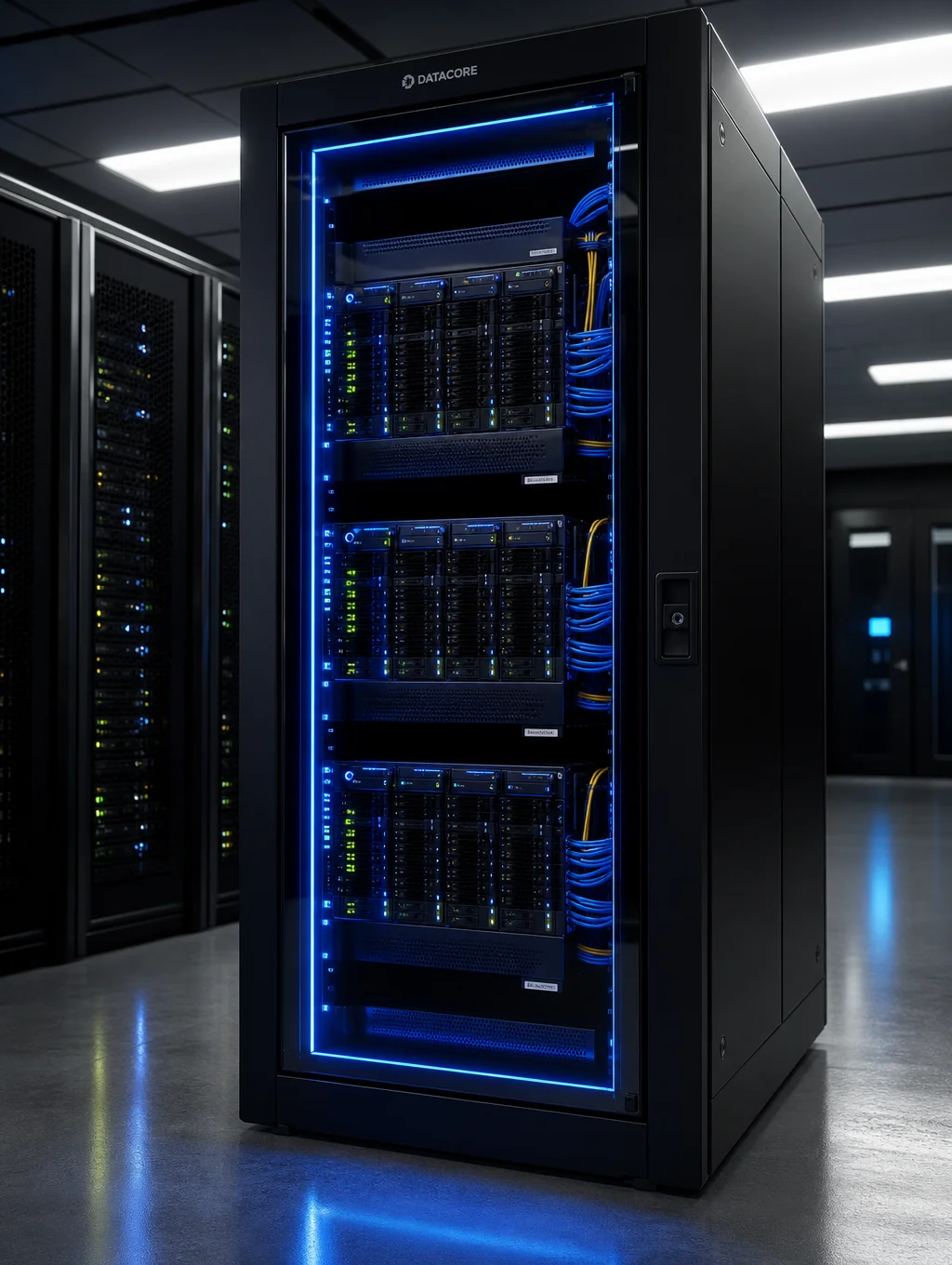
Data centers depend on racks built to EIA-310-E standards. Server rack cabinets hold servers and switches. Rackmount chassis protect individual units.
SafeFaber fabricates server rack cabinets and rackmount server chassis from high-grade steel.
3.6 Telecom & Outdoor Enclosures
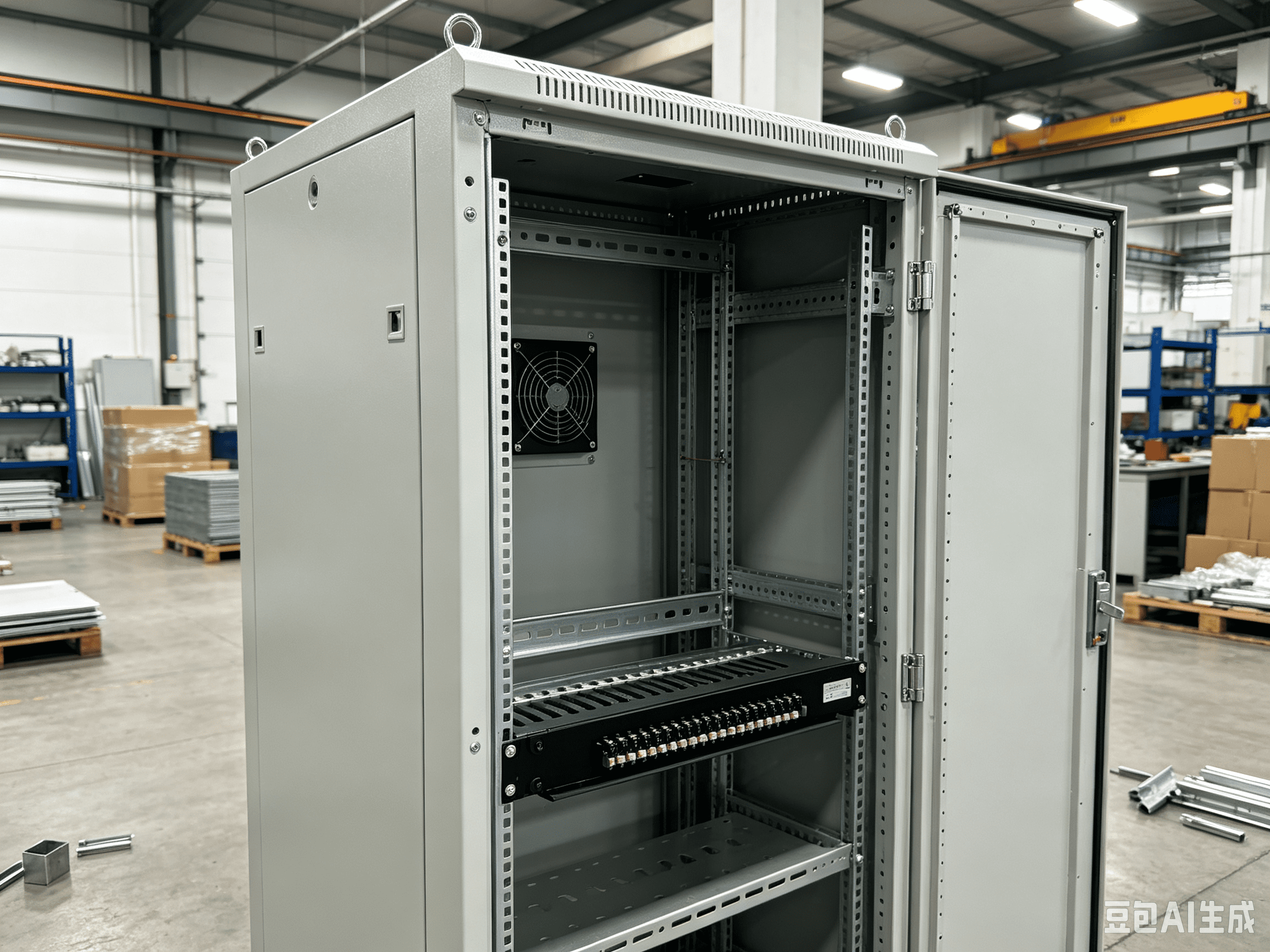
Outdoor equipment needs weatherproof, secure enclosures. Telecom cabinets, instrument enclosures, and outdoor TV enclosures resist rain, dust, and temperature swings. NEMA 4X and IP65 ratings are typical.
SafeFaber builds telecom cabinets, outdoor TV enclosures, instrument enclosures, and EV charging cabinets for field applications.
4. Common Materials & Their Best Use Cases
Material choice determines strength, corrosion resistance, and price. Here is how the common options compare.
4.1 Carbon Steel
Carbon steel is the standard for industrial cabinets. SPCC cold-rolled steel is strong, affordable, and easy to form. With powder coating, it resists rust and wear.
Gauge thickness matters. Cabinets made from 1.0-1.5 mm steel suit general storage. Heavier 1.5-2.0 mm steel suits heavy duty storage cabinets that carry tools and dies. Thicker steel costs more but resists denting in busy aisles. Across the market, industrial metal cabinets built from thinner gauge steel are the ones that fail first in real facilities.
Use carbon steel for general storage in dry indoor environments. It offers the best value for most applications.
4.2 Stainless Steel
Stainless steel resists corrosion, moisture, and chemicals. Grades 304 and 316 are common. It is the right choice for food plants, labs, and coastal facilities.
Stainless costs more but lasts longer in harsh conditions. It also looks clean, which matters in regulated environments.
4.3 Galvanized Steel
Galvanized steel carries a zinc coating for corrosion protection. SGCC galvanized cabinets suit humid or outdoor storage areas where paint could chip.
Galvanized steel is a good middle option between carbon steel and stainless.
Material Comparison Table
| Material | Strength | Corrosion Resistance | Cost | Best Use |
|---|---|---|---|---|
| Carbon steel | High | Moderate (coated) | Low | General industrial storage |
| Stainless steel | High | Excellent | High | Food, lab, chemical, coastal |
| Galvanized steel | High | Good | Medium | Humid, outdoor, budget |
Sheet metal fabrication quality decides how well any material performs. Welds, bends, and edge treatment all affect cabinet life. SafeFaber's in-house sheet metal fabrication keeps these steps under one certified roof.
5. Key Features to Look for in Industrial Storage Cabinets
5.1 Load Ratings Explained
Load ratings are the single most important spec. A rating includes two numbers: capacity per shelf and capacity per cabinet. The cabinet rating is usually not the sum of all shelves; it reflects the frame strength.
Always add a safety margin. If your heaviest shelf load is 150 pounds, buy a cabinet rated for 200 pounds per shelf. Margins absorb impact loads from dropping items and uneven weight distribution.
- Load rating: Know the weight per shelf and per cabinet. Match it to your heaviest items.
- Frame and door construction: Welded frames and reinforced doors survive daily abuse.
- Locking system: Padlock hasps, cylinder locks, or keyed alike options for controlled access.
- Finish quality: Powder coating resists scratches and chemicals. Check for even coverage.
- Drawer slides: Full-extension, ball-bearing slides handle heavy use.
- Ventilation: Needed for battery and chemical storage to prevent fume buildup.
- Adjustability: Adjustable shelves and dividers extend cabinet usefulness.
- Documentation: Material certificates and test reports confirm the rating you paid for.
5.2 Finish and Hardware Quality
Powder coating is the finish of choice. It resists scratches, chemicals, and moisture far better than liquid paint. Check that edges and welded corners are covered too, not just flat panels.
Hardware is where cheap cabinets fail first. Look for heavy-duty hinges with reinforcement plates, ball-bearing drawer slides rated for daily use, and locks that do not jam. Ask the supplier what hardware brand they use. A known brand is a good sign.
6. Typical Applications Across Industrial Facilities
Industrial storage cabinets appear in every part of a facility. From automotive plants to energy facilities, storage needs vary by sector — learn more about the industries we serve.
- Manufacturing plants: Store tools, dies, fixtures, and WIP parts near the line.
- Warehouses: Organize fasteners, consumables, and maintenance spares.
- Maintenance shops: Keep hand tools, power tools, and repair parts locked and sorted.
- Laboratories: Stainless cabinets store chemicals, samples, and instruments.
- Data centers: Secure cabinets hold spare components and tools.
- Energy facilities: Battery cabinets and heavy duty racks support storage systems.
SafeFaber also builds battery cabinets and chemical storage cabinets for facilities that need code-compliant specialty storage.
6.1 Storage Cabinet Layout Planning
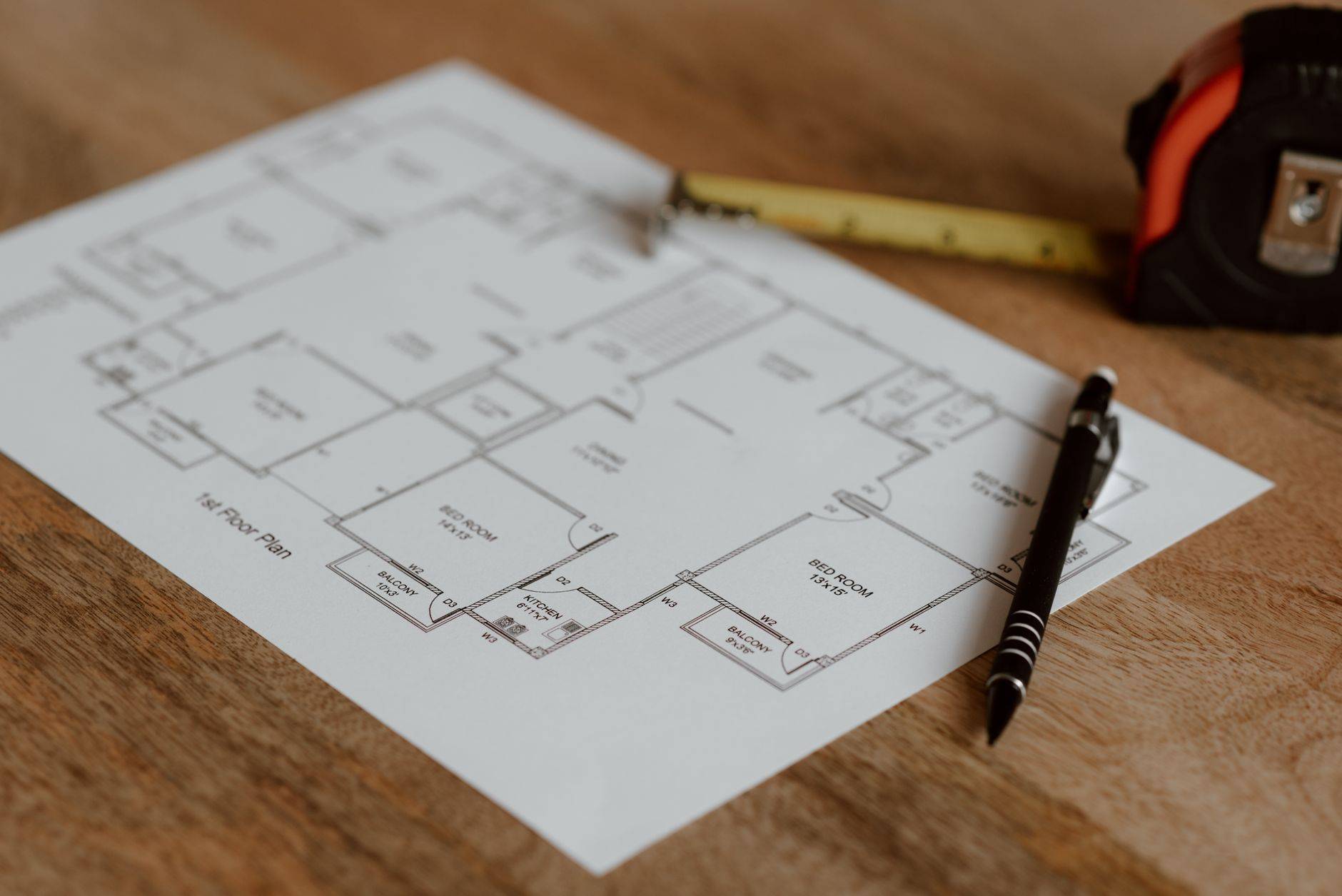
Layout planning prevents wasted space. Walk your aisles and measure the real clearance. Note door swings, fork truck routes, and fire extinguisher access. Cabinets should not block safety equipment.
Plan for growth. Buy cabinet systems that can be extended later with matching units. Standard widths and consistent depths make future expansion simple.
7. How to Choose the Right Industrial Storage Cabinets
Follow these steps to make a confident buying decision.
- List your items: Measure the largest item and the heaviest item you will store.
- Set a load budget: Total weight per cabinet and per shelf, with a safety margin.
- Choose the type: Drawers for small parts, doors for bulk, mobile for movement.
- Select the material: Match corrosion resistance to your environment.
- Check the environment: Humidity, chemicals, and temperature affect material choice.
- Plan the layout: Door swing, aisle width, and floor space all matter.
- Set security needs: Locks, restricted access, or key control.
- Compare total cost: Include freight, installation, and expected service life.
7.1 Total Cost of Ownership
Compare total cost, not just purchase price. Include freight, installation, and expected service life. A cheaper cabinet that fails in three years costs more than a quality unit that lasts fifteen.
Also consider downtime. When a cabinet fails, the contents are exposed to dust and loss. For critical tools and parts, quality hardware pays for itself quickly.
8. Custom vs Standard Industrial Cabinets: Which Is Better?
Standard cabinets are faster to buy and usually cheaper per unit. They work when your dimensions and requirements fit common sizes.
Custom industrial cabinets win when your needs are specific. Non-standard dimensions, special cutouts, custom locking, unique finishes, or integrated features all point to customization.
8.1 Standard vs Custom: Quick Comparison
| Factor | Standard Cabinets | Custom Cabinets |
|---|---|---|
| Lead time | Faster (in stock) | 3-6 weeks typical |
| Unit cost | Lower at 1-10 units | Lower at volume |
| Fit | Catalog sizes only | Exact dimensions |
| Features | Fixed options | Any feature, any layout |
| Expansion | Match same catalog line | Match any existing system |
| Codes | May not fit special codes | Built to your standards |
8.2 When Custom Is the Smart Choice
Choose custom when you need odd dimensions, integrated security, or code compliance. Choose custom when you are expanding an existing system. Choose custom when standard cabinets waste more space than they save. Wondering about pricing? See our guide to custom sheet metal fabrication costs.
SafeFaber specializes in custom industrial cabinets built to your drawings, with custom sizing, materials, and features. You get exactly the cabinet you need, not the closest catalog match.
9. How to Find a Reliable Industrial Cabinet Supplier
A good supplier matters more than the cabinet itself. Use this checklist. Facility teams also compare experiences on r/AskEngineers.
- In-house fabrication: Cutting, bending, welding, and finishing under one roof means consistent quality.
- Certifications: ISO 9001:2015 shows a working quality system.
- Custom capability: Can they build to your drawings, not just sell catalog items?
- Documentation: Material certificates and inspection reports on request.
- Communication: Clear responses and a named contact for your project.
- Delivery record: Ask about on-time shipping and how they manage international freight.
9.1 Red Flags to Watch For
Avoid suppliers who cannot show their factory, who quote without asking about your application, or who refuse to provide load test documentation. Vague answers about steel gauge, weld quality, or finish standards are warning signs.
Ask for reference photos and customer examples in your industry. A supplier who has built cabinets for manufacturing plants understands the real requirements.
10. Frequently Asked Questions
Q1: What is the weight capacity of industrial storage cabinets?
It depends on size and construction. A typical heavy duty cabinet holds 400-800 pounds total, with shelves rated at 150-300 pounds each. Confirm the rating with the supplier before loading.
Q2: Steel or stainless steel — which should I choose?
Use carbon steel with powder coating for dry indoor areas. Use stainless steel for food, lab, chemical, or coastal environments. Galvanized steel is a cost-effective middle option for humid areas.
Q3: Can cabinets be built to custom dimensions?
Yes. Many suppliers, including SafeFaber, build custom industrial cabinets to your exact drawings, including odd sizes and special features.
Q4: What is the lead time for custom cabinets?
Typical lead times are 3-6 weeks for production, plus shipping. Prototypes or samples can ship in days. Confirm timelines at the quotation stage.
Q5: Do you provide quality documentation?
Yes. Material certificates, inspection reports, and first-article documentation are available for industrial programs.
Q6: Can you match an existing storage system?
Yes. We can match color, dimensions, locking style, and layout to extend your current system.
Q7: How should I maintain steel cabinets?
Keep them clean and dry. Touch up scratches on powder coating promptly. Lubricate hinges and slides annually. Check locks for wear.
Q8: Do you ship internationally?
Yes. Cabinets are export-packed and shipped door to door worldwide. Freight, customs documentation, and tracking are managed in-house.
Q9: Can you match existing cabinet colors and locks?
Yes. We match RAL colors, lock types, and keying systems to extend your current storage setup seamlessly.
Q10: What drawings do you need for a custom quote?
DXF, DWG, STEP, or PDF files with dimensions work best. If you do not have drawings, our engineers can work from measurements and photos.
11. Conclusion & Call to Action
Industrial storage cabinets are a long-term investment in facility productivity and safety. Choose the right type, material, and features, and they will serve your team for decades. Choose poorly, and you pay twice.
SafeFaber builds heavy-duty industrial storage cabinets and custom metal enclosures for global industrial clients, with full customization, in-house fabrication, strict quality control, and worldwide on-time delivery.
Need cabinets that fit your facility exactly? Send your drawings and requirements for a free consultation and quotation within 24 hours.