ISO 9001 vs IATF 16949 for OEM Suppliers
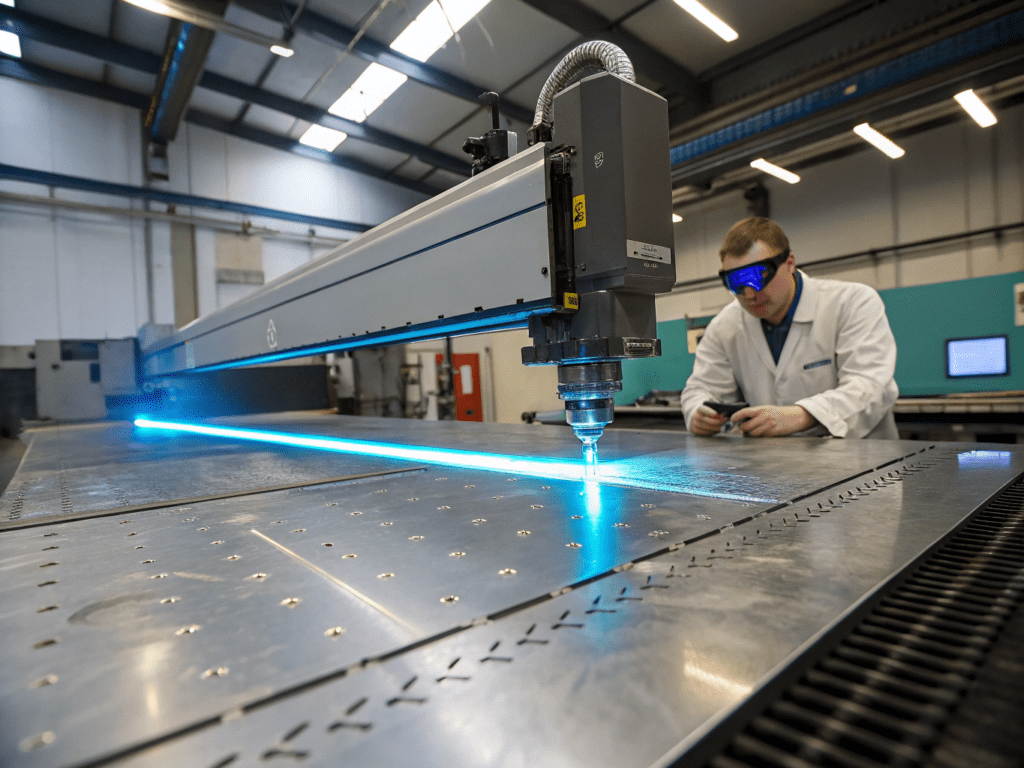
ISO 9001 and IATF 16949: What Each One Covers
Quick answer: ISO 9001:2015 is a quality management system standard, not a product certification. A certificate means a supplier's processes, records and controls have been audited against that standard — not that any part they make is approved or tested. Verify the issuer, number, scope and validity first, then audit the processes you actually buy. Send us your drawing and we will confirm what we can supply.
1. What ISO 9001:2015 Certifies — and What It Does Not
ISO 9001:2015 is a quality management system (QMS) standard. It sets requirements for how an organization manages quality: leadership, planning, resources, control of the processes that produce the product, performance evaluation and improvement. Certification is issued by an accredited certification body that audits the organization against those requirements. ISO itself certifies no one, and no part number appears on the certificate.
That matters because "are you ISO certified?" is usually heard as "is your product certified?". The standard sets no material grade, tolerance or surface finish, and contains no product test or type approval. It approves no part you buy, it is not transferable to your assembly, and it says nothing about whether a supplier's equipment can hold the tolerances on your drawing.
What it buys you, when it is running, is discipline: incoming material verification with mill certificates, recorded process parameters, calibrated measuring equipment, controlled non-conforming material, traceability from a delivered part to a material lot, a change process that should notify you, and internal audits with management review between certification visits. A certificate proves the system was described and sampled; your audit proves it is running today.
SafeFaber holds ISO 9001:2015 through Safety Spacs Ltd. We treat that as what it is: a management system certificate covering the site and the processes in its scope, not a product approval.
2. How to Verify a Certificate
Ask for the certificate, then check it with the issuing body, not just the PDF.
Two habits protect you. Ask the body, not the seller: written confirmation of the number, holder, scope and status settles it. And name the entity — if the certificate belongs to a group company, ask which entity signs your contract and issues the invoice.
3. What to Ask in a Supplier Audit
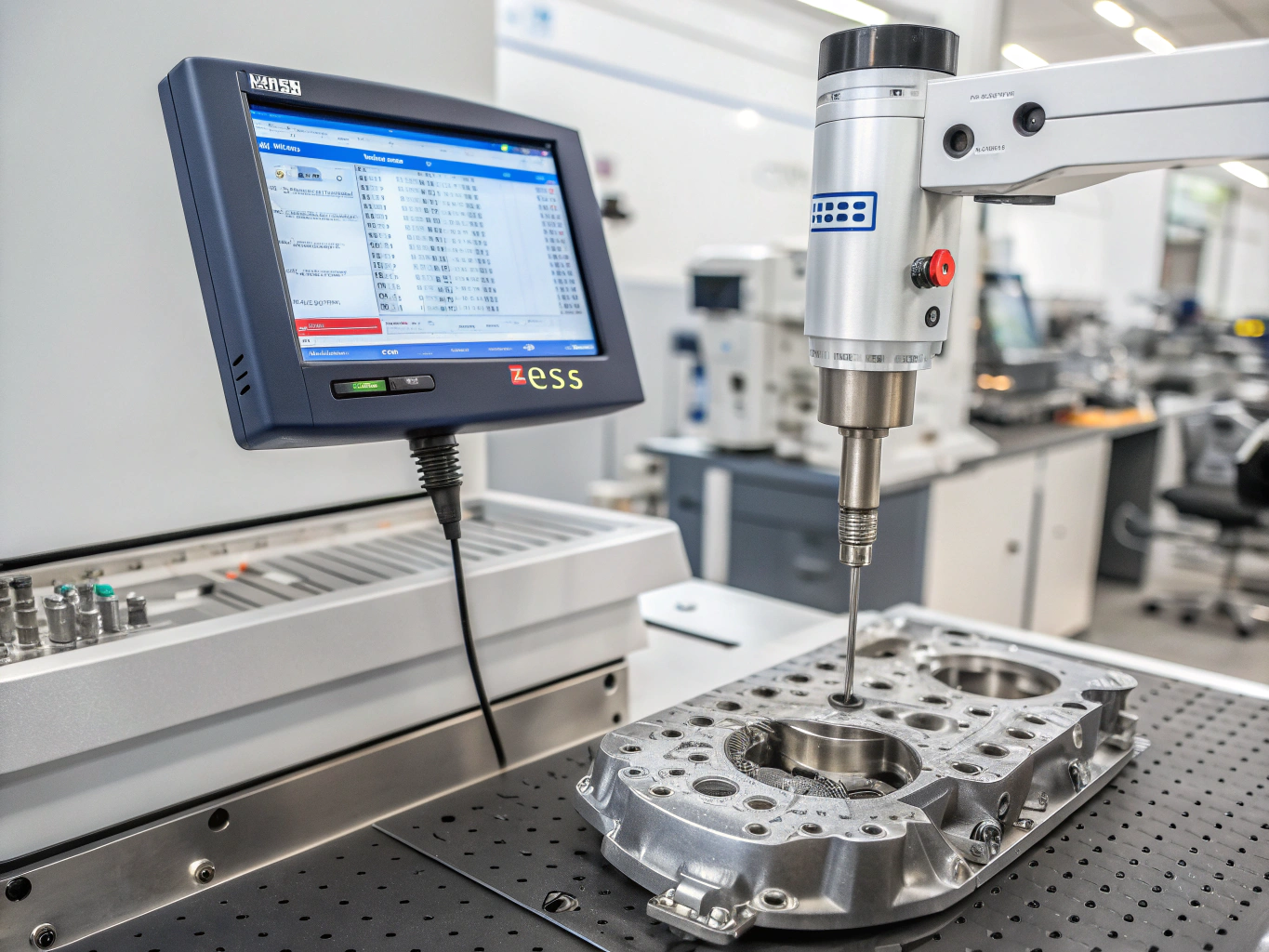
A supplier audit is a records review, not a tour with coffee. Pick a floor job and follow its paperwork.
Test traceability with finished goods, not the job in front of you: anyone can find paperwork for the current work order.
4. What to Look At Beyond the Quality System
A certificate cannot tell you whether the factory can make your part. Look at four more things.
- Equipment matched to your part. Ask for the asset list, then look at the machines: cutting envelope, punch capacity and tooling, press brake length, welding equipment, and the coating line if finishing is in scope.
- Inspection capability. Ask what measuring equipment exists on site and whether it can measure the features your drawing controls — hole positions, angles, formed heights, flatness of a formed part. A supplier that cannot measure a feature cannot certify it either.
- Engineering and documentation. Can they read your drawing, raise a clear DFM question at quotation, control drawing revisions, and supply inspection reports and material certificates on request?
- Finishing and sub-tier control. Establish what is genuinely in-house. Our own in-house finishing is powder coating; other finishes are quoted and confirmed per project, and we say which operations are subcontracted.
Sample the paperwork during the visit: ask for a floor job's traveler, inspection record and material certificate. If assembling that takes an afternoon, the records exist on paper but not in practice.
5. Due-Diligence Checklist Before You Place a PO
Numbers in this guide are general engineering references; your drawing and the standard it calls out govern the part we manufacture. Tolerances and acceptance criteria are per your drawing, and material certificates and inspection reports are available on request.
6. Telling a Factory From a Trading Company
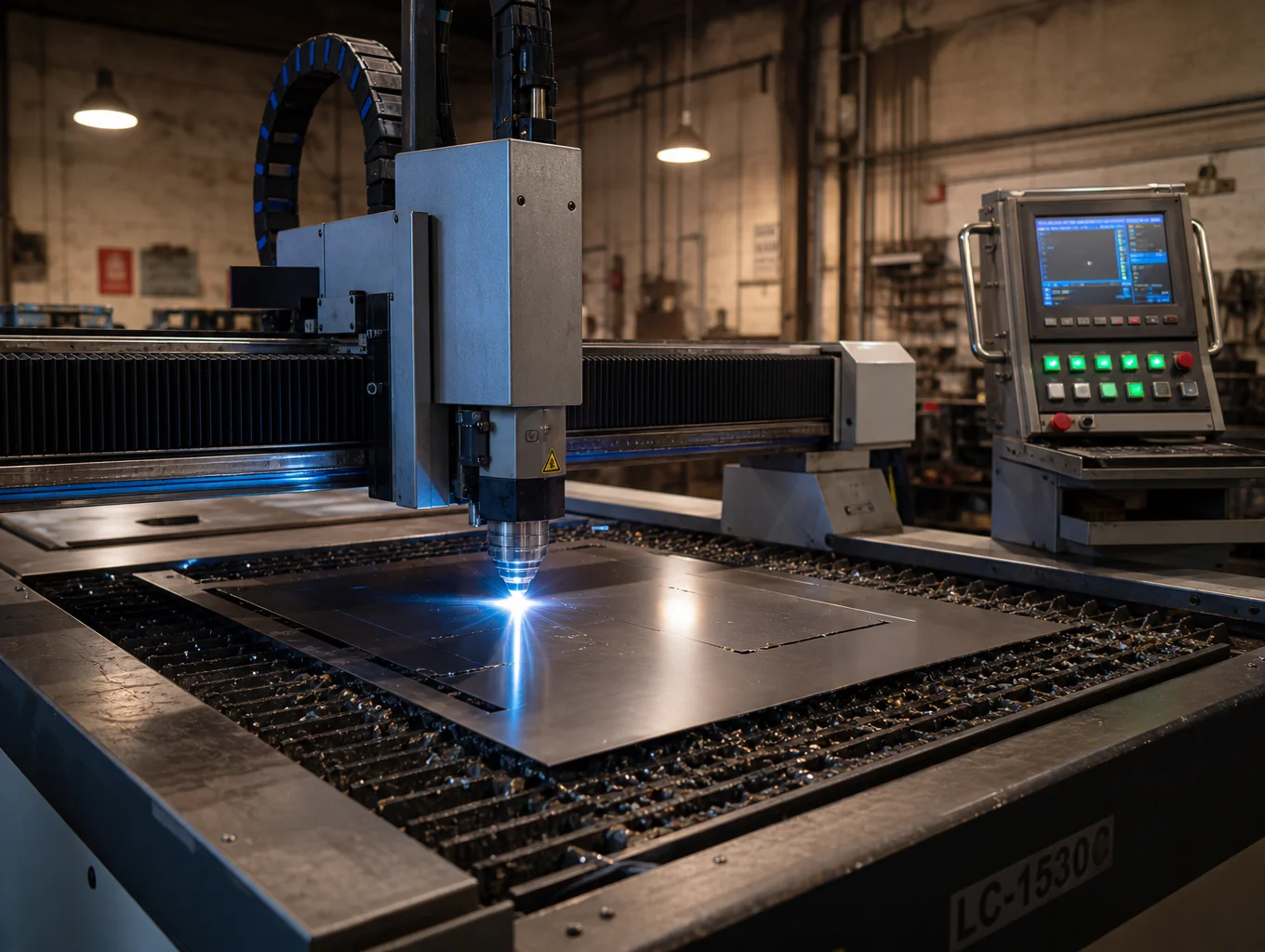
- "Can we walk the shop on a live video call now?" A factory shows its own machines and answers questions; a trading company deflects or shows a partner's floor.
- "Which press brake will run my part, and how long is its bed?" Process questions get an instant answer from a production engineer, not from a sales office.
- "Who signs the first article report, and who answers our DFM questions?" Ask for a name and a role. Factories know; intermediaries usually do not.
- "Which operations leave your site, and to whom? Can we see the maintenance log and nameplate of the machine you just described?" An honest factory answers directly, and ownership is easy to demonstrate.
- "Does the entity on the certificate also issue our invoice?" Compare the names on the certificate, quotation, invoice and bank account.
Trading companies are not automatically a problem: some add real value on sourcing, communication and logistics. The risk is paying a factory price for a trading margin, or assuming you audited a process the contracting entity does not own.
SafeFaber manufactures sheet metal in Yantai, China and holds ISO 9001:2015 through Safety Spacs Ltd., with in-house metal fabrication services: laser cutting from 0.5 mm to 20 mm, CNC punching, CNC bending up to 3 m, MIG/TIG/spot welding, powder coating and turnkey assembly. Our engineers review every drawing free through design engineering, quotations come back within 24 hours, prototypes take 3–7 business days and production runs 2–4 weeks with door-to-door shipping. Read how we work with supply chains or about our company.
Frequently Asked Questions
Q1: Is ISO 9001:2015 a product certification?
No. It is a quality management system standard: certification means an accredited body has audited how the organization manages quality. It certifies no product, material, tolerance or rating, and it does not approve the parts you buy. Product requirements come from your drawing.
Q2: How do I verify an ISO 9001 certificate from a supplier?
Ask for the certificate number and the issuing certification body, then verify both with that body's register or by written confirmation. Confirm that the scope names the site and the processes you buy, that the holder matches your quotation and invoice, and that the certificate is currently valid.
Q3: What should I ask during a sheet metal supplier audit?
Follow one job through the records: incoming material certificates, process setup and first article inspection, gauge calibration, non-conforming material control, traceability and change notification. Then ask them to trace a past shipment back to its material lot. If they can do that without preparation, the system is running.
Q4: How can I tell a Chinese factory from a trading company?
Ask for a live walkthrough of the equipment that will make your part, ask process-level questions only a production engineer can answer, ask which operations are subcontracted and to whom, and check that the entity on the certificate, quotation, invoice and bank account are the same company.
Still deciding? Send us your drawing — free DFM review and a quote within 24 hours.