Custom Sheet Metal Fabrication: Processes, Costs & How to Start Your OEM Project
Custom Sheet Metal Fabrication: Processes, Costs & How to Start Your OEM Project
Quick answer: Custom sheet metal fabrication produces parts to your exact drawings through cutting, bending, welding, finishing and assembly, from 0.5 mm to 20 mm thick steel or aluminum sheets. In-house fiber lasers hold about ±0.05 mm; CNC bending holds ±0.1 mm and ±0.5° angles. Costs depend on material, tolerance and finishing, so get DFM feedback and a quote from an ISO-certified contract manufacturer first.
1. Introduction
Custom sheet metal fabrication is how many of the world's best products get their bodies, frames, and enclosures. When you need parts that fit your design exactly, off-the-shelf components are not enough. You need parts made for you.
This guide explains what custom sheet metal fabrication really means. It covers the sheet metal fabrication process step by step. It reviews common materials and typical products. It breaks down costs and shows how to start an OEM project the right way.
Whether you are launching a new product or moving production, this article gives you a practical roadmap. Start with our complete overview: What Is Sheet Metal Fabrication?. By the end, you will know exactly what to prepare before contacting a manufacturer, and what to expect from a professional partner.
2. What Is Custom Sheet Metal Fabrication?
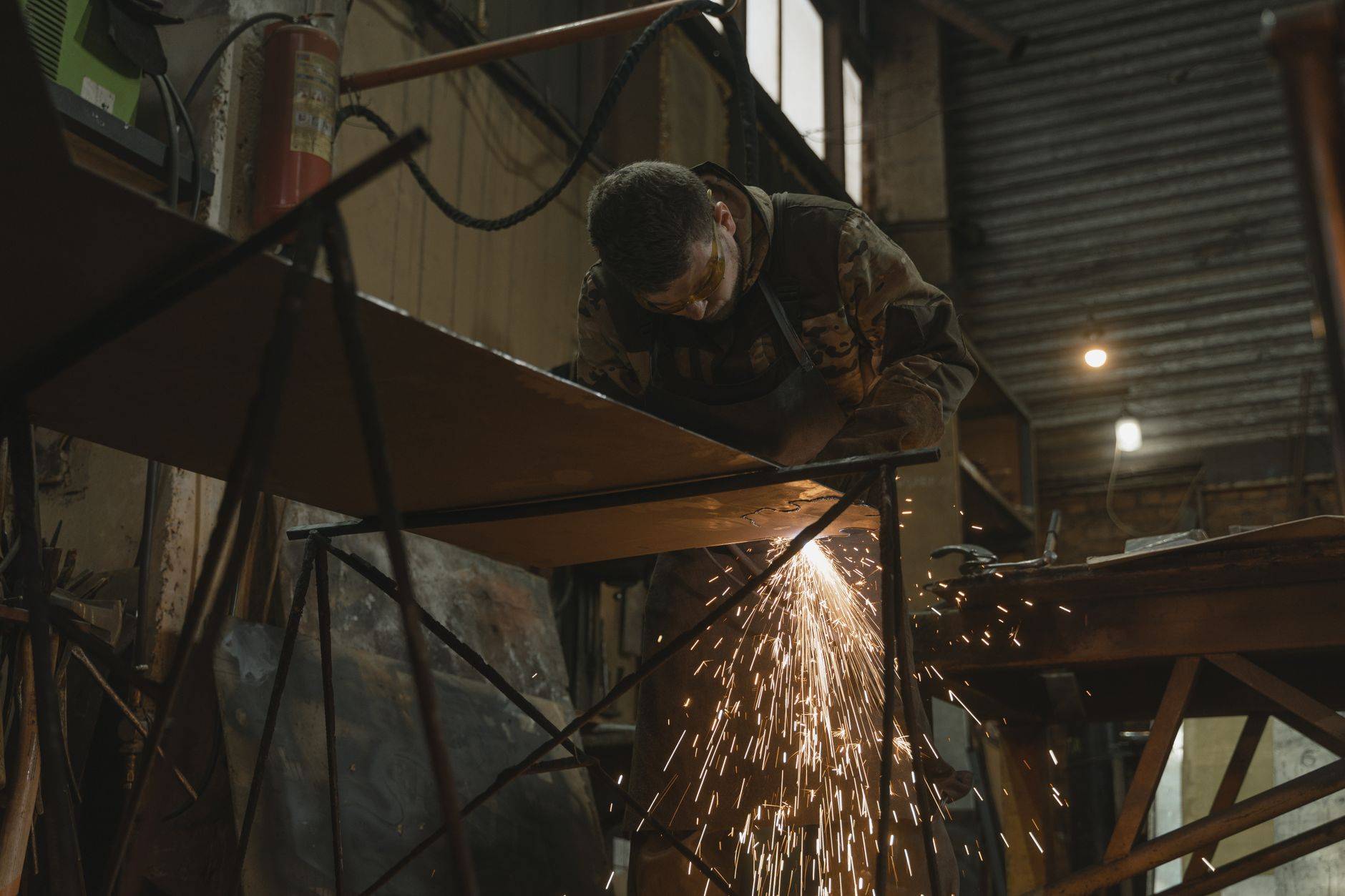
Custom sheet metal fabrication is the process of making metal parts to your exact drawings and specifications. Unlike standard products, every dimension, hole, bend, and finish is defined by you.
The process starts with flat metal sheets. These sheets are cut into shapes, formed into 3D parts, and joined into complete products. The work covers many operations, from simple brackets to complex enclosures.
What makes it "custom" is the starting point: your design. A fabricator does not sell you a catalog part. Instead, it produces what your engineering team designed, using its machines and expertise.
Precision sheet metal fabrication takes this a step further. It adds tight tolerances, strict quality checks, and repeatable results. This is what OEMs need when parts must be identical, order after order.
Custom fabrication also protects your design. Your drawings, materials, and specifications stay unique to your product. Nothing is shared with competitors, and your intellectual property remains under your control with an NDA in place.
Many OEMs choose to work with a contract manufacturer. Contract metal fabrication means one partner handles the full scope: design review, prototyping, production, finishing, and delivery. SafeFaber is one such partner, offering contract manufacturing for global OEMs from a single ISO-certified facility in China.
3. Core Custom Sheet Metal Fabrication Processes
Every custom part moves through a series of processes. Knowing them helps you specify parts clearly and avoid surprises.
3.1 Laser Cutting
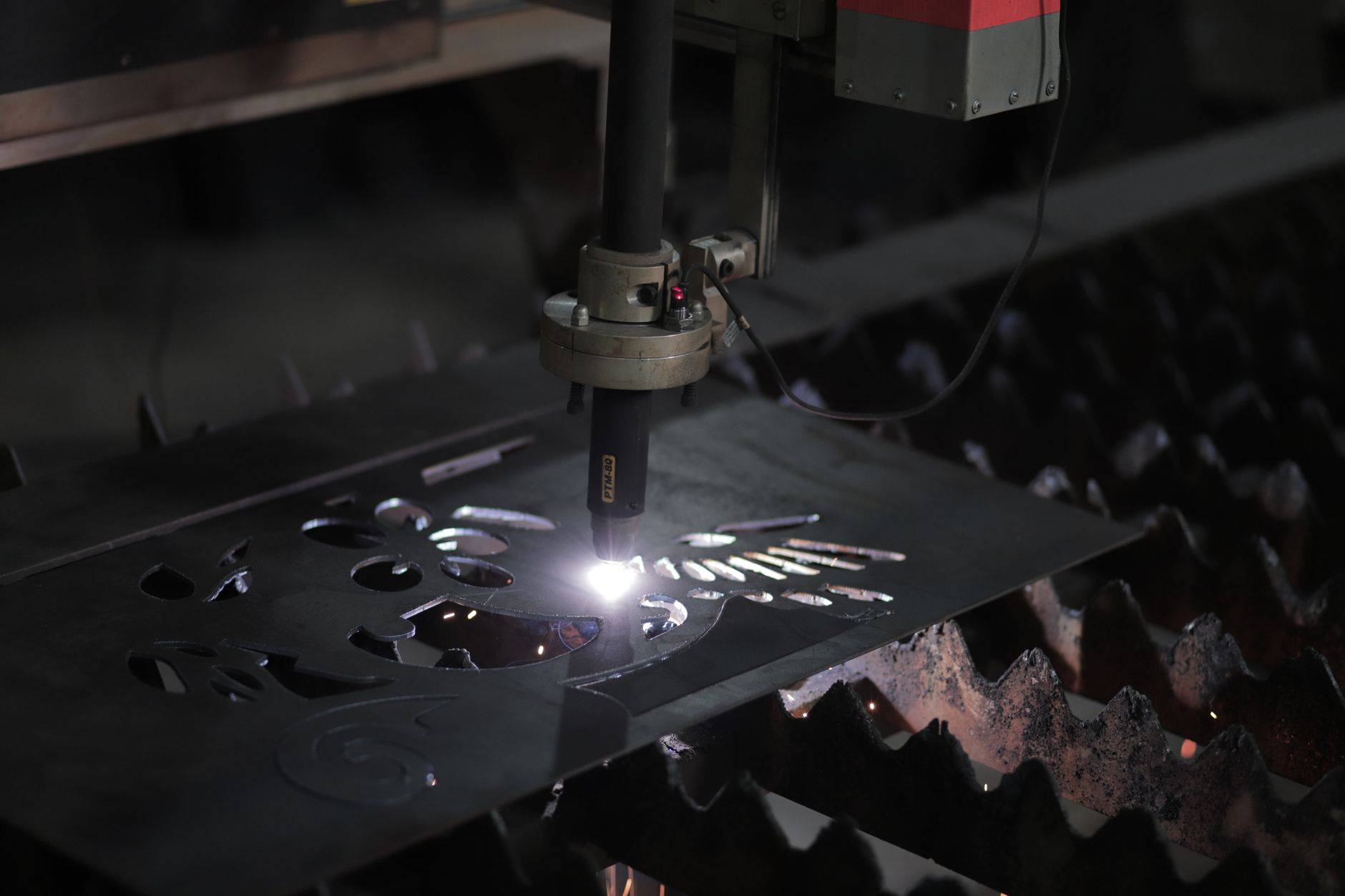
Laser cutting is usually the first step. A high-power laser beam cuts the flat sheet into your part shapes. It handles complex outlines, tight corners, and small holes with high precision.
Modern fiber lasers hold tolerances of about ±0.05 mm. They cut steel, stainless steel, and aluminum cleanly. SafeFaber runs in-house fiber laser cutting on sheets from 0.5 mm to 20 mm thick.
Laser cutting has no hard tooling, so design changes are cheap. This makes it perfect for prototypes and small batches. It is also fast: a complex part outline can be cut in seconds, which keeps unit costs low even at high volumes.
3.2 CNC Bending
After cutting, most parts need bends. CNC bending uses a press brake to fold the metal along precise lines. The machine controls angle and position automatically.
Good shops hold bend accuracy near ±0.1 mm and angles within ±0.5 degrees. SafeFaber's automated CNC bending line forms parts up to 3 meters long.
A simple rule: the minimum inside bend radius is about one times the material thickness. Confirm this early in the design phase to avoid cracked bends.
Spring-back is another factor. Steel and aluminum spring back slightly after bending — the phenomenon is well documented as springback in metalworking literature. A good programmer compensates for it automatically, so your final angles match the drawing.
3.3 Welding
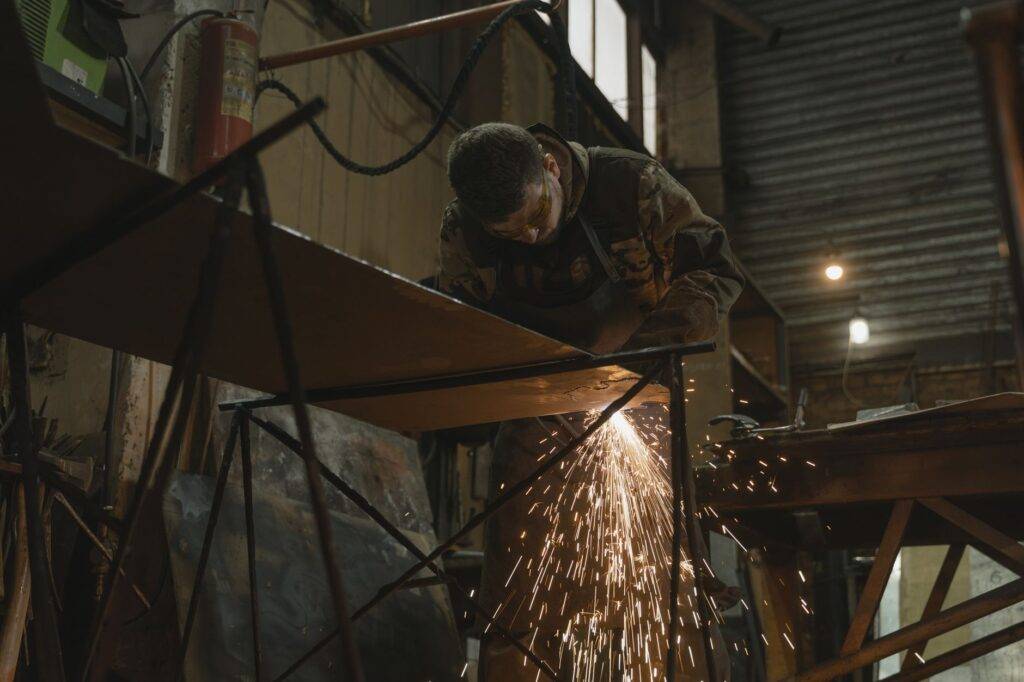
Welding joins metal pieces into strong, permanent assemblies. MIG, TIG, and spot welding are the most common methods for sheet metal.
Welding is essential for frames, enclosures, and cabinets. Weld quality affects strength, sealing, and appearance. Qualified welders and documented inspection make a real difference.
SafeFaber operates an in-house welding department with certified welders and custom fixtures. Weld reports and material certificates are available for OEM programs.
3.4 Punching and Forming
Punching cuts holes and slots with a punch and die. It is fast and economical for parts with many repeated features. Forming adds embosses, louvers, and countersinks in the same operation.
Automated turret punching combines many tools in one machine. For high volumes, punching is usually cheaper than laser cutting. For complex outlines, laser wins. Good manufacturers use both and choose the most economical route for each part.
3.5 Surface Finishing
Finishing protects the metal and gives it the final look. Powder coating, plating, brushing, and anodizing are common options.
Powder coating is the standard for industrial products — see powder coating for process details. It is durable, available in many colors, and resists corrosion. Zinc plating protects carbon steel. Passivation suits stainless steel.
Your finish choice affects both cost and product life. A good partner recommends the right option for your application. Salt spray testing can verify corrosion performance, and coating thickness reports confirm quality before shipment.
3.6 Assembly and Inspection
The final steps are assembly and quality control. Hardware like inserts and rivets is installed. Components are joined into complete units. Everything is inspected before shipping.
First-article inspection verifies the first part against your drawings. In-process checks catch issues early. Final inspection confirms dimensions, finish, and function. Every step is documented, so you can trace any part back to its production batch.
4. Common Materials Used in Custom Metal Parts
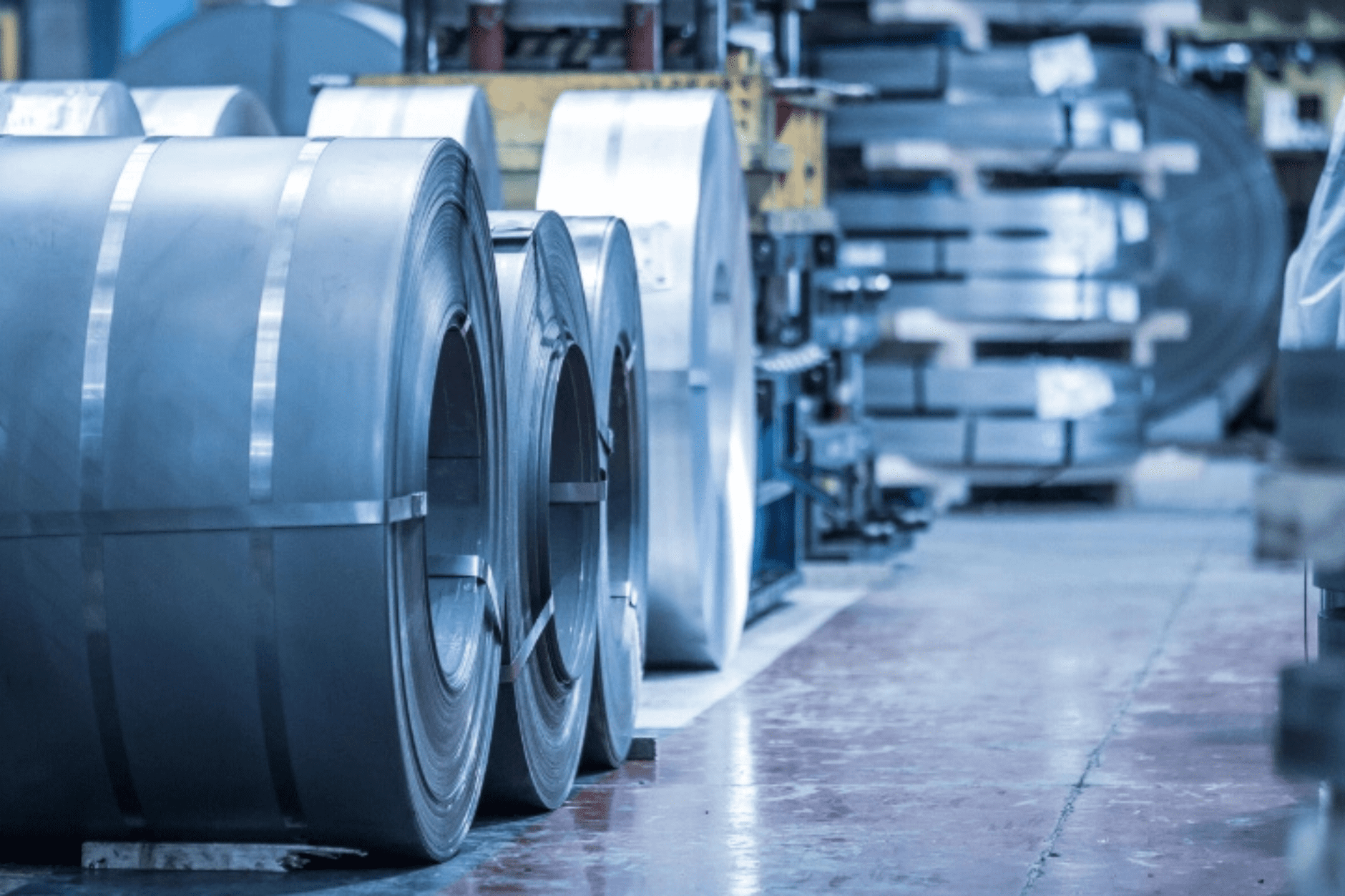
Material choice drives cost, weight, and durability. Here are the most common materials in custom metal fabrication.
A few rules help you choose. Strength matters for structural parts. Corrosion resistance matters for outdoor use. Weight matters for portable products. Cost always matters. Your fabricator should help you balance all four.
4.1 Carbon Steel
Carbon steel is strong, affordable, and easy to form. SPCC cold-rolled steel is the default for enclosures and cabinets. It accepts powder coating very well.
4.2 Stainless Steel
Stainless steel resists corrosion, heat, and chemicals. Grades 304 and 316 are standard. Grade 316 adds molybdenum for harsher environments like marine or chemical applications.
4.3 Aluminum
Aluminum is light and naturally corrosion-resistant. Alloys 5052 and 6061 are common. It conducts heat well, which helps in electronics and EV products.
4.4 Galvanized Steel
Galvanized steel has a zinc coating for corrosion protection. SGCC galvanized steel is common for outdoor and cost-sensitive applications. It welds well and accepts paint, which makes it flexible for many industrial products.
Material Comparison Table
| Material | Strength | Corrosion Resistance | Cost | Best For |
|---|---|---|---|---|
| Carbon steel | High | Moderate | Low | Cabinets, racks, frames |
| Stainless steel | High | Excellent | High | Medical, outdoor, food |
| Aluminum | Moderate | Good | Medium | Light enclosures, electronics |
| Galvanized steel | High | Good | Low-Medium | Outdoor, budget projects |
Need help choosing? SafeFaber's engineering team gives material guidance during the design review. The right material can reduce cost without hurting performance.
5. Typical Custom Sheet Metal Products and Applications
Custom sheet metal fabrication produces parts for nearly every industry. Here are the product families OEMs order most.
5.1 Battery Cabinets
Energy storage systems need strong, ventilated, fire-safe enclosures. Battery cabinets protect cells, manage heat, and contain hazards. They follow standards like UL 9540A. For hazardous material storage, read our Flammable Storage Cabinets guide.
SafeFaber builds custom battery cabinets and energy storage enclosures with thermal management and heavy-duty welded frames. These products ship to C&I and utility projects worldwide.
5.2 Industrial Enclosures
Industrial enclosures protect electronics, instruments, and controls. They come with IP or NEMA ratings for dust and water protection. Custom sizes and cutouts are standard.
SafeFaber manufactures a full range of industrial enclosures for automation, telecom, and outdoor equipment. For facility storage solutions, see our Industrial Storage Cabinets 101 guide. Every enclosure is built to your mounting and cooling requirements.
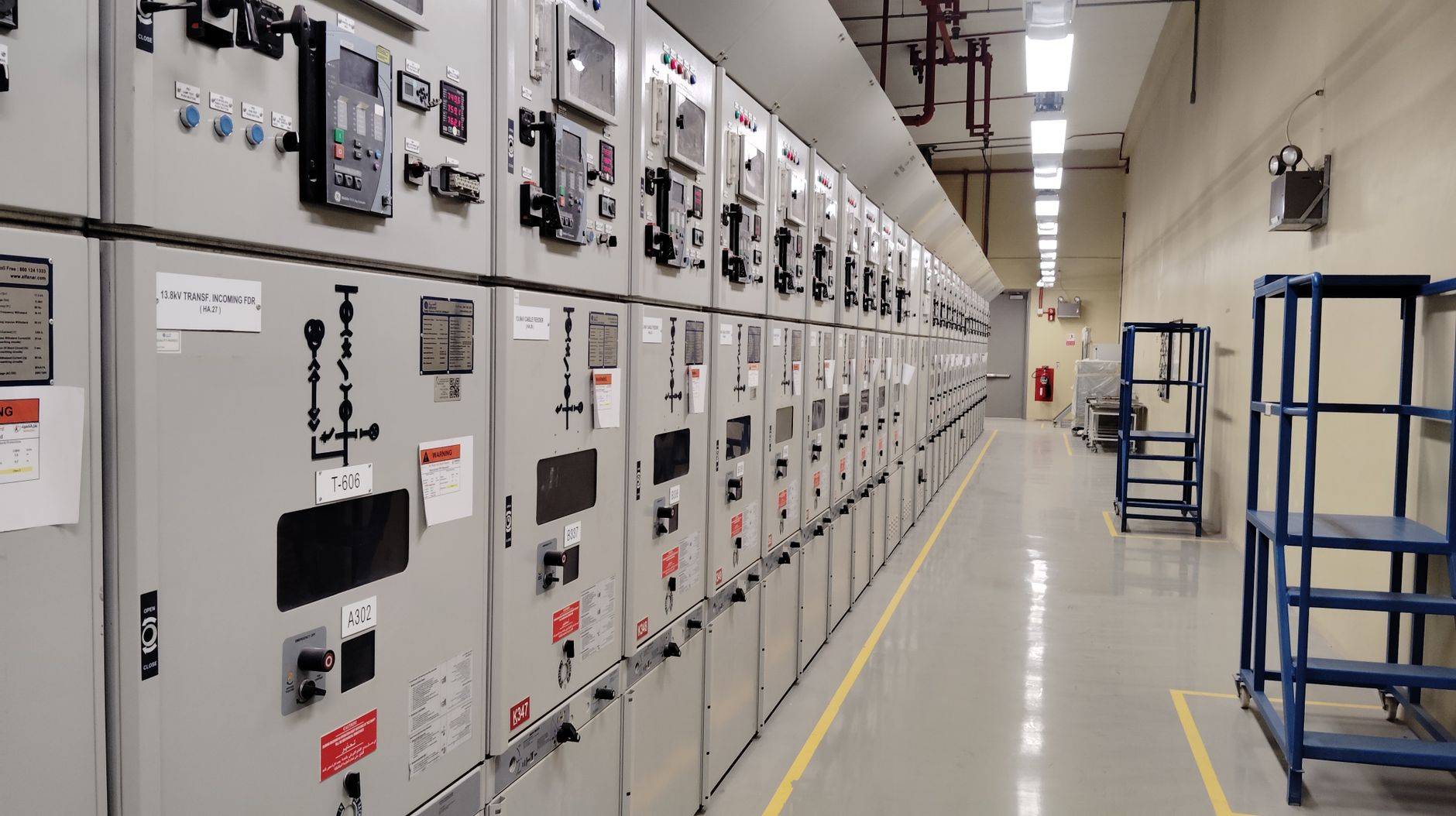
5.3 Electrical Cabinets
Electrical cabinets house switchgear, drives, and controllers. They need precise mounting, cooling, and EMC shielding. IP54 to IP66 ratings are typical.
SafeFaber produces control panel enclosures, MCC cabinets, and electrical control cabinets built to print, with compliance documentation for your market.
5.4 Server Racks and Chassis
Data centers depend on racks and chassis built to EIA-310-E standards. Hole positions must match industry specifications exactly.
SafeFaber fabricates server racks, rackmount chassis, and network enclosures from high-grade steel.
6. Key Benefits for OEM Projects
Why do OEMs choose custom metal fabrication? The benefits are practical and measurable. They apply whether you order 50 prototypes or 50,000 production units.
6.1 Design Freedom
Your design, your rules. Custom fabrication follows your drawings, so you control every dimension and feature. There is no compromise with standard parts.
6.2 Cost Efficiency at Scale
Sheet metal parts get cheaper as volumes grow. Tooling is minimal compared to molding. At production quantities, per-part costs drop fast. Material is bought in bulk, and setup time spreads across thousands of parts.
6.3 Faster Time to Market
Prototypes can ship in days. Design changes are cheap without hard tooling. This speed helps you beat competitors to market.
6.4 One Partner, One Standard
A full-service manufacturer handles everything: design support, prototyping, production, finishing, and shipping. Fewer vendors mean fewer gaps and faster answers.
SafeFaber's end-to-end custom sheet metal fabrication services cover the full scope, so you manage one supplier instead of five.
7. What Affects Custom Sheet Metal Fabrication Costs?
Quotes vary for clear reasons. Here is what drives the price. Understanding these factors helps you compare suppliers fairly and spot unrealistic offers.
7.1 Material
Material is often the biggest cost. Stainless costs more than carbon steel. Thicker sheets cost more. Aluminum prices move with the market.
7.2 Part Complexity
Complex shapes take more machine time. Tight tolerances need more inspection. Deep draws, small holes, and difficult bends add cost.
7.3 Quantity
Volume changes the math completely. Setup costs spread across more parts. A part that costs $10 per unit at 50 pieces might drop to $4 at 1,000 pieces.
7.4 Finishing
Powder coating, plating, and assembly add cost and lead time. Choose finishes based on your real requirements, not habit.
7.5 Tooling and Setup
Most fabrication needs little tooling. Custom dies and fixtures add cost but improve repeatability on long runs.
The cheapest project is a well-designed one. A good design for manufacturability (DFM) review often finds 10 to 20 percent savings before production starts. SafeFaber includes a free DFM review with every quotation.
Ask for a cost breakdown, not just a total. A transparent quote shows material, processing, finishing, tooling, and freight separately. This makes comparison easy and prevents hidden surprises later.
8. How to Prepare Before Starting Your OEM Project
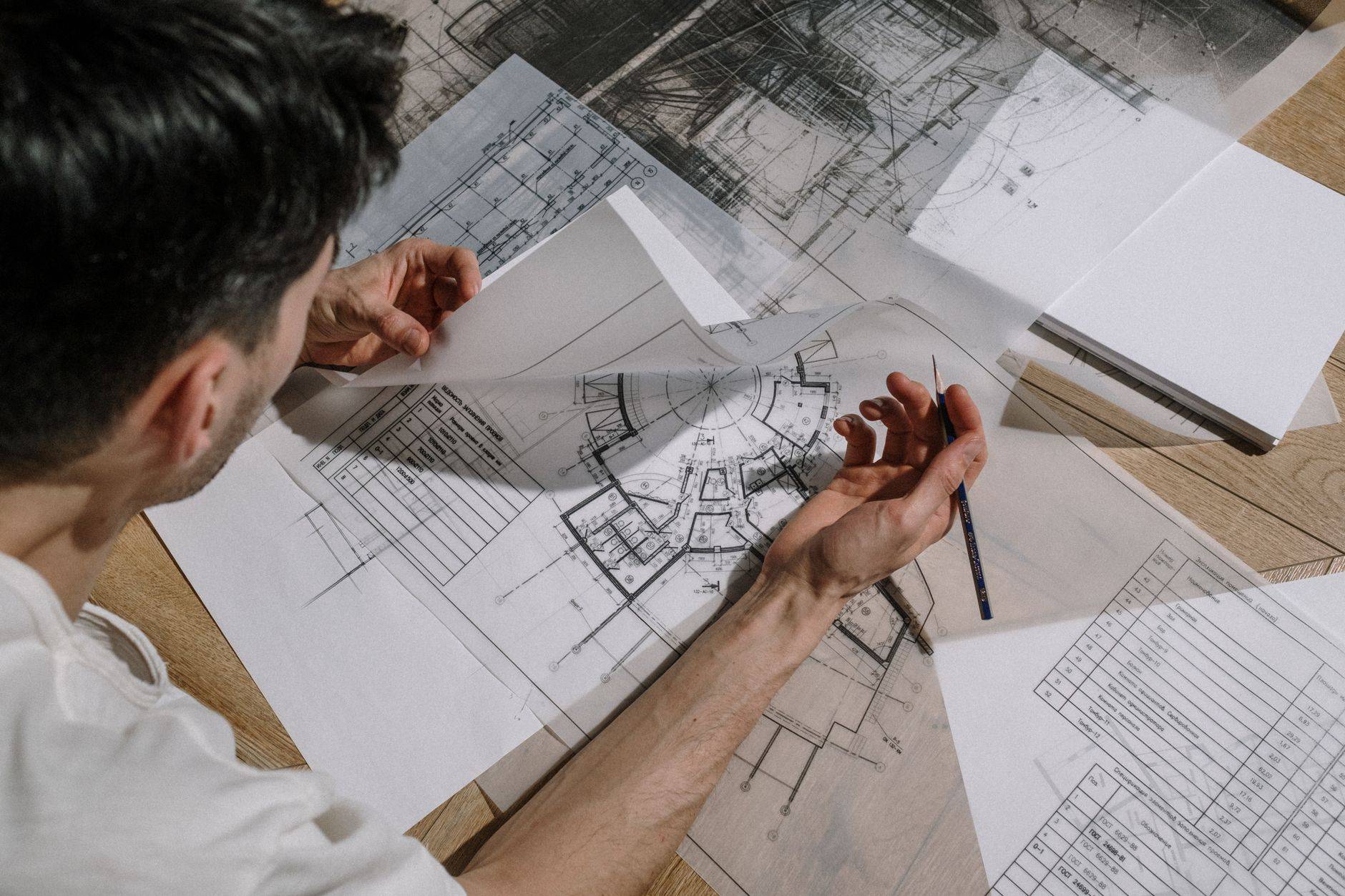
Good preparation gets you better quotes and faster timelines. Here is your pre-send checklist.
- Complete drawings: DXF, DWG, STEP, or PDF files with dimensions and tolerances.
- Material specification: grade, thickness, and finish requirements.
- Quantity forecast: annual volume and expected order sizes.
- Standards to meet: UL, IP, NEMA, RoHS, or other certifications.
- Timeline: target delivery date and any milestones.
- Samples or references: existing parts or photos, if available.
The more detail you provide, the more accurate your quote will be. A one-page brief beats a week of email questions.
If your design is not final, that is fine. Send the current version and ask for feedback. Most manufacturers will review it and suggest improvements before you lock the design.
9. Step-by-Step OEM Project Workflow
Here is how a typical project runs with a professional manufacturer.
Step 1: Send Your Inquiry
Share your drawings, quantities, materials, and deadlines. A good manufacturer responds within 24 hours.
Step 2: DFM Review and Quote
Engineers review your design for manufacturability. You receive feedback and pricing, with risks flagged before production.
Step 3: Prototype and Approval
Prototypes ship in 5 to 7 business days. You inspect the first article and approve the baseline.
Step 4: Production
Batch production runs through the certified quality system. Inspection points keep every batch consistent.
Step 5: Delivery
Parts receive export-grade packaging and managed freight. You receive tracking, documentation, and door-to-door delivery.
10. How to Choose the Right Custom Sheet Metal Manufacturer
Choosing a partner is a decision that affects your cost and quality for years. Use this checklist.
- Certifications: ISO 9001:2015 at minimum; market-specific ones as needed.
- In-house capabilities: cutting, bending, welding, finishing, and assembly under one roof.
- DFM support: engineering that reviews your design before quoting.
- Documentation: material certificates and inspection reports on request.
- Communication: 24-hour quote response and a named engineer.
- Logistics: export packing, Incoterms, and reliable freight management.
SafeFaber scores on all six points, with a single certified facility in China and proven on-time delivery for global OEMs.
Before committing, run a small trial. Send one real part and evaluate the response time, first-article quality, and documentation. A strong trial order predicts a strong long-term partnership.
11. Frequently Asked Questions
Q1: What is the difference between custom and standard fabrication?
Standard fabrication produces catalog parts. Custom fabrication produces parts to your drawings, with your materials, tolerances, and finishes.
Q2: What is the minimum order quantity?
There is no minimum for prototypes. Production pricing typically starts around 100 to 500 pieces, depending on part size.
Q3: How long does a prototype take?
Standard prototypes ship in 5 to 7 business days after drawing approval.
Q4: What file formats do you accept?
DXF, DWG, STEP, IGES, and PDF. We can also work from samples or sketches.
Q5: What tolerances can you hold?
Laser cutting holds about ±0.05 mm. CNC bending holds ±0.1 mm and ±0.5 degrees. Tighter tolerances are possible at extra cost.
Q6: Do you provide quality documentation?
Yes. Material certificates, inspection reports, first-article documentation, and PPAP support are available.
Q7: Can you help us with design?
Yes. Our engineers provide DFM feedback, material guidance, and prototyping support throughout the project.
Q8: How do you ship internationally?
We ship worldwide with export packaging, Incoterms options, and door-to-door managed freight.
Q9: Can you handle both prototypes and mass production?
Yes. We take projects from a single prototype through pilot runs to full production, with re-qualification at each stage.
Q10: What makes a good sheet metal drawing?
Clear dimensions, tolerances, material callouts, and finish notes. A bend table and hole specifications also help. When in doubt, send the drawing early and ask for a DFM review.
12. Conclusion and Call to Action
Custom sheet metal fabrication gives you exact parts, predictable quality, and a faster path to market. The key is working with a partner that combines real capabilities with honest engineering.
SafeFaber offers precision contract manufacturing for global OEMs: custom sheet metal fabrication services, DFM support, prototype-to-production capability, certified quality, and worldwide on-time delivery.
Ready to start your project? Send your drawings for a free DFM review and a quotation within 24 hours.