Battery Cabinets & Racks: A Complete Guide for Energy Storage Systems
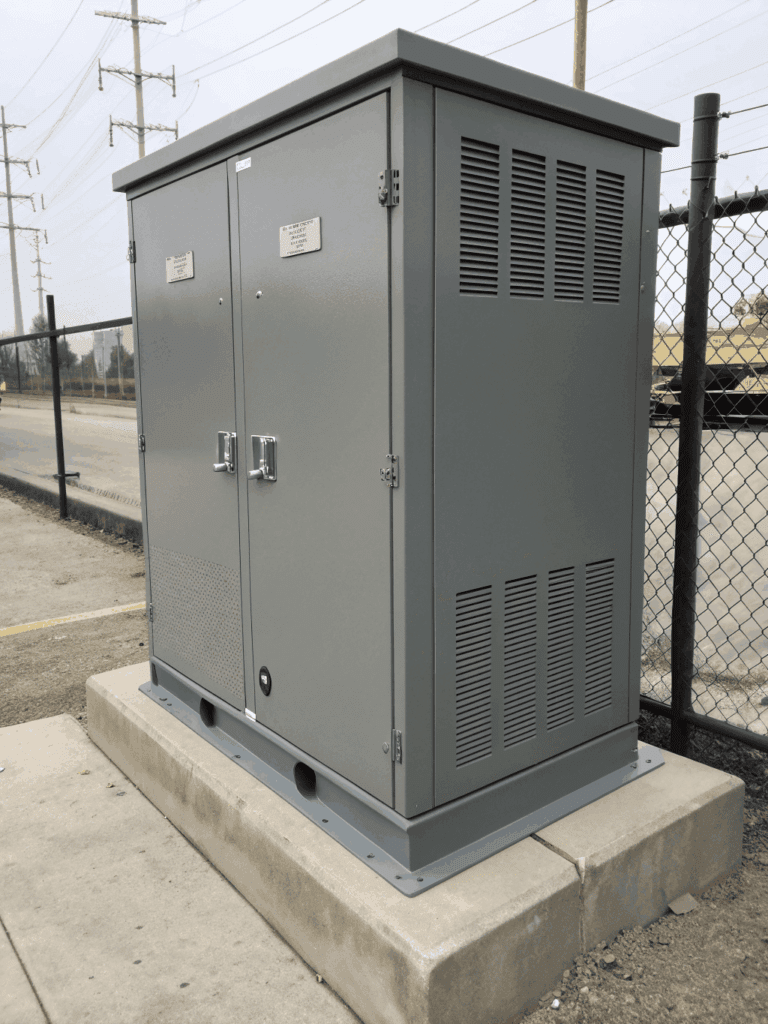
Battery Cabinets & Racks: A Complete Guide for Energy Storage Systems
Quick answer: Battery cabinets and racks house battery cells, modules, and electronics in energy storage systems, providing structural support, fire containment, thermal management, and cable organization. A loaded 48V rack can exceed 1,000 pounds, and outdoor units typically need IP54–IP65 ratings. Enclosure design should also support UL 9540 or IEC 62619 certification. Request a quote with your system specification.
1. Introduction
Battery energy storage is growing faster than almost any industrial technology. Grid-scale plants, commercial facilities, and renewable projects all depend on lithium-ion and lead-acid battery systems. And every one of those systems needs a home.
Battery cabinets and racks are that home. They support the batteries, protect them, manage heat, and organize cables. A well-designed enclosure extends system life and prevents accidents. A poorly designed one creates risk.
This guide covers the full picture for energy storage teams: what battery cabinets and racks do, the standards that apply, the types available, and how to specify the right solution. You will also learn when custom fabrication is the right call and how to evaluate suppliers for energy storage projects. New to metal enclosures? Start with our complete overview of What Is Sheet Metal Fabrication?.
2. What Are Battery Cabinets & Racks?
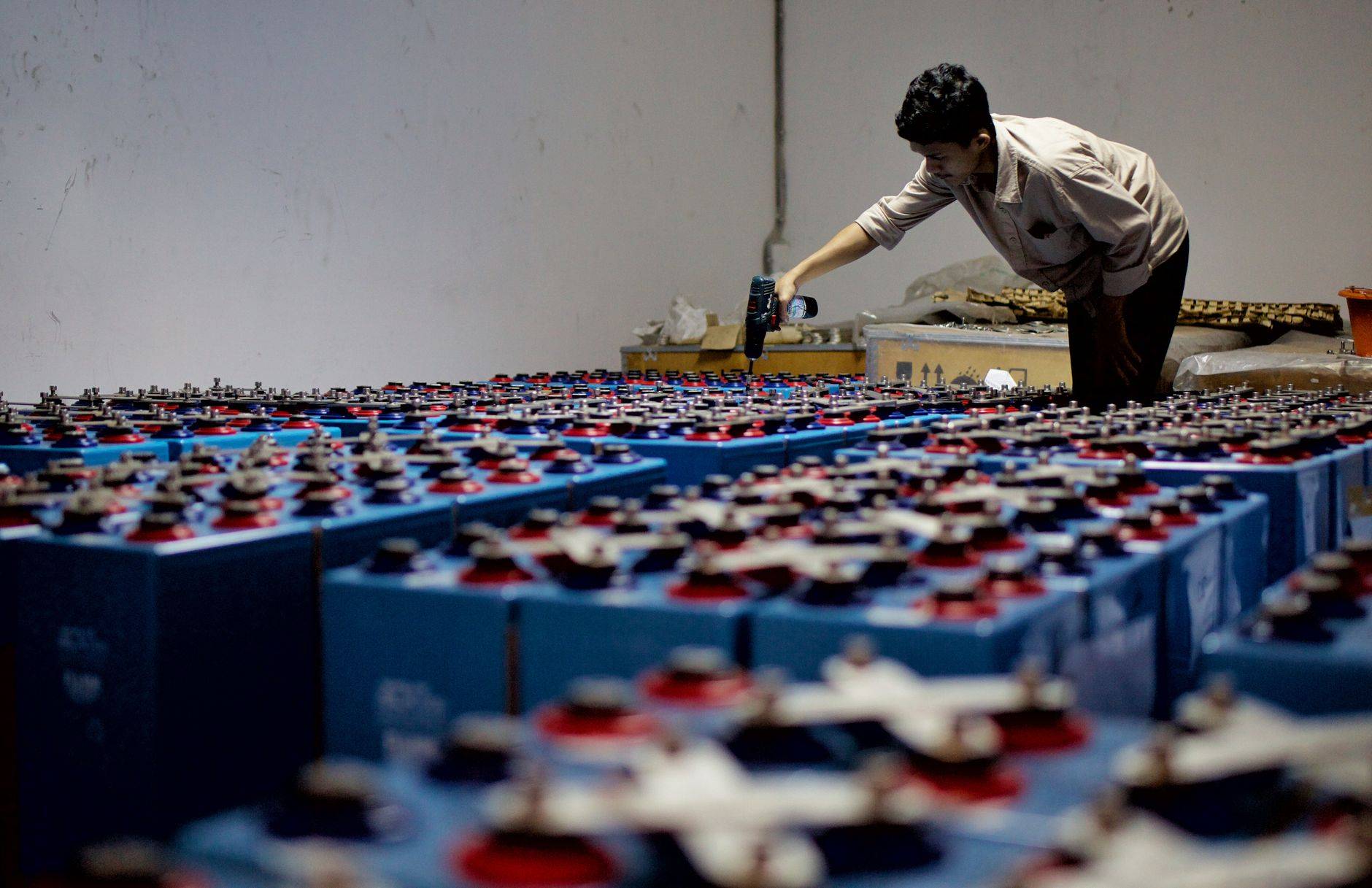
Battery cabinets are enclosed metal structures that house battery cells, modules, and associated electronics. Battery racks are open or semi-open frames that support batteries in organized rows or shelves.
The difference matters. Cabinets add protection: fire containment, dust and water resistance, and access control. Racks maximize density and airflow, and they are often installed inside a dedicated battery room or container.
Both perform four critical roles:
- Structural support: holding heavy battery weight safely
- Safety protection: containing failures and limiting access
- Thermal management: supporting airflow and cooling
- Cable organization: keeping power and signal paths clean and serviceable
Industrial battery cabinets are engineered for continuous duty: welded frames, rated hardware, and finishes that survive years of service. They are not storage furniture. They are structural, safety-critical components of the energy system.
SafeFaber builds heavy-duty battery cabinets and energy storage enclosures with welded frames, thermal-friendly design, and corrosion-resistant construction, all produced through in-house sheet metal fabrication.
3. Key Compliance & Safety Standards
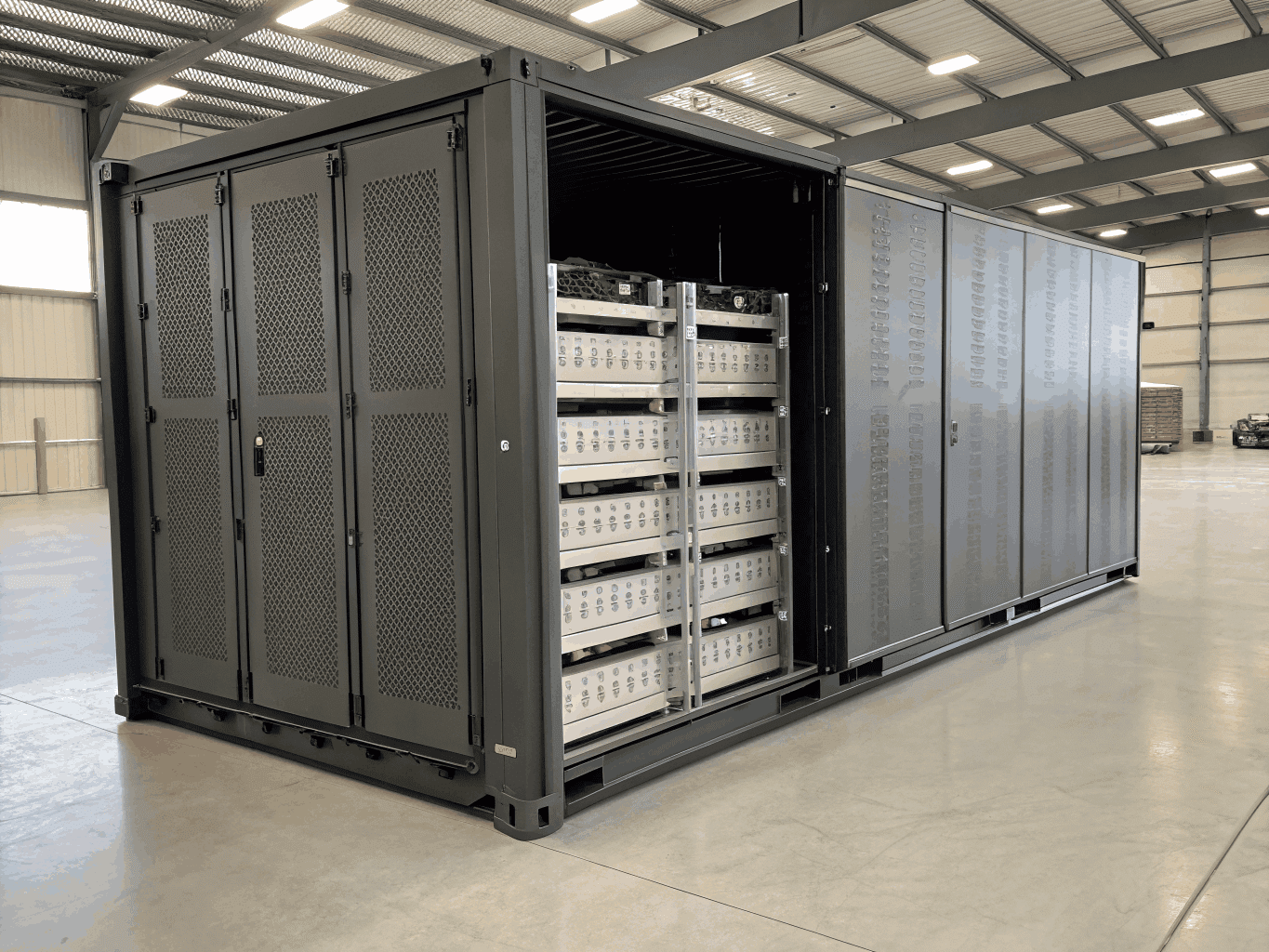
Energy storage enclosures sit inside a web of standards. Know which ones apply to your project.
3.1 UL 1973 and UL 9540
UL 1973 covers battery systems for stationary storage. UL 9540 covers the complete energy storage system, including enclosures. Together they define safety requirements for cells, modules, and housing.
Enclosure design must support the system's UL certification path. Ventilation, spacing, and materials all get reviewed during testing. Choose a cabinet partner who understands these requirements.
Work with the battery manufacturer early. Their datasheets define clearances, thermal limits, and venting needs that the enclosure must respect.
3.2 IEC 62619
IEC 62619 is the international standard for industrial lithium-ion battery systems. It covers safety testing of cells, modules, and battery systems, including thermal runaway prevention.
For global projects, IEC 62619 compliance is often a contractual requirement. Confirm your enclosure design supports the testing your battery pack needs.
Plan documentation early. IEC certification reviews test reports, design records, and production traceability — all of which depend on a clean enclosure specification.
3.3 NFPA 855
NFPA 855 is the fire safety standard for stationary energy storage systems. It limits system size, spacing, and location, and it requires thermal runaway protection and fire detection.
Cabinet placement, ventilation, and fire-rated construction all interact with NFPA 855 requirements. Early coordination with the AHJ avoids costly redesigns.
3.4 IP Ingress Protection Ratings
Outdoor and harsh environments need IP-rated enclosures. Common ratings for energy storage include IP54, IP55, and IP65, defined by the IP code system. The rating defines protection against dust and water.
Match the rating to the site: a shaded indoor room may only need IP54, while an exposed outdoor site needs IP65 or better. Confirm the rating is tested, not assumed. Ask for the test certificate, not just a datasheet claim.
3.5 Consequences of Non-Compliance
Non-compliant enclosures fail insurance reviews, permitting, and utility interconnection approvals. Worse, they can contribute to thermal events. In energy storage, compliance is a project requirement, not a preference.
Projects that cut corners on enclosures rarely cut costs. They pay later in redesigns, delays, and rework that dwarf the original savings.
4. Main Types of Battery Cabinets & Racks
Storage systems come in many shapes. Match the enclosure to the application.
4.1 By Product Form
- Floor-standing battery cabinets: Full-height enclosed units for indoor and outdoor systems.
- Open-frame battery racks: Two- or four-post frames for high-density battery rooms.
- Wall-mounted battery racks: Compact units for small systems and tight spaces.
- Modular battery rack systems: Scalable frames that grow with the project.
- Rack-mount battery rack cabinets: Enclosed rack units that fit standard 19-inch layouts while adding protection.
4.2 By Application Scenario
- Indoor UPS and backup battery cabinets: Protect critical power systems in data centers and industrial plants. UPS battery racks and cabinets keep backup power ready for instant deployment.
- Solar and renewable energy storage enclosures: Weather-rated units for solar farms and off-grid sites. Solar battery enclosures combine weather protection with thermal management.
- Lithium-ion battery storage cabinets: Fire-aware designs with ventilation and containment features.
- Battery charging cabinets: Dedicated units for charging fleets and industrial equipment, with ventilation and safety interlocks.
- Outdoor battery enclosures: Fully weatherproof units with IP-rated sealing.
4.3 By Battery Chemistry
- Lead-acid battery racks: Ventilated open racks for flooded and VRLA batteries.
- Lithium-ion battery cabinets: Enclosed designs with thermal runaway considerations.
- High-voltage battery system enclosures: Reinforced cabinets for utility-scale racks.
Chemistry drives the design. Lead-acid needs ventilation for gassing. Lithium-ion needs containment and thermal monitoring. Confirm the chemistry before specifying.
SafeFaber builds all of these configurations with custom sizing. Explore the wider range of custom metal products for related energy and industrial solutions.
4.4 Cabinet vs Rack vs Container: Which Format to Specify
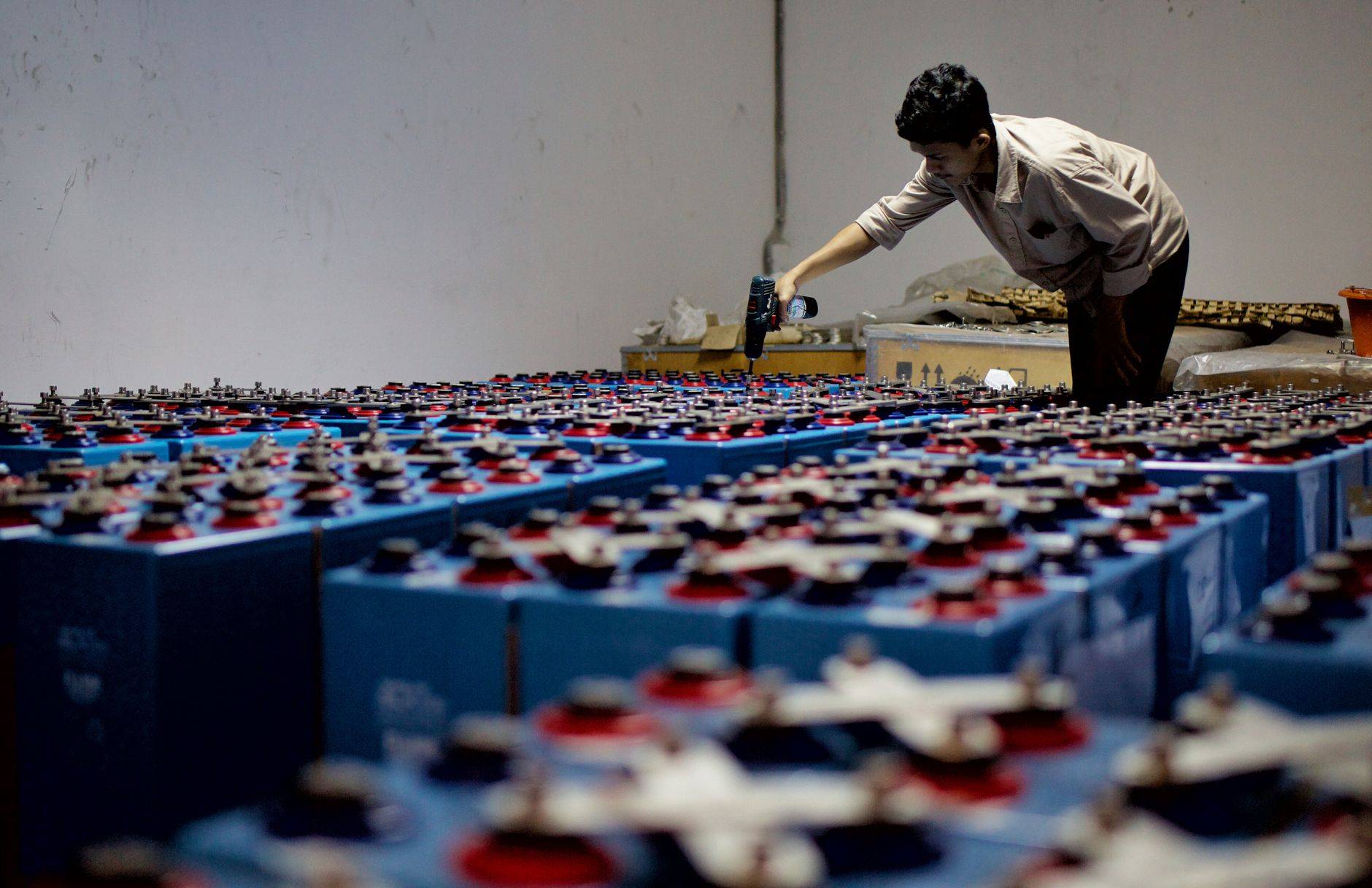
Most energy storage projects fail at this decision before any drawing is issued. Cabinet, rack, and container are not three grades of the same product — they are three different buildings for the same cells, and each one pushes a different set of requirements onto the enclosure fabricator.
| Criteria | Battery cabinet | Battery rack | Containerized ESS |
|---|---|---|---|
| What it is | A closed steel enclosure holding one or a few battery modules, with doors, shelves and integrated thermal and fire provisions | An open structural frame — batteries and modules stay exposed | A walk-in enclosure, usually ISO-footprint, with HVAC, fire suppression and electrical rooms built in |
| Typical role | Plant rooms, telecom sites, commercial and industrial storage, UPS rooms | Rooms that already have fire detection and suppression | Utility-scale and multi-megawatt sites, outdoor |
| Fire strategy | Containment has to live inside the cabinet: double-wall construction, insulation, venting | Relies on the room, not the frame | Integrated: suppression, detection and blast relief are part of the unit |
| Footprint | Smallest per unit; can be moved through a standard door | Similar to a cabinet but needs clearance for exposed cells | Large; needs crane access and a prepared pad |
| Specify it when | You need a defined, repeatable unit that ships assembled and is easy to relocate | The site already provides the fire envelope and you want lowest cost per position | The project is big enough that on-site assembly and integrated services pay off |
| What it demands from fabrication | Tight tolerances, sealing, insulation, cable entry, locking and finish quality — the enclosure is the product | Load capacity, anchoring and seismic bracing — structure over enclosure | Heavy-gauge structural frame, panel systems, lifting points, corrosion protection for permanent outdoor exposure |
The rule of thumb: the more of the fire and thermal strategy the enclosure has to carry itself, the more the project needs a cabinet rather than a rack.
In practice the three formats share one supply chain. They are built from the same steel, cut on the same laser, bent on the same press brake. What changes is how much engineering the enclosure has to absorb.
4.5 Cabinet ESS vs Containerized ESS
Cabinet-based and containerized storage are usually presented as a size choice. They are better understood as a decision about where the engineering work happens — in a factory or on a pad — and that single choice cascades into cost structure, permitting, service access and how you scale.
Cabinet ESS puts the thermal, fire and electrical provisions inside a factory-built steel box. Every unit is assembled, wired and inspected before it ships, then installed with a crane or a pallet truck. It suits commercial and industrial sites, retrofit projects, indoor plant rooms, and anywhere the site cannot justify a container pad.
Containerized ESS moves the same provisions into a walk-in structure. That makes sense when the project is large enough to justify site assembly, when the site is remote, and when permitting favours one integrated unit over many discrete ones.
| Decision factor | Cabinet ESS | Containerized ESS |
|---|---|---|
| Site requirement | Prepared floor or pad; can go indoors, through a standard door | Prepared pad, crane access, outdoor-rated structure |
| Scaling | Add units as load grows — incremental and reversible | Committed up front; extra capacity means another container |
| Serviceability | Swap or service one unit without touching the rest | Service access is inside the structure; one fault can affect the whole unit |
| Permitting | Each unit may need its own review | One integrated unit to review |
| Factory vs site work | Almost all work stays in the factory | More work moves to site, including integration and commissioning |
| Cost structure | Higher cost per kWh, but no pad, no crane and no site labour | Lower cost per kWh at scale, but pad, crane, transport and site labour are on your side |
| Lead time | Repeatable and predictable once the design is frozen | Longer; structure, transport and site sequencing all sit on the critical path |
| Enclosure content | Doors, shelves, insulation, sealing, cable entry, locking — the box is the product | Structural frame, insulated panels, HVAC and suppression integration, lifting points |
A common hybrid: cabinets installed inside a container or a plant room. The cabinet carries containment and thermal performance; the structure carries weather, access and security. It gets you factory-tested units with container-level site protection, and it is how a lot of C&I projects are actually built.
Two things worth deciding early. If the site is a retrofit with an existing electrical room, the container option usually dies on access alone. If the battery module has not been chosen yet, neither option can be quoted properly — the enclosure is downstream of the module.
The two formats are also not equally demanding on the fabricator. A cabinet puts the engineering load on tolerance, sealing, insulation and finish. A container puts it on structural rigidity, panel systems and long-term corrosion protection. Choosing between them chooses which fabrication problem you are buying.
4.6 Wall-Mounted vs Stackable vs Server-Rack
Below the cabinet-versus-container decision sits a second choice that catches a lot of buyers late: how the small and mid-size units physically attach to the building. The three formats look interchangeable on a datasheet and behave completely differently once they are on site.
Wall-mounted enclosures free up floor space and suit small commercial sites, telecom cabinets and back-of-house positions. The catch is that the load moves into the wall, so wall construction, fixing method and bracket design become part of the enclosure specification. A cabinet that is perfectly manufactured will still sag if the wall cannot carry it.
Stackable cabinets trade floor footprint for height. They need a flat, load-rated base, proper interlocking between units, and clearance above the top unit for airflow and service. Stacking also changes the thermal case: heat from the lower unit rises into the upper one, so the thermal design has to consider the stack, not the individual cabinet.
Server-rack format puts the batteries on 19-inch EIA-310 rails. It is the natural choice where batteries share a room with network or UPS equipment, and it turns a module swap into a rail slide rather than a lift. The trade-off is that airflow direction (front-to-back) and rail depth now have to be respected by the enclosure design.
| Choose | When it fits | What to check on the drawing | What goes wrong if skipped |
|---|---|---|---|
| Wall-mounted | Floor space is scarce and the unit is small | Wall type and fixing method, bracket load rating, service clearance below the unit | Bracket sized for the enclosure weight, not the loaded weight |
| Stackable | You need capacity in the same footprint | Base flatness and load rating, interlock between units, top clearance for airflow and service | Units stacked with no interlock and no allowance for heat from the unit below |
| Server-rack | Batteries sit with IT or UPS equipment | Rail spacing and depth, front and rear access, cable and busbar routing, airflow direction | Rails at the right spacing but the wrong depth for the battery modules |
All three formats are sheet-metal problems before they are electrical ones. The bracket, the interlock and the rail spacing are decided on the drawing, and correcting them after fabrication means new tooling rather than a new bolt.
One practical rule: decide the mounting format at the same time as the battery module, not after. Mounting determines the load path, the load path determines the frame, and the frame determines whether the enclosure can be made as a folded assembly or has to be a welded structure — which is the single biggest driver of both price and lead time.
5. Core Design & Safety Features
These are the features that define a quality battery enclosure.
5.1 Structural Load Capacity and Seismic Resistance
Batteries are heavy. A 48V rack can exceed 1,000 pounds loaded. Cabinets must carry rated loads with welded frames and reinforced bases. In seismic regions, rack anchorage and bracing are mandatory.
Ask for load test data. A structural rating on paper is only useful if it is tested.
5.2 Thermal Management and Ventilation
Batteries generate heat during charging and discharge. Enclosures must move that heat out. Options include natural ventilation, forced-air fans, and integrated HVAC mounting.
Design the airflow path before fabrication. Louvers and fan cutouts must line up with the battery layout. Consider seasonal extremes: a cabinet that works in spring may overheat in summer.
5.3 Fire Suppression and Explosion Venting
Lithium-ion systems need thermal runaway mitigation. Options include fire-rated walls, pressure-relief panels, and space for suppression systems.
SafeFaber designs cabinets that accommodate suppression hardware and venting, working with your system integrator's requirements.
5.4 Cable Management and Busbar Integration
Power cables, signal wires, and busbars need clean, safe routing. Integrated cable trays, grommets, and busbar mounting reduce installation time and failure risk.
Label cable paths during design. A tidy, documented layout saves hours of commissioning and troubleshooting later.
5.5 Corrosion Protection for Outdoor Use
Outdoor enclosures face rain, salt, and UV. Galvanized or stainless steel, powder coating, and sealed seams protect the structure for decades.
Specify the finish for the actual site. A desert site and a coastal site need different corrosion strategies, and both differ from a chemical plant environment.
5.6 Access Control and Monitoring Integration
Locks, handles, and safety interlocks control access. Monitoring sensors, cameras, and controllers need mounting provisions inside the enclosure.
5.7 Grounding and Electrical Safety
Dedicated grounding lugs, bonding points, and insulation spacing protect workers and equipment. Confirm electrical clearances with your system engineer.
6. How to Choose the Right Battery Cabinets & Racks
Step 1: Define Battery Type, Capacity, and Voltage
Document the battery chemistry, total capacity, and voltage. These numbers drive size, load rating, and ventilation requirements.
Step 2: Match Indoor or Outdoor Environment
Indoor systems prioritize ventilation and access. Outdoor systems add weatherproofing, UV protection, and thermal management for temperature swings.
Step 3: Verify Compliance Standards
Identify the standards your project must meet: UL, IEC, NFPA, or local codes. Build the enclosure specification around them.
Record every standard in the project specification. When inspectors and insurers ask, the enclosure documentation must answer without ambiguity.
Step 4: Calculate Space and Load
Measure battery footprints and weights. Add service clearance and cable routing space. Confirm floor loading and rack anchorage.
Use the heaviest configuration as your design case. A fully loaded rack weighs more than the sum of empty shelves, and margins protect the floor and the structure.
Step 5: Evaluate Thermal and Fire Safety
Model the heat load and airflow. Confirm containment and venting features match your risk assessment.
Step 6: Plan for Scalability
Choose modular designs that expand with the project. Standard depths and consistent rack spacing make future additions simple.
Energy storage projects almost always grow. Design the first phase with the second phase in mind, so expansion means adding cabinets, not rebuilding the room.
7. Installation & Maintenance Best Practices
7.1 Site Preparation
Level the floor, confirm load capacity, and plan cable routes before installation. Verify clearance for doors, fans, and service access.
7.2 Assembly Guidelines
Follow torque specifications for rack hardware. Install batteries per the manufacturer's orientation rules. Secure cables with proper strain relief.
Assemble racks on a level surface and re-check level after loading. Uneven racks transfer stress to battery terminals and busbars.
7.3 Inspection and Maintenance
Inspect cabinets quarterly: doors, seals, fans, and fasteners. Check for corrosion, especially outdoors. Replace worn gaskets before they leak.
Keep a maintenance log per cabinet. Records show inspectors and insurers that the system is actually cared for, not just installed.
7.4 Thermal Performance Monitoring
Monitor enclosure temperatures during heavy cycles. Compare actual airflow against design. Adjust louvers or fans if hot spots appear.
7.5 Cleaning and Corrosion Prevention
Clean dust from filters and vents regularly. Touch up coating damage promptly. In coastal sites, wash salt residue from outdoor enclosures.
Schedule seasonal deep cleaning for outdoor systems. A few hours of maintenance each quarter prevents expensive corrosion repairs later.

8. Standard vs Custom Battery Enclosures
8.1 When Standard Works
Standard cabinets and racks suit conventional projects with common battery sizes. They ship faster and cost less. If your system fits the catalog, standard is efficient.
8.2 When Custom Is Better
Custom enclosures win when dimensions, layouts, or ratings are project-specific. Unusual battery footprints, integrated thermal systems, and site-specific IP ratings all point to custom design.
SafeFaber's custom engineering team designs battery cabinets around your project: dimensions, rack layout, ventilation, IP rating, and materials, all built in-house with documented quality.
8.3 Customization Options
- Custom dimensions and battery capacities
- Rack and shelf layouts per your modules
- Ventilation and HVAC integration
- IP54 to IP65 weather ratings
- Material selection for coastal or chemical environments
- Fire-rated and vented configurations
Wondering about pricing? See our guide to custom sheet metal fabrication costs.
8.4 What the Fabrication Side Changes
Most battery cabinet content on the internet is written by cell and system manufacturers. It explains capacity, cycle life, BMS behaviour and PCS matching — all of which matter, and none of which is what you are actually buying from a fabricator.
From the fabrication side, the question is narrower and more practical: your battery module is already fixed, so the enclosure is the part that has to fit it. Here is what that changes.
- Sheet thickness and grade are a safety decision, not a cost decision. Double-wall galvanised construction with a 1.2 mm shell is what makes containment and rigidity possible at the same time. Going thinner saves steel and costs you the fire performance you were trying to buy.
- Insulation lives in the wall. Ceramic fireproof insulation in the interlayer only works if the double-wall cavity is designed for it from the start. It cannot be added to a single-wall cabinet later.
- Tolerances are cumulative. Every millimetre of error in the frame moves the rails, the busbar mounts and the cable entry along with it. That is why the frame is welded and checked before anything is fitted into it.
- Sealing is a manufacturing process. Gasketing applied by continuous automated dispensing holds a line far more consistently than gasket tape applied by hand — and a gasket with one gap is not a gasket.
- Finish decides the service life. Powder coating system and pretreatment are what let an outdoor enclosure survive salt, UV and thermal cycling. This is specified on the drawing, not chosen at the end.
- Cutouts and cable entries are structural. Every hole in a load-bearing panel changes the stiffness of that panel. Large cable entries near a corner need reinforcement, not just a hole saw.
- Inspection is part of the deliverable. Dimensional inspection, weld checks and finish checks should be agreed at quotation, so the documentation your integrator and test laboratory need already exists when they ask for it.
None of this replaces the battery manufacturer's requirements. It sits underneath them: they define the clearances, thermal limits and venting needs, and the fabricator has to hit them in steel, repeatably, unit after unit.
If you want the enclosure side in more detail, see custom sheet metal enclosures: design, standards and manufacturing, IP and NEMA ratings explained for enclosure buyers, and the lithium-ion battery cabinet range we manufacture, including the BC, BC-s and IBC series.
9. How to Find a Reliable Battery Cabinet Supplier
9.1 Certifications and Documentation
Demand structural load data, material certificates, and test reports. Ask which standards the enclosure supports and how it was verified.
For energy storage, documentation is part of the deliverable. Your integrator and the testing laboratory will both need the enclosure paperwork during certification.
9.2 Fabrication Quality
Inspect steel gauge, welding, and finishing. Custom sheet metal fabrication quality determines whether an enclosure survives ten years or twenty.
9.3 Energy Storage Experience
Ask for references in battery projects. A supplier who has built for UL 9540 systems understands the details that matter.
Request photos and case studies from completed energy storage installations. Ask how design changes were handled mid-project, because every storage project changes.
9.4 Global Delivery and Support
Confirm export packing, freight management, and project support. SafeFaber ships worldwide with managed door-to-door delivery for energy storage projects.
10. Frequently Asked Questions
Q1: What is the difference between a battery cabinet and a battery rack?
A rack is an open frame that supports batteries. A cabinet is a fully enclosed housing that adds protection, containment, and weather resistance. Many projects use racks indoors and cabinets outdoors.
Q2: Can lithium-ion batteries be stored in standard metal cabinets?
No. Lithium-ion systems need thermal management, ventilation, and fire-containment features. Standard storage cabinets do not provide them. Use purpose-built lithium ion battery cabinets instead.
Q3: What IP rating do outdoor battery cabinets need?
Most outdoor applications require IP54 at minimum; exposed sites typically need IP55 or IP65. Confirm the requirement with your system integrator and local code.
Q4: How much weight can a standard battery rack hold?
Typical industrial racks support 500 to 2,000 pounds per shelf, depending on design. Confirm the rated load with the manufacturer and verify against your battery weight.
Q5: Do battery cabinets need ventilation?
Yes, for most chemistries. Lithium-ion systems need controlled airflow; lead-acid needs venting for gassing. Confirm the airflow requirement with your battery manufacturer.
Q6: Can you support UL 9540 certification projects?
Yes. SafeFaber builds enclosures that support UL 9540 and IEC 62619 certification paths, with documentation for your integrator and testing lab.
Q7: Do you ship internationally?
Yes. Cabinets and racks are export-packed and shipped door to door worldwide for energy storage projects.
Q8: Can you integrate our monitoring and cooling hardware?
Yes. We design enclosures around your BMS, sensors, and cooling equipment, with mounting provisions and cable paths built in.
Q9: What drawings do you need for a custom quote?
DXF, DWG, STEP, or PDF files with battery dimensions and layout work best. Our engineers can also work from module datasheets and site photos.
11. Conclusion & Call to Action
Energy storage systems are only as reliable as their enclosures. Choose cabinets and racks that carry the load, manage the heat, and meet the standards. Your project's safety and bankability depend on it.
SafeFaber builds heavy-duty battery cabinets, racks, and energy storage enclosures for global industrial clients, with custom sizing, thermal-friendly design, corrosion-resistant construction, in-house fabrication, strict quality control, and worldwide on-time delivery. From chemical plants to data centers and renewable sites, SafeFaber has the storage expertise to support your project.
Share your energy storage project requirements with us for a custom enclosure solution and quote. Our engineers will confirm the right configuration, ratings, and materials for your site.