Custom Sheet Metal Enclosures: Design, Standards & Manufacturing Guide
Custom Sheet Metal Enclosures: Design, Standards & Manufacturing Guide
Quick answer: A custom sheet metal enclosure is engineered to your drawing instead of picked from a catalog: structure, thermal load, mounting, and protection are resolved before cutting. Sheet thickness typically runs 1.0–3.0 mm — 1.0–1.5 mm for indoor control boxes, 2.0–3.0 mm for large cabinets — and indoor electrical enclosures commonly specify IP54 or higher. request a quote
1. Introduction
A custom sheet metal enclosure is more than a box. It is systems engineering: metal structure, thermal management, environmental protection, and component mounting must be resolved together before the first sheet is cut.
This guide covers the essentials of sheet metal enclosure fabrication — what makes a custom build different from a standard cabinet, how to choose materials and protection, how the parts are made, and what to specify for a clean manufacturing run. It continues our series on custom sheet metal fabrication.
2. What Makes a Custom Enclosure?
Sheet metal enclosure fabrication starts with a structure built from a few recurring parts:
- Frame — welded or folded sections that carry the load and hold the geometry square
- Doors and covers — hinged or lift-off access panels with locks and seals
- Mounting plate — a backplate, panel, or sheet metal chassis that carries rails and components
- Entry panels — gland plates and cable entries with strain relief
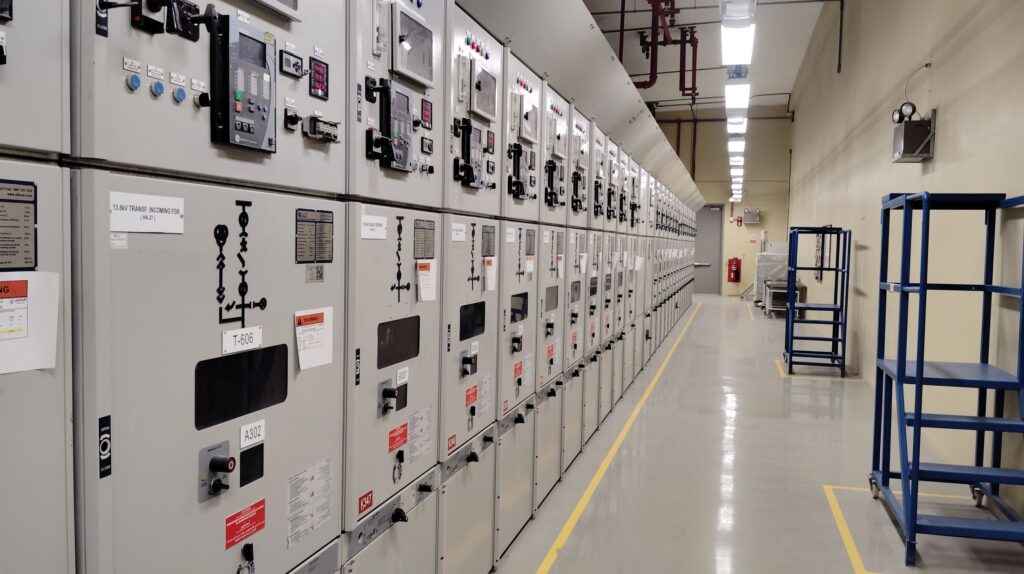
Standard cabinets cover common sizes cheaply, but a custom enclosure earns its cost when a stock box does not fit: an odd footprint, an internal layout matched to your boards, airflow sized to your heat load, mounting points for your installation, and your brand on the door. Where those constraints matter, builds based on our industrial cabinets and enclosures range are cut to your dimensions and detailed to your drawing.
3. Design and Material Choices
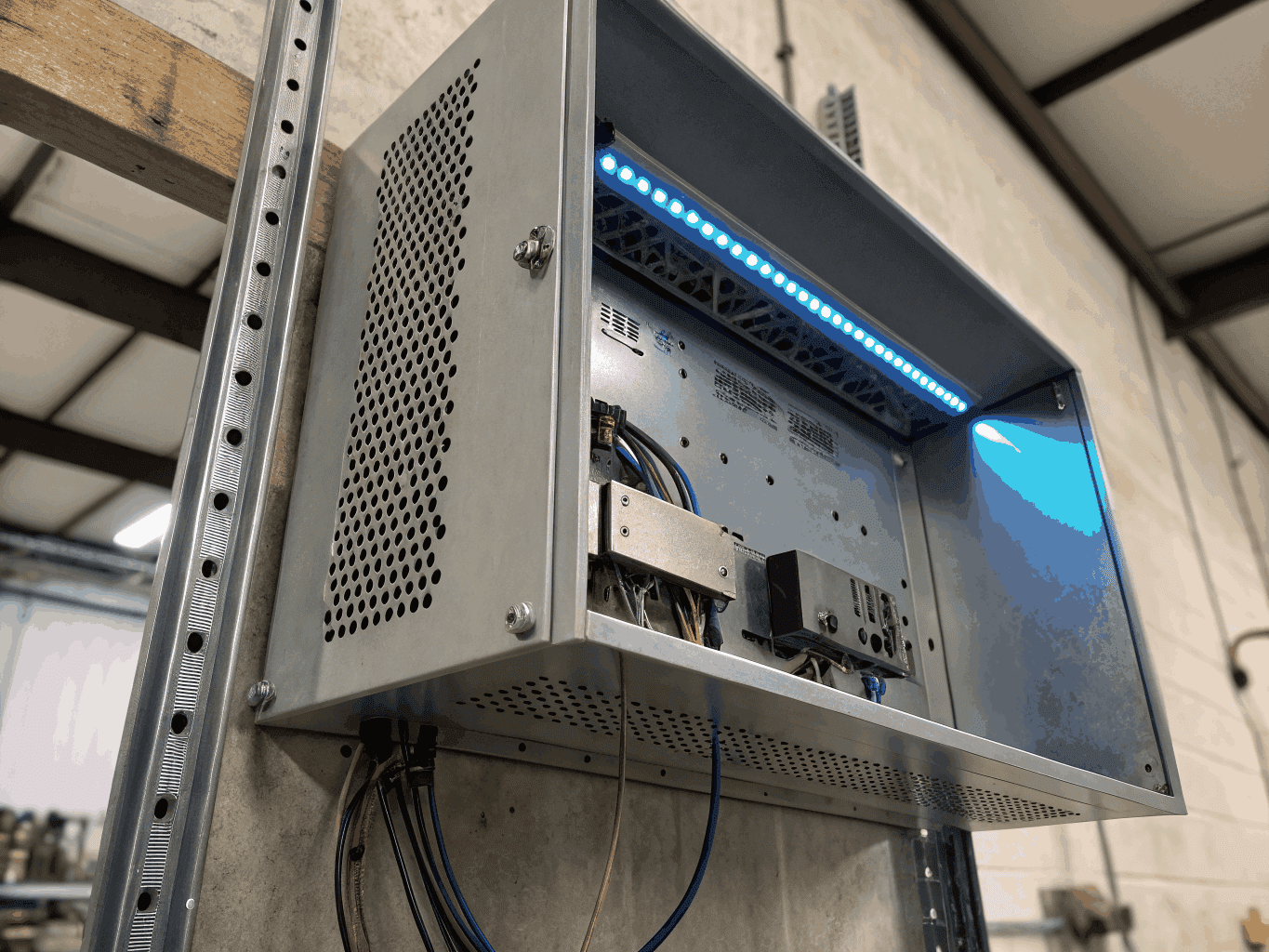
Three material families dominate enclosure sheet metal:
| Material | Strengths | Typical Use |
|---|---|---|
| Carbon steel | Strong, affordable, easy to weld and coat | Indoor cabinets, painted outdoor housings |
| Stainless steel 304/316 | Corrosion and chemical resistance | Food, marine, washdown, coastal outdoor |
| Aluminum | Light, corrosion resistant, conducts heat | Transport, telecom, heat-dissipating chassis |
Thickness typically runs 1.0–3.0 mm. Small indoor control boxes commonly use 1.0–1.5 mm sheet; large free-standing cabinets and load-bearing frames use 2.0–3.0 mm. The rule is simple: thick enough to hold shape and load, thin enough to control cost and weight.
Protection is expressed as an IP (Ingress Protection) rating — two digits for solid-particle and water resistance under the international IP code. Define the environment first: the rating drives gaskets, door seals, and cable entries.
4. Manufacturing Process
Enclosure fabrication follows a standard flow:
- Blanking — laser cutting or CNC punching cuts flat parts with holes, vents, and cutouts.
- Bending — press brakes fold parts into panels and frames; automated panel bending keeps high-volume angles repeatable.
- Welding — seams, brackets, and studs are joined, then ground smooth where visible.
- Surface treatment — cleaning, pretreatment, and powder coating or plating protect the metal.
- Assembly — hardware, doors, seals, and internals are fitted and function-checked.
Dimensional risk concentrates in the first three steps: if blanking and bending are off, doors will not align and panels will not seal. SafeFaber keeps cutting, forming, welding, and finishing in one facility so tolerances carry through a single process chain.
5. Standards and Quality Considerations
Three topics matter on nearly every enclosure project:
- IP rating — match protection to the environment. Indoor electrical enclosures commonly specify IP54 or higher, while outdoor and washdown positions need stronger protection, UV-stable coatings, and gaskets that keep their compression over time.
- Grounding and safety — a clearly marked ground point protects operators and supports compliance with equipment safety requirements. Earth studs, bonding between doors and frame, and clean wire routing are design features, not afterthoughts.
- EMC shielding — where electromagnetic compatibility matters, continuous contact between panels, conductive gaskets, and careful seams provide the shielding path. The basics of electromagnetic shielding apply to any cabinet.
Quality control follows the same logic on every order: first-article inspection against the drawing, dimensional checks on critical mounting points, weld and surface inspection, and a documented assembly test for door fit and sealing. A prototype catches layout and tolerance issues before production commits the design.
What to Put in an Enclosure Specification
A specification that lists fifteen items gets a comparable price from every supplier. A specification that says "custom enclosure, aluminium, please quote" gets fifteen different prices and three different products. This is the list worth filling in before the enquiry goes out.
| # | Item to specify | What to write | What it decides |
|---|---|---|---|
| 1 | External dimensions | Width x depth x height, and which dimensions are fixed by the site versus negotiable | Shipping size, nesting, and whether the enclosure fits the door it has to pass through |
| 2 | Internal envelope | What has to fit inside, plus the clearances it needs around it | Whether the cabinet is buildable at the external size requested |
| 3 | Material and grade | Cold-rolled steel, galvanised steel, 5052 aluminium or 304 stainless — and why | Corrosion strategy, weight, and weldability |
| 4 | Sheet thickness | Per panel if it differs; note any panel carrying load or exposed to impact | Rigidity, weight, and whether the frame needs reinforcement |
| 5 | Construction method | Welded frame, folded and riveted, or knock-down | Price and lead time more than any other single item |
| 6 | Ingress requirement | The performance the enclosure must be built to, and which joints it applies to | Single-wall versus double-wall, gasket path, and sealing process |
| 7 | Fire or thermal requirement | Whether insulation, a double wall or a specific internal temperature matters | Whether fireproof interlayer construction is required from the start |
| 8 | Doors and access | Hinge side, hardware, lock type, and whether doors must be removable | Hinge reinforcement, door rigidity, and service access |
| 9 | Cutouts and interfaces | Cable entries, gland plates, fan cut-outs, connectors — with positions, not just sizes | Tooling, reinforcement, and whether cutouts weaken a load-bearing panel |
| 10 | Grounding | Earth stud size and location, bonding points between panels and doors | Whether bonding hardware is fitted in the factory or on site |
| 11 | Finish system | Pretreatment plus powder coat or plating, colour, and the environment it has to survive | Service life and whether the coating survives UV, salt or chemical exposure |
| 12 | Marking | Labels, silk screening, asset tags and where each one goes | Whether marking happens before or after coating |
| 13 | Tolerances | Which dimensions are critical and by how much; general tolerance standard for the rest | Whether parts assemble on the line or need rework |
| 14 | Inspection and documentation | Dimensional checks, weld checks, finish checks, and what paperwork ships with the parts | Whether your integrator and test laboratory get what they need |
| 15 | Packaging and delivery | Protective film, crating, and whether parts ship flat or assembled | Damage rate and landed cost |
Five items that decide the price
If you only tighten up five lines, make them these:
- Construction method (item 5). Welded versus folded and riveted changes both price and lead time more than the material choice does. It also decides whether the enclosure can be repaired on site.
- Ingress and fire requirements (items 6–7). These decide whether a single-wall or double-wall design is required. They cannot be retro-fitted — a cabinet built to hold gaskets and insulation has a different wall structure from one that is not.
- Sheet thickness (item 4). Thin panels need stiffening; thick panels need heavier tooling. Guessing either way costs money.
- Cutout positions (item 9). Size is easy. Position is what needs tooling and what fails at assembly.
- Tolerances (item 13). Every dimension marked critical is a dimension that will be inspected, and inspection time is in the price.
What goes wrong when an item is left blank
| Left blank | What happens | Real cost |
|---|---|---|
| Construction method | Supplier quotes folded, you needed welded — or the reverse | Full re-quote or a redesign after the PO |
| Ingress / fire requirement | Single-wall cabinet arrives where gaskets and insulation were needed | Cannot be retro-fitted; new cabinets |
| Cutout positions | Correct sizes, wrong locations | Rework, patching, or scrapped panels |
| Tolerances | Every dimension treated as critical, or none of them | Either an inflated price or parts that will not assemble |
| Finish environment | Indoor-grade coating specified for a coastal site | Chalking and corrosion within the first years of service |
If you are not sure what a given item should say, send the drawing and the application and let the fabricator propose a value — a DFM review usually surfaces two or three items that were left open. See also IP and NEMA ratings explained for enclosure buyers for the ingress item in detail.
6. Custom Features
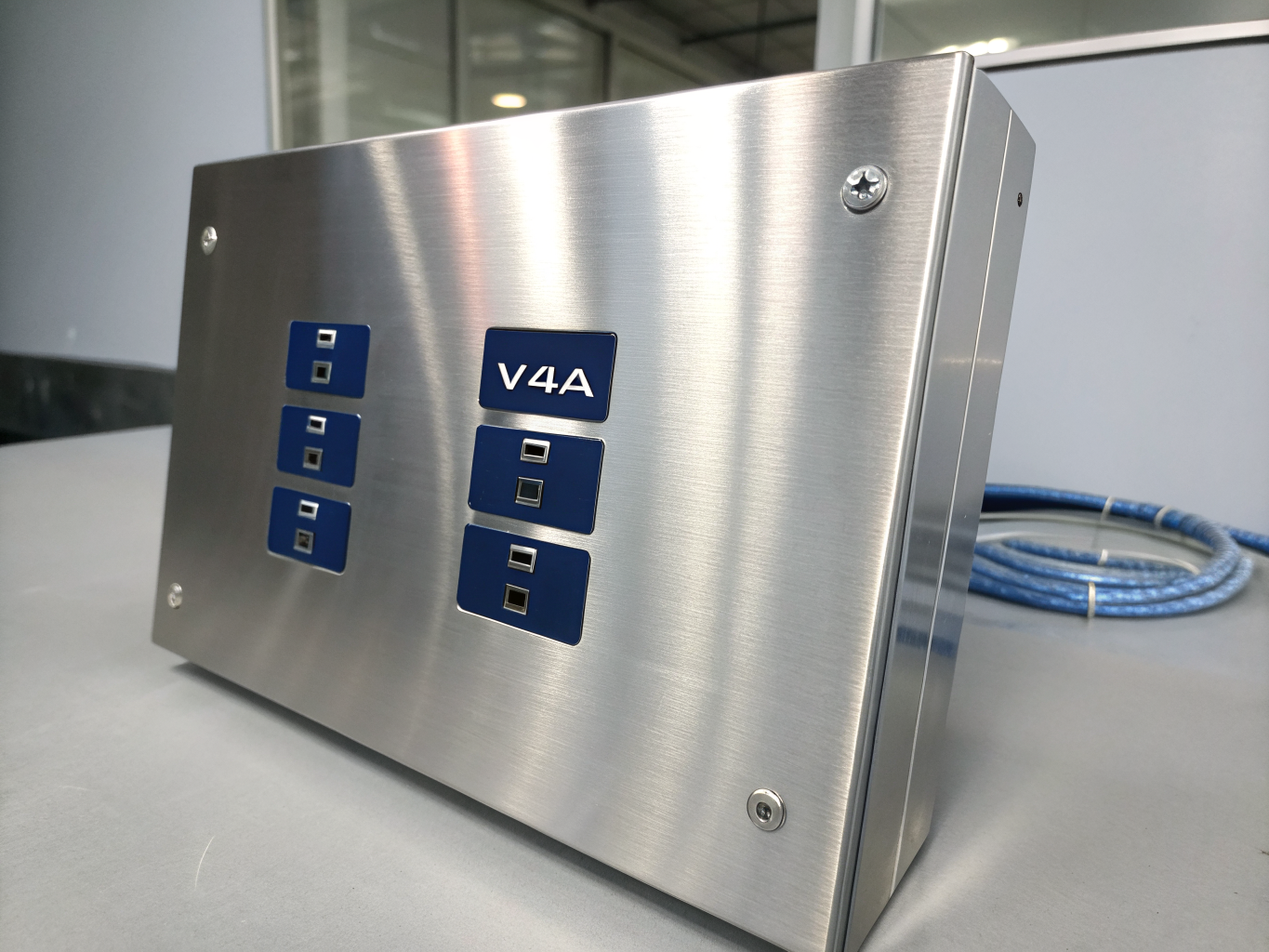
A custom enclosure absorbs the options that standard catalogs cannot combine:
- Ventilation — louvers, perforated panels, and fan mounts sized to the heat load
- Access — hinged, lift-off, or sliding doors with lock types matched to access control
- EMC gaskets — conductive seals fitted in pre-formed channels for shielded builds
- Mounting — DIN rails, 19-inch rack rails, and brackets positioned to your exact modules
- Cable management — gland plates, strain relief, and interior routing guides
- Branding — silkscreened logos, warning labels, and nameplates applied at the end of the line
All of these affect the drawing, the tooling plan, or the assembly steps — so they are cheapest to decide at design time, not after production starts.
7. Frequently Asked Questions
Q1: What is the difference between custom and standard enclosures?
Standard enclosures are catalog products in fixed sizes with fixed internal layouts. Custom enclosures are engineered to your dimensions, thermal load, mounting, and finish — detailed to your drawing.
Q2: What IP rating do I need?
It depends on the environment. Indoor control panels commonly specify IP54; outdoor, washdown, or dusty locations need higher ratings. State where and how the enclosure will be used and the rating decision follows.
Q3: How thick should enclosure sheet metal be?
1.0–3.0 mm is typical. Small indoor boxes commonly use 1.0–1.5 mm; large cabinets and load-bearing frames use 2.0–3.0 mm.
Q4: Can you make a prototype?
Yes. Prototype quantities validate fit, thermal behavior, and finish before production. Send a drawing and we will review and quote the prototype run.
Q5: How long does enclosure fabrication take?
Prototypes typically ship in 1–3 weeks. Production batches depend on complexity, surface treatment, and volume; timing is confirmed with your quote.
Q6: Do you offer assembly?
Yes. SafeFaber provides partial or full assembly — hardware fitting, internal mounting, and functional checks — so enclosures arrive ready to install.
Q7: How do I get a quote?
Send 2D drawings or 3D models, target quantity, operating environment, and finish requirements. Those four inputs are enough for an initial review and quotation.
8. Conclusion
Custom enclosure development comes down to specification. Material, protection, tolerances, and features decided up front make manufacturing predictable; decided late, they cause rework.
SafeFaber fabricates custom enclosures for industrial, electrical, and energy applications with in-house cutting, bending, welding, finishing, and assembly — one supplier, one quality standard, one delivery. Send your drawings for design review and a quotation.
Related guides: screen-printed markings.