ASTM B633 Zinc Plating: What the Standard Covers
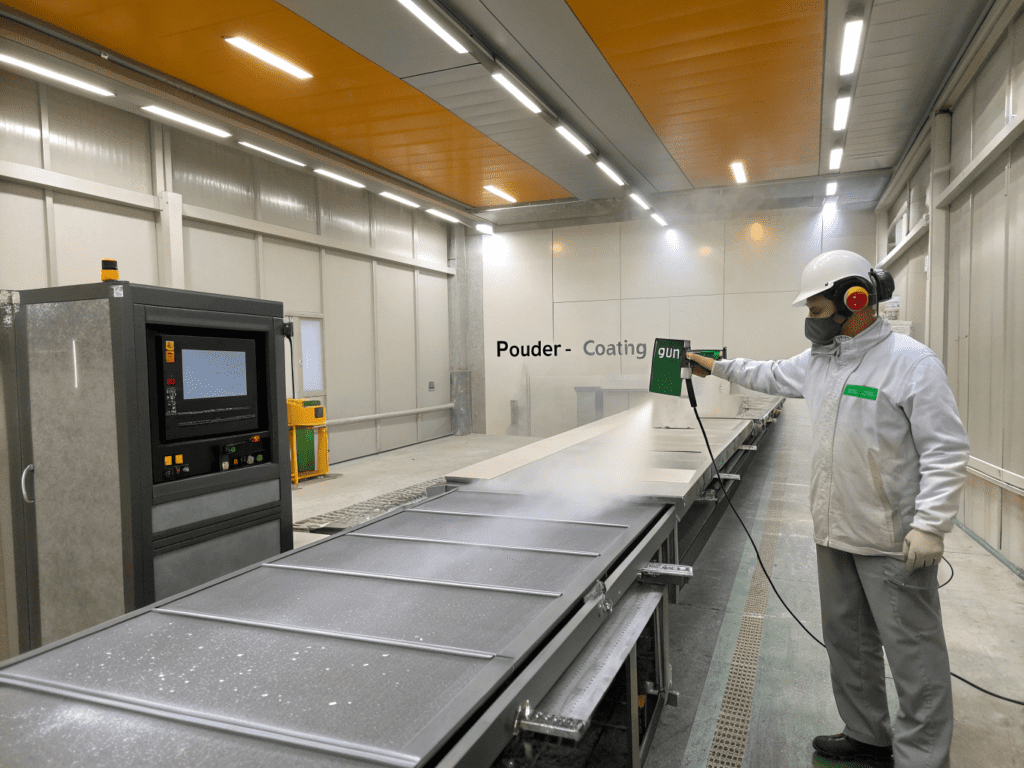
ASTM B633 Zinc Plating: What the Standard Covers
Quick answer: ASTM B633 is the standard specification for electrodeposited zinc coatings on iron and steel parts. It defines how a coating is designated — basis metal, coating, thickness class, and type of supplementary treatment — plus the minimum coating thickness for each service condition and requirements for appearance, adhesion, and embrittlement relief. It is a finish specification, not a company certification, and it is not the same as hot-dip galvanizing. Our in-house surface finishing is powder coating; zinc plating is quoted and confirmed per project.
1. What ASTM B633 Covers
ASTM B633 is written for parts, not for sheet or strip. It applies where zinc is electrodeposited onto iron or steel, and it covers four things:
- The designation system. Basis metal, coating, a thickness class, and a type for the supplementary treatment.
- Minimum coating thickness for each service condition class the standard defines.
- The supplementary treatment applied over the zinc: a chromate conversion coating of a stated color, or a phosphate treatment.
- Quality requirements. Appearance, adhesion, and — where the drawing calls for it — relief of hydrogen embrittlement.
Scope matters as much as content. B633 is not the standard for hot-dip galvanizing, for mechanically deposited zinc, or for zinc alloy coatings such as zinc-nickel, each of which has its own specification. Naming the wrong family is a common reason a quotation does not match the request, because coating thickness, process, and cost differ between them, and B633 itself is revised over time — the edition named on your drawing is the one that applies.
2. Reading the Designation: Fe, Zn, Class, and Type
"Zinc plate Type II" is not a specification. Type numbers are defined by the standard you name, and other standards and OEM specifications number them differently, so a workable callout reads: `Zinc plating per ASTM B633, Fe/Zn 12, Type III`. That gives the finisher the standard, the thickness class, and the treatment in one line. Read the minimum thickness for your class from the edition your drawing calls out, and treat it as a drawing requirement rather than a workshop default.
Chromate conversion coatings are also where restricted substances matter: hexavalent chromium is restricted under RoHS, so most current specifications call for trivalent chromate. Trivalent and hexavalent coatings differ in color and corrosion performance, so state the treatment you need rather than only the color you want. For a closer look at how the common plating types differ in practice, see zinc plating types.
3. Choosing a Service Condition Class
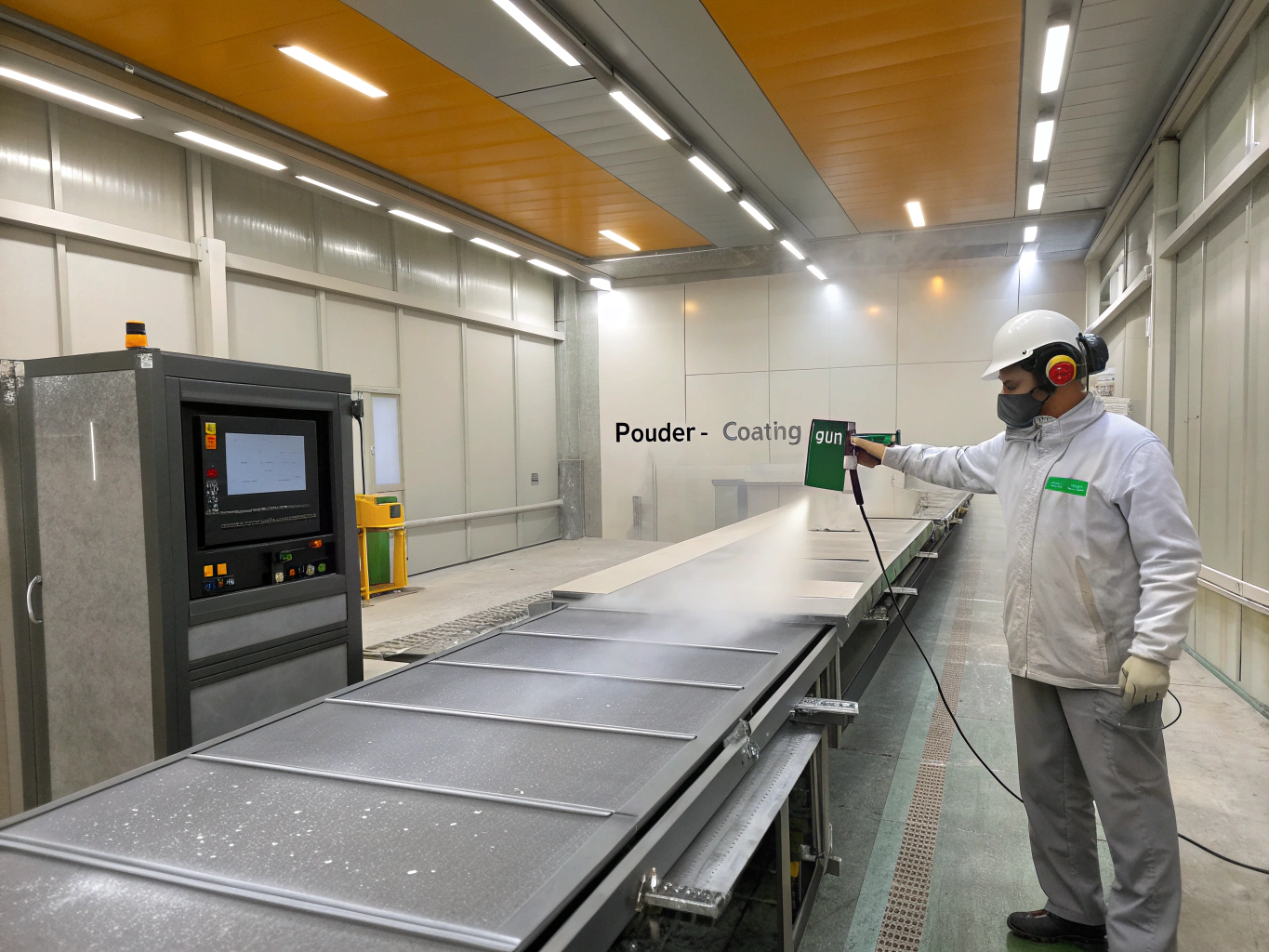
Zinc protects steel in two ways. It is a barrier that keeps the atmosphere off the steel, and it is sacrificial: where the coating is scratched, the zinc corrodes in preference to the steel and keeps the exposed edge protected. Both effects last longer as coating thickness rises, which is why the standard ties thickness to a service condition rather than to appearance.
Class descriptions here are general guidance: the standard fixes the minimum coating thickness for each class, and corrosion test or salt-spray requirements belong in the project specification, agreed per part. We publish no standing coating thickness figure; a required class is confirmed per project.
Geometry matters as much as the class. Plating builds on every surface it reaches, recesses receive less than flat faces, and threads grow on both flanks. If a threaded or close-fitting feature must assemble after plating, say so on the drawing: the thread class you specify governs, and the finisher needs to know whether threads are masked.
Numbers in this guide are general engineering references; your drawing and the standard it calls out govern the part we manufacture.
4. B633 Versus Hot-Dip Galvanizing
Both coatings are zinc, but they are not interchangeable, and the differences are mechanical rather than cosmetic.
Choose electroplated zinc when the part is small, dimensionally tight, or threaded. Choose hot-dip galvanizing when the part is structural and a heavy, long-service coating matters more than dimensional change. Where a project needs both, plan the finishing route per part; our galvanized steel guide covers how galvanized material behaves in fabrication.
5. Hydrogen Embrittlement and Why Baking Is Specified
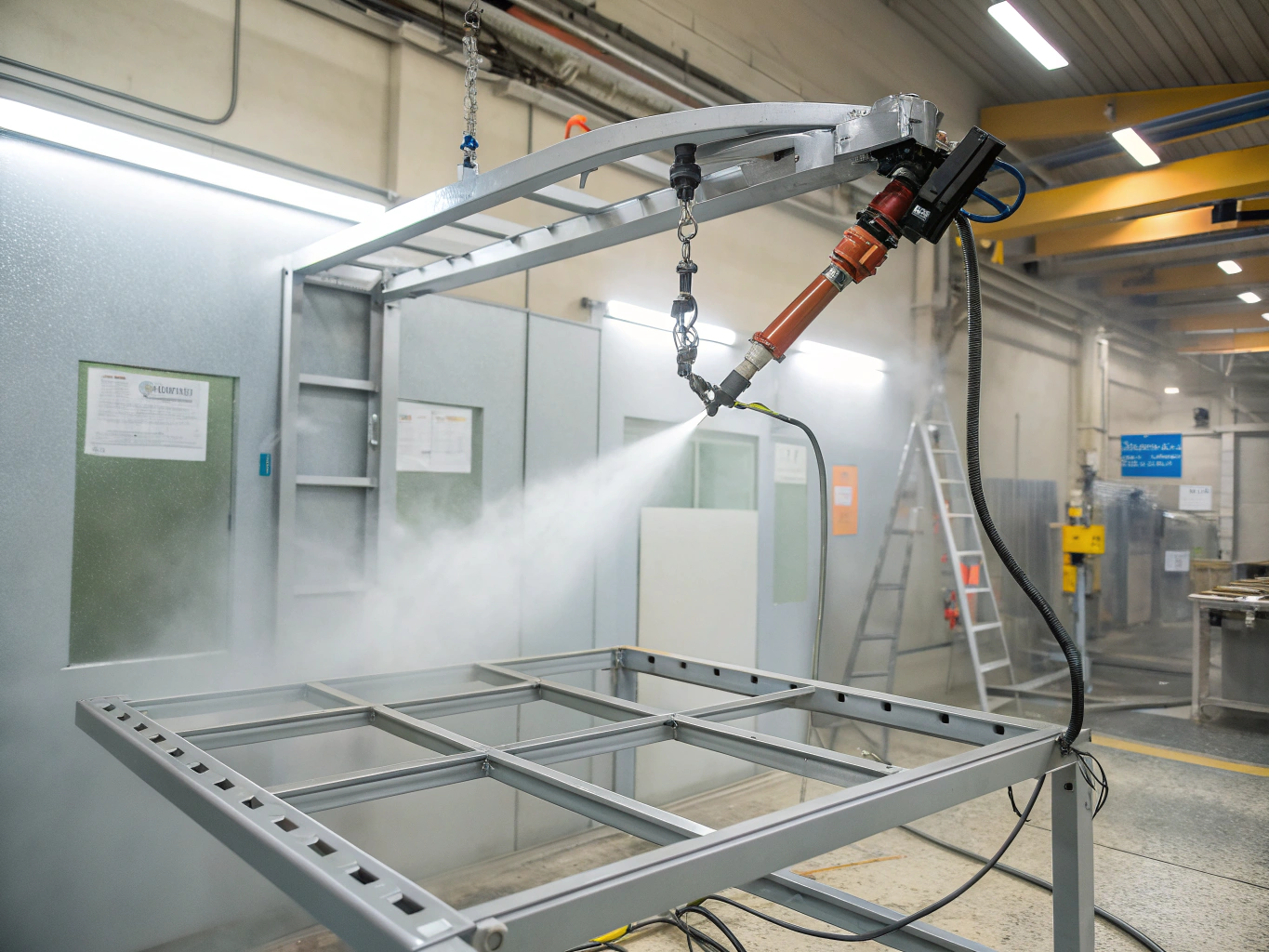
Acid pickling and electroplating both generate hydrogen at the steel surface, and some of it diffuses into the metal. In high-strength steel this can cause delayed cracking: the part passes inspection, then fails under sustained load days later with no visible warning. Low-carbon mild steel sheet is far less susceptible, but fasteners, springs, and hardened parts are not.
What the standard expects, and what your drawing should carry:
- Identify susceptible parts at drawing stage — high-strength fasteners, spring steel, hardened washers.
- Require embrittlement relief baking in the finish callout so the finisher plans for it.
- The standard and your specification set the bake temperature, duration, and how soon baking follows plating. Those are requirements, not shop preferences.
- Some grades also need stress relief before plating, a separate operation.
- Keep the record — bake time, temperature, and the coating certificate belong in the quality file.
Plating is normally the last step, after forming and welding. If a formed part must be bent again after plating, expect the coating to crack along the bend; specify the sequence. Where plated parts also carry installed hardware, our functional hardware work is quoted per part.
6. Incoming Inspection, and How We Quote the Finish
Checks that catch most coating problems before assembly:
- Appearance and adhesion — uniform color and coverage, no bare patches, blisters, white corrosion product, or rack marks on visible faces, with a bend, tape, or burnish test agreed at order stage so pass and fail are defined in advance.
- Thickness — measured on flat areas with a coating gauge or an agreed coupon method, at locations agreed in advance, because edge and curved readings behave differently.
- Coverage into recesses and threads, with thread fit gauged to the thread class on your drawing, because plating adds material to both flanks.
- Documentation — a coating certificate stating the standard, class, and type, with a baking record where embrittlement relief was required.
SafeFaber's in-house surface finishing is powder coating. Zinc plating is quoted and confirmed per project, including the thickness class, the type of supplementary treatment, and the certificate you need — the route is confirmed in the quotation, not at delivery. Parts we fabricate are laser cut 0.5–20 mm, CNC punched, CNC bent up to 3 m, MIG/TIG/spot welded, powder coated, and assembled turnkey; the metal surface treatments page explains how finishing is handled, and most plated parts begin as carbon steel sheet metal fabrication. Tolerances are per your drawing.
Frequently Asked Questions
Q1: What is ASTM B633?
ASTM B633 is the standard specification for electrodeposited zinc coatings on iron and steel parts. It defines the coating designation, the minimum thickness for each service condition class, the supplementary treatment types, and requirements for appearance and adhesion.
Q2: What does Fe/Zn 12 mean on a drawing?
Fe is the iron or steel basis metal, Zn is the electrodeposited zinc coating, and the number is the thickness class that matches the service condition. Always quote the standard and edition with it, and read the minimum thickness for that class from the edition you are working to.
Q3: Is ASTM B633 the same as hot-dip galvanizing?
No. B633 covers electrodeposited zinc, a thin and tightly controlled coating that suits threaded and close-tolerance parts. Hot-dip galvanizing produces a much heavier coating under its own specifications. Choose by part size, dimensional change, and service environment.
Q4: Can SafeFaber supply parts zinc plated to ASTM B633?
Yes, quoted and confirmed per project. Our in-house surface finishing is powder coating, so zinc plating is arranged through our supply chain and confirmed in the quotation with the thickness class, treatment type, and certificate.
Contact SafeFaber with your drawing and finish callout, and we will confirm the plating route, thickness class, treatment type, and documentation per project.