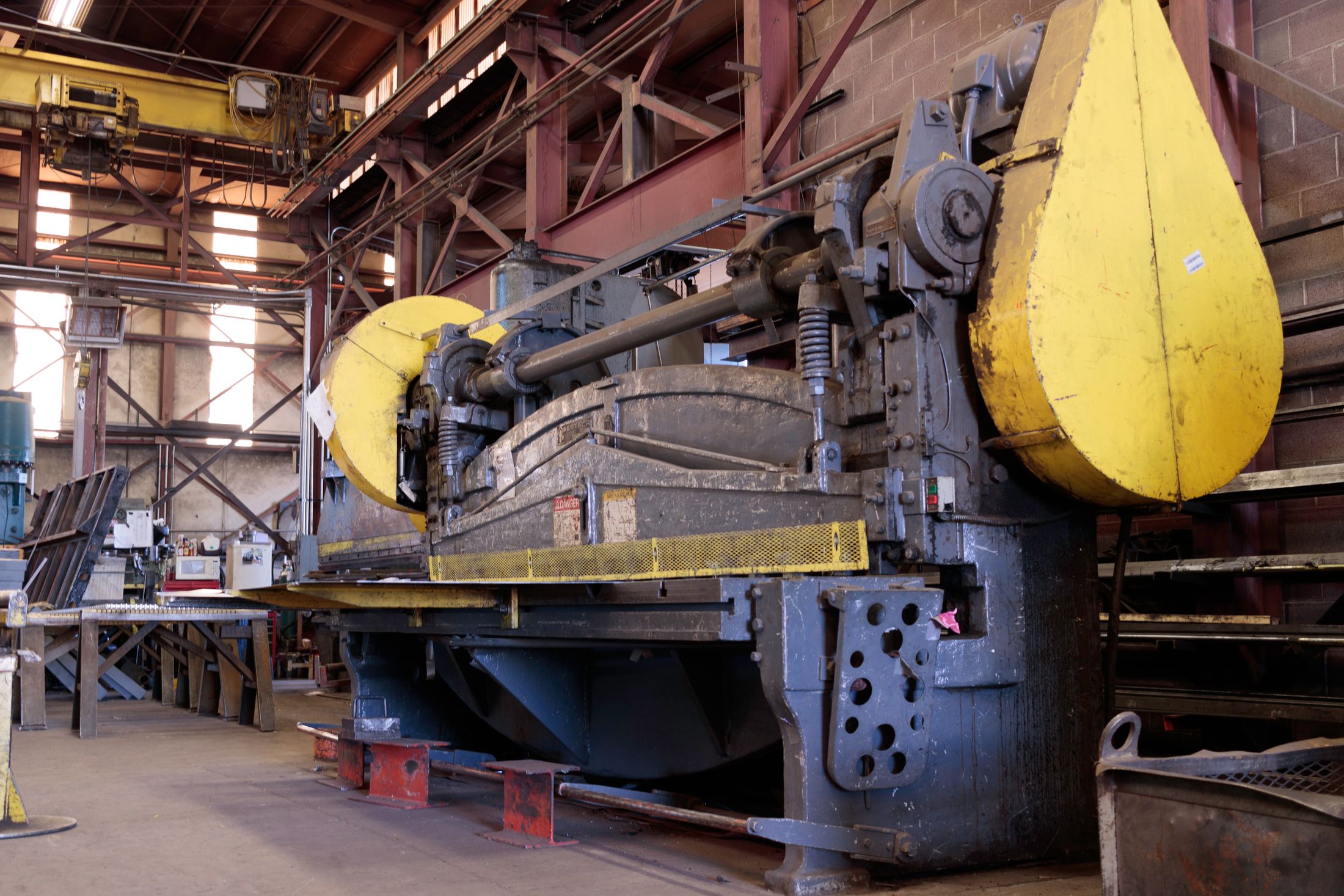
Machine Enclosures and CNC Machine Guards
Precision contract manufacturing for custom machine enclosures, cnc enclosures, machine guard panels, and heavy-gauge structural housings. We fabricate complete protective housings and perimeter guarding to customer drawings using laser cutting, CNC bending up to 3 m, robotic and manual welding, CNC machining, powder coating, and mechanical assembly.
Core Production Standards
ISO 9001:2015 Certified
Certified quality management across fabrication and assembly
Contract Sheet Metal Fabrication
Laser cutting 0.5-20 mm, CNC bending up to 3 m, welding, and finishing
OEM Contract Production
Prototypes in 3-7 business days, production in 2-4 weeks
Machine Enclosures and Machine Guards: What We Build
Machine enclosures and machine guards are critical protective envelopes engineered to isolate moving machinery, contain cutting chips and coolant mist, reduce workplace acoustic levels, and protect operators from pinch points, rotating spindles, and flying swarf. While standard catalog covers rarely fit custom machinery, we specialize in contract sheet metal fabrication built strictly to customer CAD files and engineering prints.
Unlike free-standing electrical cabinets, a dedicated machine enclosure often integrates directly with structural equipment bases, automated material handling, and chip conveyors. Where electrical controls must be integrated directly into the machine frame or an adjacent standalone bay, our capabilities also support custom industrial cabinets and enclosures with precision mounting subpanels, gasketed interfaces, and filtered cooling.
Operator Protection & Containment
Rugged fabricated steel shells contain high-velocity chips, coolant spray, and mechanical hazards, keeping factory shop floors clean, dry, and safe.
Process Visibility & Ergonomics
Formed window cutouts accommodate polycarbonate safety glazing, interlock switches, and sliding door assemblies for uninterrupted cycle inspection.
Integrated Controls & Framing
Enclosure structures incorporate heavy base skids, internal stiffening ribs, cable ducting channels, and integrated bays for an electrical enclosure for machinery.
Enclosure Types We Fabricate
Equipment builders require custom machine enclosures tailored to their machine kinematics, access ergonomics, and factory footprint. As a contract manufacturer, we fabricate custom cnc enclosures, perimeter guards, and control cabinets strictly to customer drawings, ensuring structural stiffness and dependable field operation across diverse industrial automation environments.
| Type | What it protects | Typical construction | Notes |
|---|---|---|---|
| CNC machine enclosure | Milling centers, CNC lathes, grinders, cutting spindles, high-pressure coolant spray, and flying chips | Sheet steel panels, welded tubular or folded structural frame, sliding front doors with safety viewing windows, pitched roof, and chip trough interfaces | Requires oil- and coolant-resistant sealing channels, interlock switch mounts, and mist collector flange connections per drawing |
| machine guard panel | Drive belts, high-speed pulleys, gearboxes, moving mechanical linkages, robotic pinch zones, and perimeter hazards | Formed sheet metal with stiffening flanges, solid sheet or perforated/expanded metal inserts, welded mounting tabs, and lift-off hinge provisions | Designed for fast maintenance removal or hinged swing access; can be fabricated as modular perimeter guard sections |
| control cabinet for machinery | PLC racks, CNC numerical controllers, servo drives, motor contactors, power supplies, and terminal strips | Formed cold-rolled or stainless steel enclosure, removable galvanized subpanel, 3-point latching doors, continuous foam gasket channels, and cable gland plates | Can be frame-mounted directly to the machine chassis or configured as an adjacent freestanding electrical enclosure for machinery |
| automation cell framing | Multi-axis pick-and-place robots, automated indexing tables, pallet conveyors, optical inspection gantries, and end-of-arm tooling | Welded steel structural tube framework with formed sheet infill panels, light curtain bracketry, interlocked access gates, and overhead cable bridges | Fabricated to modular cell footprints; integrates with equipment floor anchors and levelling feet to maintain structural alignment |
| operator console housing | HMI touchscreens, industrial PC motherboards, emergency stop buttons, selector switches, and machine status beacons | Ergonomically angled sheet metal console, laser-cut panel cutouts, swing-arm pendant interface, and rear service access door with key lock | Configured for pendant arm mounting or pedestal floor stands; cutouts hold pushbuttons, indicators, and display bezels to drawing |
| sliding or hinged access door assembly | Work envelopes, tool changers, chuck areas, and maintenance access points during live machine operation | Formed door leafs with perimeter box stiffeners, upper roller tracks or heavy-duty industrial hinges, polycarbonate window clamping bezels, and safety interlock actuators | Precision CNC bending and square welding ensure smooth glide across linear guide rails and tight perimeter seal engagement |
Full Enclosure vs Partial Guarding
Deciding between a full machine enclosure and partial guarding depends on the machining process, containment demands, and human interaction requirements specified in your mechanical drawings:
- Full Enclosure: Completely surrounds the operational envelope on all four sides and top. Ideal for high-speed CNC milling, turning, and grinding where pressurized flood coolant, flying metal chips, and airborne mist must be fully contained. Full enclosures typically feature sliding interlocked doors, chip collection drainage troughs, and upper mist collector ports.
- Partial Guarding: Protects specific hazard zones such as belt drives, rotating shafts, lead screws, or robotic perimeter cells while preserving natural ventilation and quick line access. Built as modular machine guard panels or hinged access gates, partial guards reduce overall weight, streamline assembly, and lower fabricated part cost where full environmental containment is not required.
Materials, Thickness and Finishes
Selecting the right metal alloy depends on structural loads, weight limits, exposure to cutting oils or corrosive washdowns, and the required cosmetic appearance. Across our production operations, laser cutting handles 0.5-20 mm sheet across all materials, allowing us to fabricate both delicate sheet skins and thick structural base plates to customer drawings.
All fabricated parts can be finished using our in-house powder coating and surface treatments, ensuring durable corrosion protection, custom brand color matching, and chemical resistance.
| Material | Typical use | Why it is chosen | Finish |
|---|---|---|---|
| Cold-rolled steel | Internal brackets, operator console housings, CNC machine side skins, hinged door leaves, and removable machine guard panels | Excellent surface flatness, uniform sheet thickness, high dimensional consistency, and optimal paint adhesion for fine powder coatings | Powder coating across standard RAL colors or textured industrial finishes |
| Hot-rolled steel | Heavy-duty structural base frames, thick mounting plates, corner support posts, floor mounting skids, and equipment levelling brackets | High structural rigidity, weld strength for load-bearing structures, and economical mass for absorbing heavy machine tool vibration | Grit blasting followed by industrial epoxy primer and heavy-duty powder coating |
| Galvanized steel | Internal chassis subpanels, floor pans exposed to pooling fluids, coolant splash troughs, and unpainted internal framing brackets | Self-healing sacrificial zinc barrier protection against rust without requiring secondary coating on unexposed interior surfaces | Mill-applied zinc coating as supplied, or post-treated with powder coating |
| Stainless steel 304/316 | Food and pharmaceutical processing guards, chemical washdown enclosures, wet grinding guards, and automation cells | Outstanding corrosion resistance against caustic washdown chemicals, sanitizers, and persistent high humidity; hygienic non-porous surface | Brushed grain finish, passivated raw surface, or chemical-resistant powder coating per drawing |
| Aluminum | Sliding door frames, lightweight top access hatches, portable operator pendant consoles, and perimeter safety panel infills | Lightweight strength reducing mechanical load on door slides and hinges, natural atmospheric corrosion resistance, and ease of manual lifting | Durable powder coating, anodized surface per specification, or raw mill finish |
Sheet Thickness and Gauge Selection
Our CNC fabrication cells support laser cutting of 0.5-20 mm sheet across all materials, giving equipment designers complete flexibility. Thin-gauge sheet is commonly selected for lightweight removable covers and duct transitions, mid-range sheet provides dent-resistant outer paneling and sliding doors, while heavy plate is utilized for bottom mounting flanges, motor beds, and anchor brackets.
Design Features That Matter on Machine Enclosures
A successful machine enclosure must balance strict safety isolation with rapid operator access, clear process observation, and reliable thermal dissipation. Engineering machine enclosures requires meticulous attention to door mechanics, airflow baffles, and structural alignment.
When reviewing customer prints, our engineering team provides design and engineering support to ensure sheet metal bend geometries, fastener access, and sealing channels are optimized for cost-effective contract fabrication.
Access, Doors and Windows
Operator interaction is centered on enclosure doors and viewing windows. Large sliding doors on linear roller tracks allow broad overhead crane access for loading heavy workpieces, while hinged side panels provide quick maintenance access to drive pulleys and pumps. Viewing windows must feature durable clamping bezels with oil-resistant neoprene or EPDM gaskets to securely hold laminated safety glass or high-impact polycarbonate sheets without coolant leakage. In high-frequency electronic machine cells, doors and seams can also integrate gasket profiles engineered for EMI/RFI shielding per customer specification.
Ventilation, Cooling and Cable Routing
Industrial machinery drives generate substantial internal heat that must be exhausted while preventing chip ingress and liquid splashing. We laser-cut precise mounting cutouts for filtered cooling fans, air conditioner units, and top-mounted mist collectors. For passive ventilation, we form integrated sheet metal louvers directly into side panels or door skins. Internal cable raceways, rubber grommet penetrations, and modular bottom gland plates ensure power feeds and sensor cables route cleanly without strain or oil contamination.
Frame, Base and Levelling
Large machine enclosures rely on heavy structural bases fabricated from welded square tubing or heavy-gauge channel sections. Welded base skids incorporate forklift pockets for safe transit, floor anchor holes, and heavy threaded boss plates to accept heavy-duty swivel levelling pads. Proper base levelling ensures long sliding doors remain square, preventing binding, latch misalignment, or premature door roller wear over years of machine operation.
How We Fabricate and Assemble Machine Enclosures
Building heavy industrial machine enclosures and precision machine guard panels requires an end-to-end contract manufacturing infrastructure. We control every stage of production under our certified quality system, transforming raw metal sheet and tubing into complete, fully assembled machine enclosures.
Laser Cutting
Laser cutting processes 0.5-20 mm sheet across cold-rolled steel, stainless steel, and aluminum alloys to customer drawings, delivering clean perimeter profiles, hinge slots, viewing window cutouts, and connector apertures.laser cutting
CNC Punching
Automated turret punching creates repeating perforation patterns, louvers, countersunk screw holes, and embossed knockouts with rapid cycle times and high feature repeatability.
CNC Bending
CNC bending handles lengths up to 3 m, forming multi-bend enclosure skins, return flanges, door stiffeners, and drip channels with repeatable bends to customer drawings.
Welding & Fabrication
Welding joins structural tube frames, corner seams, and mounting brackets. Critical coolant-containment seams receive welded seams per drawing for coolant containment.welding
CNC Machining
Secondary CNC milling and turning create precision mounting pads, tapped hinge bosses, dowel pin locations, and precision linear rail mounting surfaces directly on welded frame assemblies.CNC machining
Powder Coating
In-house automated pre-treatment, washing, and electrostatic powder coating deliver durable corrosion, oil, and chip resistance across customer-specified RAL colors and textures.
Mechanical Assembly
Final integration includes installing sliding door linear tracks, hinges, safety latches, EPDM perimeter gaskets, polycarbonate viewing windows, and cable glands into ready-to-mount assemblies.mechanical assembly
Where Machine Enclosures Are Used
From heavy metal cutting plants to automation cells, custom machine enclosures provide essential worker safety, environmental containment, and equipment longevity. We manufacture custom OEM metal products across global industrial machinery sectors, fabricating strictly to customer drawings.
Machine Tools & CNC Machining Centres
Complete protective enclosures for 3-axis and 5-axis CNC mills, CNC lathes, precision cylindrical grinders, and electrical discharge machines (EDM), containing coolant mist and high-velocity swarf.
Automation Cells & Robotic Systems
Welded tube safety frames, interlocked perimeter access gates, and light curtain integration panels surrounding robotic welding, palletizing, and multi-axis assembly arms.
High-Speed Production Lines
Modular machine guard panels, overhead conveyor tunnels, and hinged motor covers preventing operator injury along continuous factory transfer lines and rotary dial tables.
Packaging & Processing Equipment
Stainless steel 304/316 washdown housings for pouch filling machines, cartoning equipment, blister packers, and high-speed bottle capping systems.
Test & Inspection Stations
Isolated enclosures for coordinate measuring machines (CMM), laser metrology benches, automated optical inspection (AOI) gantries, and end-of-line electrical testing fixtures.
Material Handling & Stamping Presses
Heavy-gauge acoustic enclosures, stamping press sound dampening baffles, coil feed guards, and vibratory feeder bowl covers designed to absorb severe vibration.
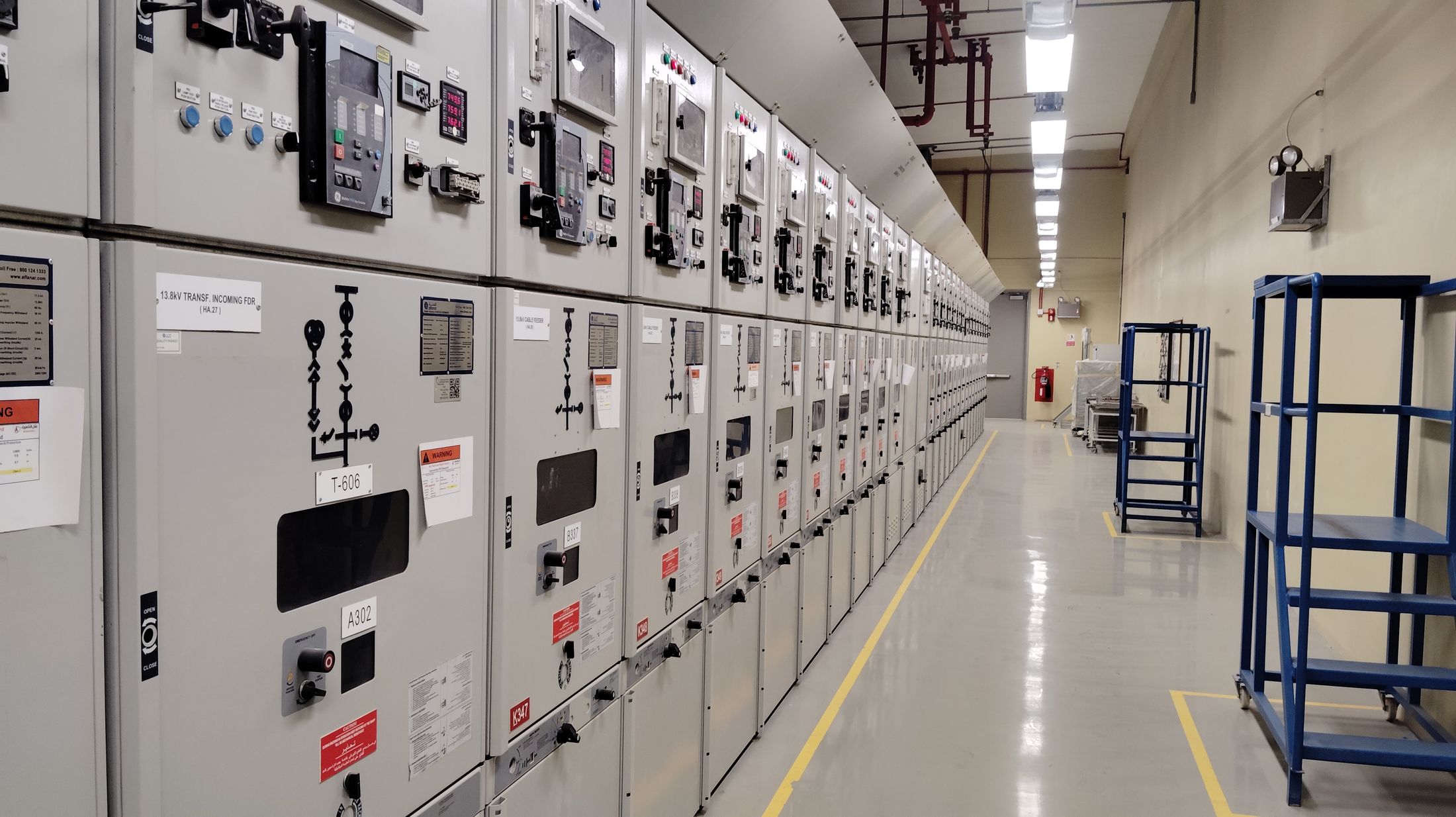
How to Specify a Machine Enclosure on a Drawing
Providing comprehensive technical callouts on your 2D engineering drawings and 3D CAD models accelerates design review, guarantees accurate fabrication, and ensures our engineering team can return an itemized quote within 24 hours.
Because we are a contract manufacturer fabricating strictly to customer drawings, clarity regarding access cutouts, welding methods, and finishing requirements ensures seamless execution from prototype through production.
| What to specify | Why it matters | Notes |
|---|---|---|
| Overall envelope and machine footprint | Defines outer boundary dimensions, clearances around internal machine travel axes, and alignment with factory floor space. | Indicate external width, depth, height, and required internal service clearances relative to moving axes. |
| Material and sheet thickness | Controls structural rigidity, deflection under impact, part weight, and corrosion resistance in wet or washdown environments. | Call out sheet thickness and alloy; laser cutting handles 0.5-20 mm sheet across all materials per drawing. |
| Door / access openings and swing | Dictates loading ergonomics, overhead crane access, maintenance reach, and clearance from adjacent plant equipment. | Specify sliding door roller guides or hinge swing direction, handle locations, and interlock switch mounting tabs. |
| Viewing windows and glazing | Provides operator visibility while ensuring safety containment against flying swarf, broken tooling, or coolant splash. | Define cutout dimensions, bezel clamping method, and window material such as polycarbonate or safety glass. |
| Ventilation, cooling and cable entries | Ensures electrical equipment stays within safe thermal limits while providing strain-relieved, sealed electrical wiring entry. | Indicate louver positions, cooling fan cutouts, air conditioner bolt patterns, and bottom cable gland plates. |
| Mounting, levelling and base | Ensures the enclosure anchors securely to the machine frame or concrete foundation and can be adjusted plumb on uneven floors. | Specify tubular skid dimensions, floor anchor hole patterns, forklift pockets, and threaded boss sizes for levelling feet. |
| Finish, color and surface texture | Provides long-term defense against cutting fluids, oils, and physical abrasion while matching OEM corporate branding. | Provide exact RAL color code, gloss level, and smooth or textured powder coat requirement on print notes. |
| Applicable rating or standard per customer specification | Clarifies environmental sealing, ingress resistance, and safety interlock provisions required by the end application. | Compliance with ingress or safety ratings is per customer drawing callout; we fabricate to customer specifications. |
Quality and Inspection
We operate under an ISO 9001:2015 certified quality management system across all fabrication processes, including laser cutting 0.5-20 mm, CNC bending up to 3 m, punching, welding, CNC machining, powder coating, and assembly. Every machine enclosure is inspected directly against customer drawings to verify dimensional conformity, door alignment, weld integrity, and coating quality.
As a contract manufacturer, we fabricate custom parts strictly to customer drawings. Project documentation requirements, such as material certificates and dimensional inspection reports, are reviewed and agreed per project at quoting.
ISO 9001:2015 Certified
Standardized manufacturing processes governed by our ISO 9001:2015 certified quality management system, maintaining quality control from raw sheet receipt through final mechanical assembly.
Inspection Against Drawing
We perform dimensional and visual inspection against customer drawings to verify overall envelope dimensions, hole centers, flange bend angles, door glide smoothness, and powder coat thickness.
Project Documentation
Documentation requirements, such as material certificates and inspection reports, are discussed and agreed per project at the quoting stage according to customer procurement specifications.
Frequently Asked Questions
Technical and commercial guidance for mechanical engineers, machine builders, and procurement specialists specifying custom machine enclosures and guards.
What is the difference between a machine enclosure and a machine guard?
A machine enclosure is typically a comprehensive housing that encloses the entire machine envelope or machining volume, containing cutting chips, coolant spray, noise, and airborne mist while providing sealed doors and viewing windows. A machine guard is often a targeted panel, cage, or barrier designed to isolate specific mechanical hazard zones such as belt drives, rotating pulleys, or robotic perimeter cells.
What sheet metal materials do you fabricate for machine enclosures?
We fabricate machine enclosures and guards from cold-rolled steel, hot-rolled steel plate, galvanized steel, stainless steel grades 304 and 316, and structural aluminum alloys. Laser cutting handles 0.5-20 mm sheet across all materials, allowing us to build both lightweight covers and heavy structural frames.
Do you build machine enclosures to custom drawings and CAD models?
Yes. We are an OEM contract manufacturer fabricating custom enclosures strictly to customer drawings and CAD files. We do not sell standard off-the-shelf catalog models; every enclosure is fabricated to match your machine kinematics, access requirements, and mounting footprint.
How are ventilation, cooling, and cable routing accommodated in your designs?
We execute precision laser cutouts and formed louvers based directly on your engineering prints. We produce cutouts for cooling fans, air conditioning units, mist collectors, and bottom cable gland plates, and can install internal wiring channels and sealing grommets during mechanical assembly.
What surface finishes and powder coating options do you provide?
We offer in-house automated powder coating across a wide selection of RAL colors, smooth or textured finishes, and chemical-resistant formulations to withstand industrial cutting oils and fluids. Stainless steel parts can also be supplied passivated or with a brushed grain finish per drawing.
What are your standard turnaround times for prototypes and production runs?
We deliver custom machine enclosure prototypes in 3-7 business days once drawings are finalized. Full contract production runs typically ship in 2-4 weeks, depending on order volume and assembly complexity.
How can we request a quote for custom machine enclosures?
Submit your 2D drawings (PDF/DXF) and 3D CAD files (STEP/IGES) along with material, thickness, hardware, and finish specifications through our quote form. Our engineering team reviews your files and provides an itemized quotation within 24 hours.
Request a Quote for Machine Enclosures
Submit your technical drawings and specifications, and we will provide a quote within 24 hours. We are an ISO 9001:2015 certified contract manufacturer delivering prototypes in 3-7 business days and production in 2-4 weeks. You can request a quote directly to get started.
Direct Factory Advantage
24-Hour Quotes
Rapid review of your drawings with detailed quotes returned within 24 hours.
ISO 9001:2015 Certified
Quality management and inspection against customer drawings across all fabrication.
Contract Fabrication
Laser cutting 0.5-20 mm, CNC bending up to 3 m, punching, welding, CNC machining, powder coating, and assembly.