Silk Screening for Sheet Metal Parts: A Buyer’s Guide
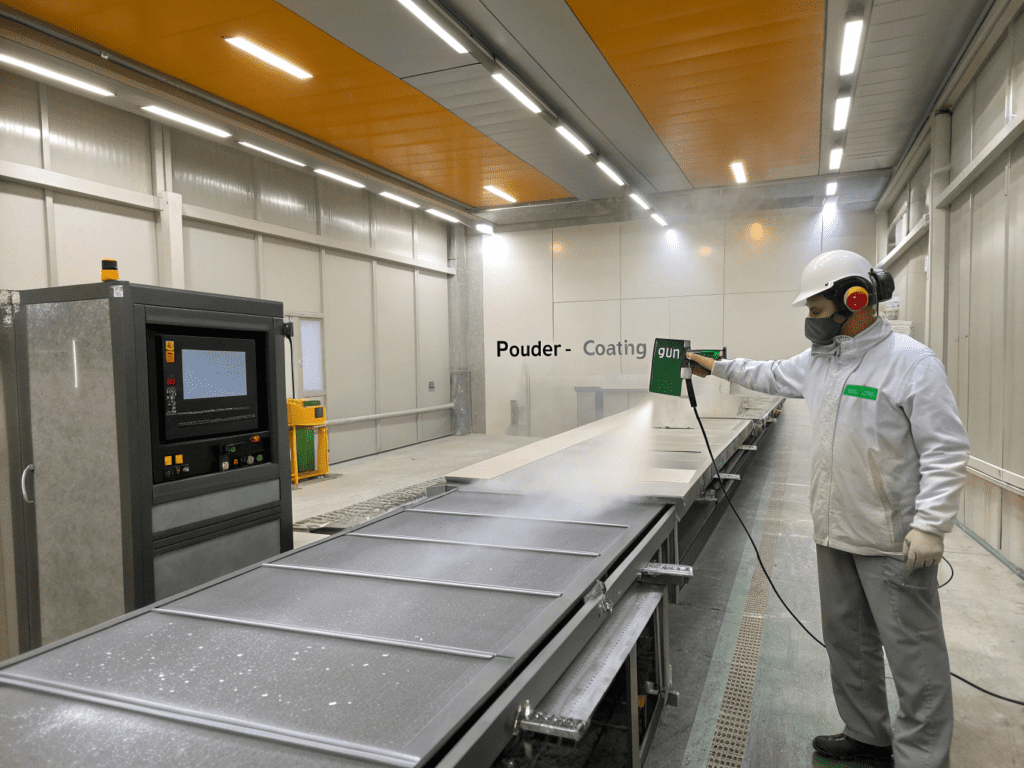
Silk Screening for Sheet Metal Parts: A Buyer's Guide
Quick answer: Silk screening (screen printing) pushes ink through a mesh stencil onto a finished metal panel, so it is chosen for durable, opaque graphics on flat or gently curved parts: logos, port labels, control legends and warning text. It competes with pad printing for small recessed areas, laser marking for permanent single-colour marks, and printed labels for late-stage changes. Cost is driven by screens, colours and setup rather than by part size, so it favours repeat runs. Specify the marking method, colour and location tolerance on your drawing. Ask our engineers how marking fits your production sequence.
1. What Silk Screening Actually Is
Silk screening, more precisely called screen printing, is a stencil process: a fine mesh screen is stretched on a frame, an emulsion is exposed through a film to form a stencil, and ink is squeezed through the open mesh onto the part. One screen equals one colour, so a three-colour logo needs three screens and three passes.
On sheet metal, three characteristics shape every buying decision. It prints on flat or gently curved surfaces, so deep draws and tight recesses are difficult, because the screen must contact the surface. Ink sits on top of the surface rather than changing the metal, so surface preparation and adhesion decide durability. And setup dominates cost: screens, ink mixing and press setup are fixed costs per job, while ink applied per part is cheap.
Screen printing is therefore a repeat-run process: more parts per run means less setup per panel.
2. Silk Screening Compared with the Alternatives
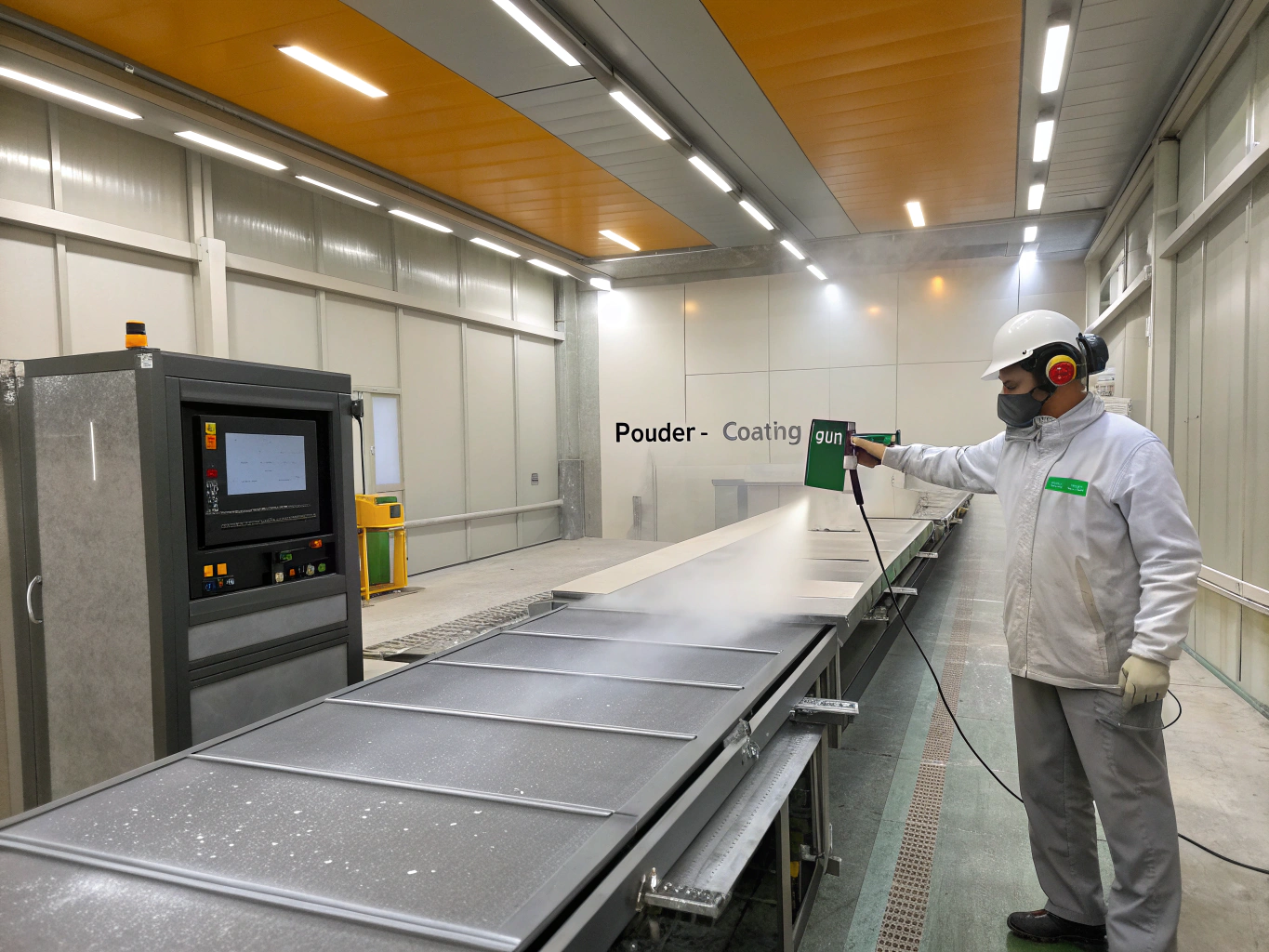
A common strategy combines methods: screen printing for the brand and panel legends, laser marking for serial numbers, and labels for content that changes often. Screen printing with the right ink and full cure resists abrasion and cleaning chemicals, laser marking into the metal is the most permanent option, and labels are the weakest link in harsh service. Labels or pad printing usually win below a few hundred parts with frequent artwork changes; above that, screen printing's setup amortises and per-part cost falls.
3. Where Silk Screening Appears on Enclosures and Panels
Typical applications on industrial equipment: brand and model identification on doors and covers; control legends for switch functions and units; port and terminal identification on electrical control cabinets; safety text such as hazard warnings, grounding marks and lifting points; short operating notes printed on the panel; and rack or bay numbering for telecom, server and industrial enclosures.
In many of these cases the print is functional, not decorative. A mislabelled terminal block is a maintenance hazard, and a warning that rubs off after a year of cleaning is a compliance problem waiting to happen, so print specification belongs on the drawing.
4. What Silk Screening Needs From Your Surface Finish
Screen printing on metal is an adhesion problem before it is a printing problem, so the finish sequence matters as much as the printer's skill.
Print after coating, not before. For painted and powder-coated panels the normal sequence is fabricate, pretreat, coat, then print: printing on bare metal and coating over it hides the graphics. Print quality then depends on the coating texture — smooth, low-gloss coatings give the most consistent ink laydown and registration, heavy textures can make ink sit unevenly, and masking keeps contact surfaces and threads free of coating. State the sequence on the drawing.
Our metal surface treatments process covers pretreatment and coating; the print step is specified separately so the sequence is planned before production starts.
Cure and adhesion belong to the specification. Every ink system has a cure schedule, and under-cured ink fails early. Adhesion and durability acceptance criteria — a tape test, an abrasion test, a chemical resistance test — are defined by the specification called out on your drawing. Confirm the ink system and cure schedule with your printer against that specification.
Substrate variations change the result. Grained finishes show print differently than smooth ones, and anodised or plated surfaces need ink systems intended for that surface, because adhesion on a sealed anodised layer differs from bare aluminium.
5. Artwork and File Preparation
Most printing problems are file problems. Supply artwork that needs no interpretation:
Two rules save the most rework. Dimension the print: do not mark graphics "centred on panel" unless centring is really acceptable, because print position tolerances are commonly looser than sheet metal tolerances. And release one artwork revision at a time, because amending artwork after screens are made means new screens and a new setup charge.
6. Durability and Environmental Exposure
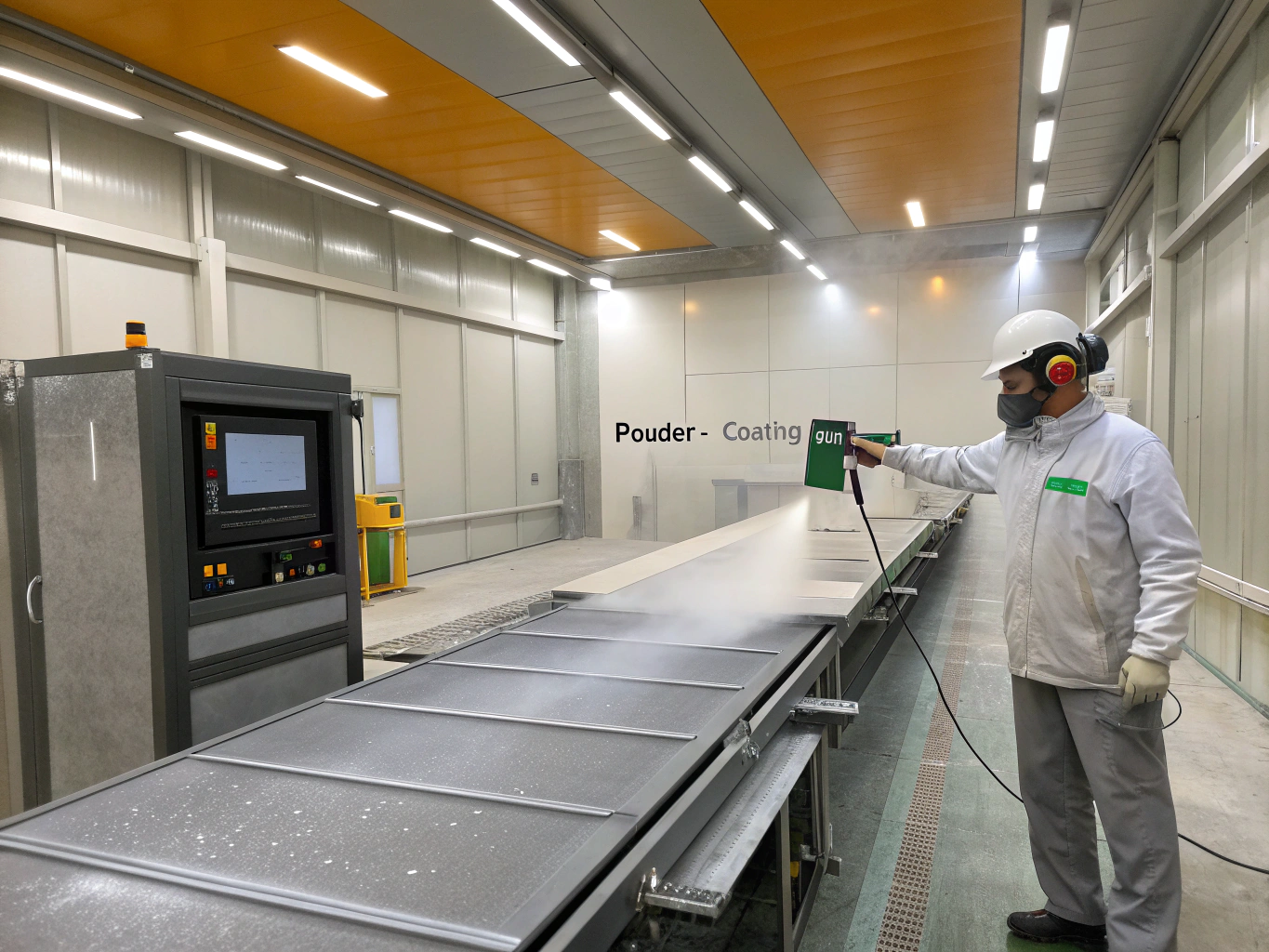
How long a printed panel stays legible depends on the ink system, the cure, the surface preparation and the environment.
- Indoor control cabinets in clean, climate-controlled rooms are the easiest case; well-cured ink lasts the life of the equipment.
- Industrial plants add oils, coolant mist and abrasive dust plus frequent wiping, so solvent-resistant inks matter.
- Outdoor enclosures add UV, rain, temperature cycling and coastal salt, so UV stability, colour fading and edge adhesion become design considerations.
- Washdown and food environments add aggressive chemicals and high-pressure sprays, so the ink system is critical and durability is verified against the specification called out on your drawing.
Sooner or later print wears, so design for it: keep critical legends away from door edges and handles, avoid printing across seams or around sharp bends, and consider a recessed area or clear coat where a mark must survive heavy handling. Where safety text must stay legible for the life of the machine, choose a durable method at the start.
7. What to Include in an Ordering Package
- Part drawing with material, thickness and finish
- Marking method: screen printing, pad printing, laser marking or label
- Vector artwork with colour references and a revision number
- Colour count, and whether colours must match an existing family
- Print locations and position tolerances, dimensioned from a datum
- Surface finish specification, including texture and gloss expectation
- Sequence instruction: coat then print, plus any masking requirements
- Quantity, and whether the run may repeat, so screens can be kept
- Service environment, so the ink system can be matched to it
Our design engineering team reviews drawings free of charge and flags anything that cannot be produced as marked, including print crossing a bend line or text too small for the intended method.
8. Sourcing Printed Panels Without Surprises
Three supplier behaviours separate a smooth project from a rework cycle: they ask about the environment, so ink and cure recommendations follow from where the equipment is installed; they confirm the sequence, so coating, printing and assembly order is agreed before the first part is made; and they test to your specification, so adhesion criteria are documented.
SafeFaber fabricates the panels and enclosures that carry your graphics. Our sheet metal fabrication covers laser cutting from 0.5–20 mm, CNC punching, CNC bending up to 3 m, MIG/TIG/spot welding, powder coating and turnkey assembly under ISO 9001:2015 through Safety Spacs Ltd., Yantai, China. Marking is specified as a separate finishing step; our engineers will confirm the method, specification and sequence for your drawing, and free DFM feedback comes with every quotation. Quotations return within 24 hours, prototypes in 3–7 business days and batch production in 2–4 weeks.
Frequently Asked Questions
Q1: Is silk screening durable on sheet metal?
It can be very durable when the ink system suits the substrate, the surface is properly prepared and the ink is fully cured. Acceptance criteria are defined by the specification called out on your drawing, and outdoor, washdown or chemical exposure needs an ink system selected for that environment.
Q2: Should panels be printed before or after powder coating?
Normally after coating: fabricate, pretreat, coat, then print, so the graphics sit on the finished surface. Smooth, low-gloss coatings give the most consistent laydown. Confirm the sequence with your fabricator and printer, including masking of contact surfaces and threads.
Q3: When should I choose laser marking or labels instead of silk screening?
Choose laser marking for permanent single-colour marks such as serial numbers where no added material is wanted. Choose labels for low volumes, full-colour graphics or content that changes often. Screen printing suits repeat runs with multi-colour graphics that must resist wear and cleaning.
Q4: How many colours can silk screening handle?
There is no fixed limit, but each colour needs its own screen, pass and registration step, so setup and per-part cost rise with colour count. Two to four colours is the common range for industrial panels; more colours may make labels more economical.
Q5: What drives the setup cost for screen-printed panels?
Screens, ink mixing and press setup: fixed costs per job, while ink and press time per part are small, so unit cost drops sharply as quantity rises. Artwork changes after screens are made require new screens, so freeze the revision before production.
Conclusion: Write the Marking Requirement Down
Silk screening is a strong choice for repeat-run graphics on metal: multi-colour logos, panel legends, port identification and warning text that must survive years of cleaning and use. The right pick follows from colour count, geometry, volume and environment. Whichever method you choose, the outcome depends on what you write down: marking method, colour references, position tolerances, surface finish, production sequence and durability criteria.
SafeFaber supplies fabricated panels, enclosures and assemblies for industrial clients worldwide, with in-house cutting, punching, bending, welding, powder coating and turnkey assembly. Send your drawing, artwork and finish specification for a 24-hour quotation and a review of how marking fits your production sequence.