Expanded Metal: Patterns, Materials and Custom Fabrication
Precision contract manufacturing for expanded metal steel parts, custom machine guards, architectural screens, ventilation grilles, and structural grating. From raw sheet sourcing to CNC laser cutting, press brake forming, framing, and durable protective finishing.
Core Production Standards
ISO 9001:2015 Certified
Operate under certified quality management
Secondary CNC Fabrication
Laser cutting, forming, welding, and framing
OEM Contract Production
Prototypes in 3-7 business days, production in 2-4 weeks
What Expanded Metal Is and How It Is Made
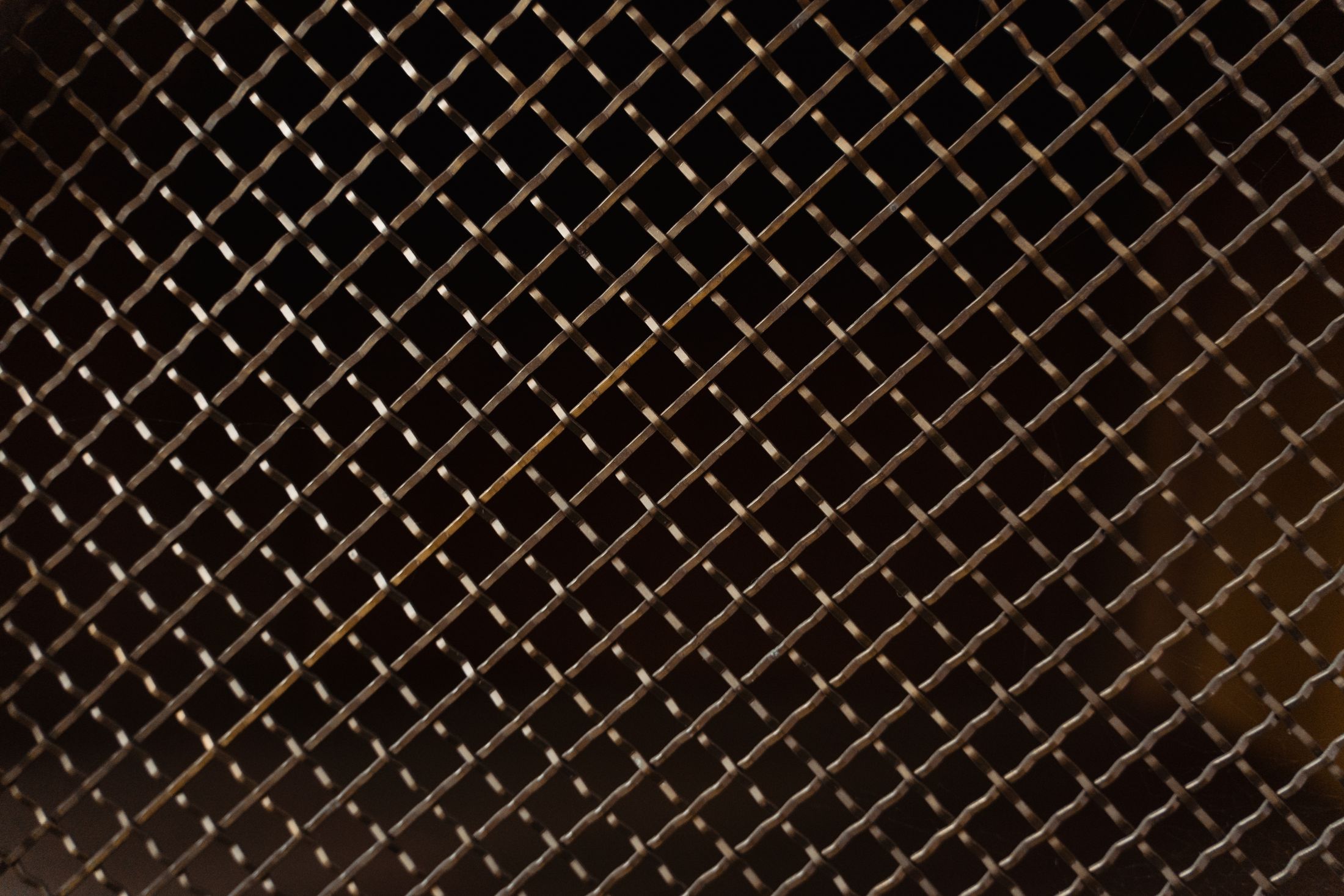
Expanded metal is an open-mesh rigid sheet created by simultaneously slitting and stretching solid sheet metal through specialized knives, expanding the slit into uniform diamond-shaped openings without generating scrap or material waste. Because the process shears and expands the metal in one continuous mechanical operation, the resulting expanded metal sheet retains structural unity without joints or welds.
As a custom sheet metal fabricator, we source raw commercial sheets across diverse alloys and supply secondary sheet metal fabrication services to convert expanded stock into finished, installation-ready OEM components. Engineers often compare expanded geometry against conventional perforated metal sheets when balancing strength-to-weight ratio, structural ventilation, visual shading, and raw material efficiency.
Zero-Waste Expansion
Unlike punched perforations where holes create drop scrap, expanding stretches the solid metal. This yields high open-area ventilation while conserving base raw metal and keeping component weight low.
Continuous Jointless Web
Strands and bonds form an unbroken, monolithic sheet structure. Expanded metal steel parts absorb directional impacts and vibration without unraveling, loose joints, or weld bead fatigue.
Secondary Contract Fabrication
We fabricate to your drawings using laser cutting, punching, CNC bending, welding, machining, powder coating, and assembly.
Expanded Metal Patterns and Mesh Types
Selecting the appropriate expanded metal patterns dictates physical airflow, visual transparency, strength, and tactile feel. Manufacturers classify mesh patterns primarily by diamond size, strand width, and whether the material remains in its regular 3D orientation or undergoes secondary roll flattening.
Whether your project demands heavy catwalk grating or delicate precision micro mesh, we fabricate to your drawings using laser cutting, punching, CNC bending, welding, machining, and powder coating.
| Pattern | Strand width and opening | Typical use | Notes |
|---|---|---|---|
| Standard diamond | Strands set at a natural angle; opening set by the sheet supplied | Machinery guarding, equipment enclosures, security barriers, perimeter screens | Raised profile offers directional rigidity, acoustic scattering, and enhanced slip resistance |
| Flattened | Cold-rolled through flattening mills; smooth flush surface per drawing | Cabinet doors, architectural facades, retail displays, vent louvers, ceiling panels | Smooth coplanar surface prevents snagging and provides a uniform plane for finishing |
| Raised (regular) | As-expanded configuration with angled strands and continuous bonds | Industrial walkways, high-airflow intake grilles, conveyor guards, radiator baffles | Maximum structural stiffness per unit mass; stands slightly thicker than raw base gauge |
| Micro mesh | Fine aperture pattern with micro strands; qualitative tight geometry | Fine air filtration, electronic EMI shielding, acoustic speaker grilles, strainers | Provides controlled airflow and screening while blocking fine debris and particulate ingress |
| Heavy-duty grating pattern | Thicker stock with wider strands and large openings per drawing | Catwalk floors, maintenance platforms, stair treads, drainage trench covers | High load-bearing capacity with bidirectional self-draining diamond openings |
Standard vs Flattened vs Raised Expanded Metal
Understanding the distinction between standard, flattened, and raised expanded metal is vital for mechanical design. Standard expanded metal, also termed regular or raised expanded metal, leaves the expanding press with its strands turned at a sharp angle to the sheet plane. This configuration provides superior multi-directional deflection resistance and enhanced grip, but presents dimensional topography and slightly sharp bond edges. In contrast, flattened expanded metal passes through a secondary cold-reduction leveling roll that presses the angled strands down into a flat plane, slightly elongating the sheet and producing a smooth, tactile surface ideal for architectural screens, cabinet infill panels, and parts with human contact.
Materials and Thickness We Fabricate
Our manufacturing operations process diverse sheet metal materials into precision finished assemblies. We support laser cutting of 0.5-20 mm sheet across carbon steel, pre-galvanized stock, marine stainless steel, and structural aluminum alloys.
From heavy-gauge carbon steel walkways to 316 stainless screens, each raw sheet is paired with precision edge trimming, framing borders, and durable surface treatments such as powder coating, with other surface treatments available per project.
| Material | Thickness range | Finish options | Typical applications |
|---|---|---|---|
| Carbon steel | Laser cutting of 0.5-20 mm sheet; expanded sheet thickness set by the sheet supplied | Powder coating; other surface treatments per project (see surface treatments) | Machine guards, material handling cages, industrial partitions, conveyor screens |
| Galvanized steel | Laser cutting of 0.5-20 mm sheet; expanded sheet thickness set by the sheet supplied | Galvanized coating as supplied; powder coating | Outdoor security fencing, HVAC intake screens, agricultural vents, drainage covers |
| Stainless steel 304/316 | Laser cutting of 0.5-20 mm sheet; expanded sheet thickness set by the sheet supplied | Powder coating; other surface treatments per project (see surface treatments) | Food processing guards, pharmaceutical enclosures, marine grilles, chemical washdown trays |
| Aluminum | Laser cutting of 0.5-20 mm sheet; expanded sheet thickness set by the sheet supplied | Powder coating; other surface treatments per project (see surface treatments) | Architectural sunshades, lightweight electronic vent panels, ceiling tiles, decorative facades |
Raw Sheet Sourcing
We are a contract manufacturer that fabricates to customer drawings and sources the sheet (we do not make the mesh). We source commercial expanded sheets and apply secondary laser cutting, CNC bending up to 3 m, punching, welding, CNC machining, powder coating, and assembly.
Surface Finishing & Powder Coating
Open-mesh strands have sheared edges that require protective finishing. We provide powder coating for fabricated assemblies, with additional surface treatments arranged per project as specified on customer drawings.
Fabrication Services for Expanded Metal Parts
While commercial mills produce standard bulk mesh, we are a contract manufacturer that fabricates to customer drawings and sources the sheet (we do not make the mesh). We fabricate parts to your drawings using laser cutting, punching, CNC bending, welding, CNC machining, powder coating, and assembly.
Whether your project requires perimeter geometries, formed box pans, or U-edging channels, we provide design and engineering support to review drawings for manufacturability and quote within 24 hours.
Cutting Expanded Metal
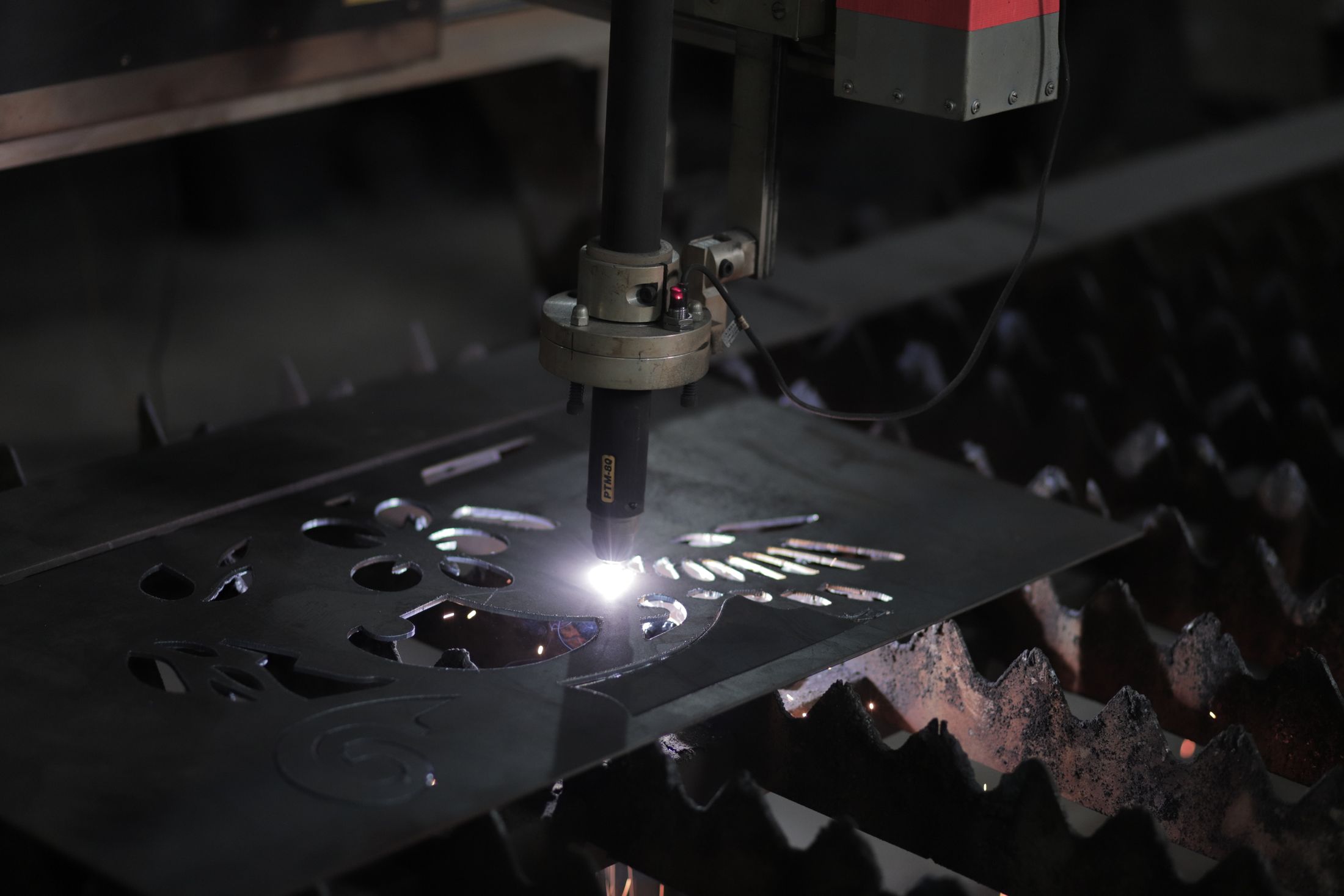
Precision sizing relies on laser cutting of 0.5-20 mm sheet across all materials, punching, and CNC machining. Laser cutting handles diamond web profiles cleanly without pulling or distorting adjacent bonds. This allows clean perimeter borders, internal cutout apertures, and custom corner notches tailored to your drawings.
Bending and Forming Expanded Metal
We perform CNC bending up to 3 m to form flanges, returns, trays, and mounting channels. Forming expanded metal requires accounting for mesh orientation relative to the bend line, ensuring clean formed edges and repeatable part angles according to your drawings.
Framing, Welding and Assembly
Cut expanded edges can be sharp and exposed. We weld solid angle iron, slotted U-edging channels, flat bar strips, or formed sheet borders along the perimeter to frame panels cleanly. Through our welding and assembly services, we affix mounting tabs, brackets, and hardware to deliver complete assemblies.
Where Expanded Metal Parts Are Used
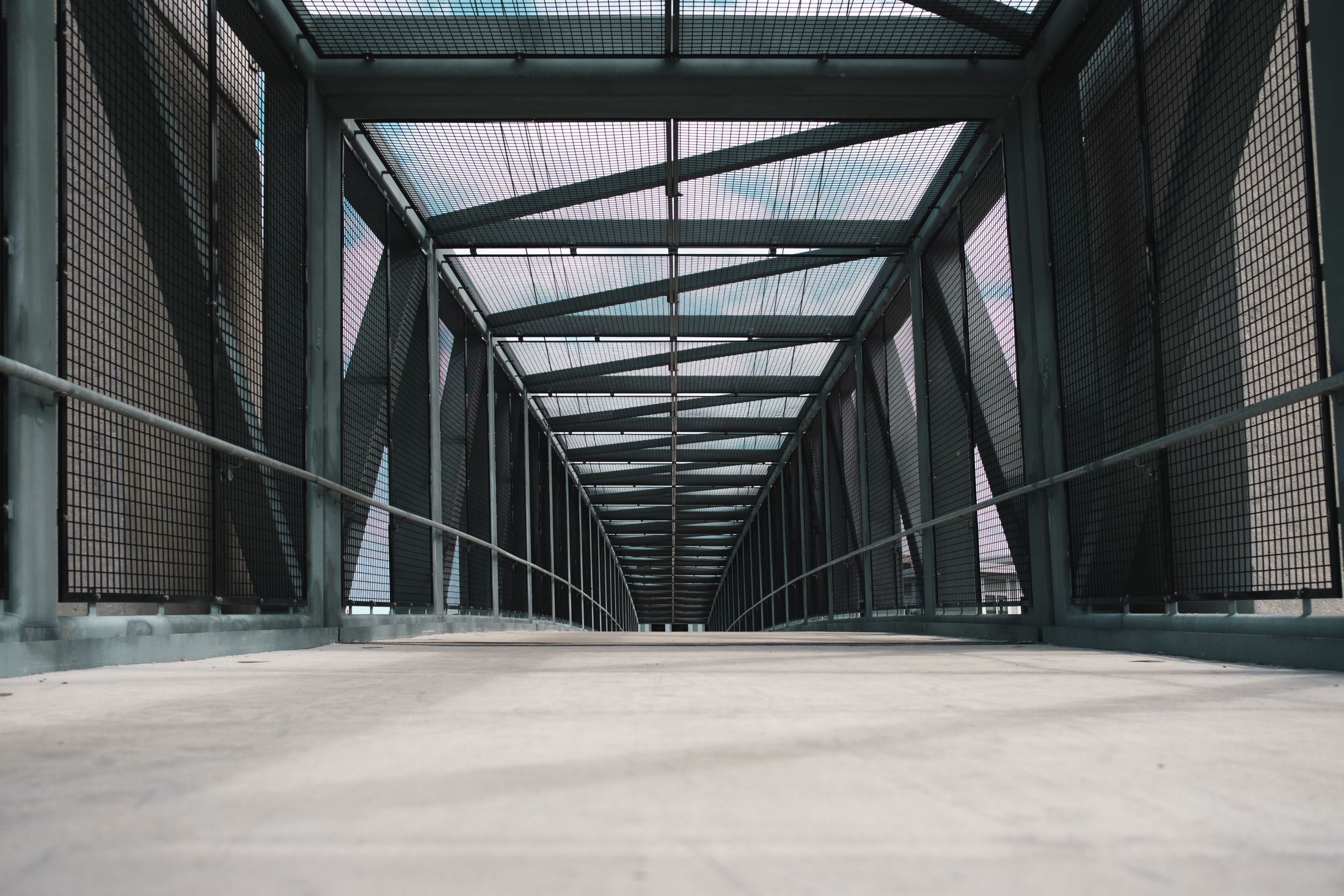
From industrial plants to commercial architecture, expanded metal components combine ventilation, strength, optical diffusion, and physical protection. Because the diamond mesh pattern allows unhindered airflow and lighting while physically stopping foreign objects and human contact, it is widely utilized for industrial guards, filtration screens, security enclosures, and decorative facades.
We manufacture custom OEM metal products across industrial automation, power generation, infrastructure, and electronic sectors. Typical fabricated assemblies we produce to customer drawings include:
- Industrial machinery guards, belt drive shrouds, and OSHA-compliant protective equipment cages
- Ventilation intake louvers, radiator baffles, and exhaust fan protective grilles for commercial generators
- High-load walkways, catwalk flooring, mezzanine platforms, and self-draining industrial stair treads
- Security partitions, tool crib enclosures, storage cage panels, and architectural perimeter fencing
- HVAC filtration pre-screens, heavy air handling filter retainers, and debris exclusion grates
- Automotive grilles, acoustic speaker protection screens, and transport vehicle battery box shields
- Architectural sun louvers, building facade cladding, decorative ceiling infill panels, and interior space dividers
- Agricultural grain drying trays, dehydrator racks, and heavy-duty material handling sorting baskets
How to Specify Expanded Metal on a Drawing
Clear mechanical drawing callouts prevent quoting delays and ensure we fabricate parts matching your exact drawing requirements. Example callouts shown in the table are illustrative placeholders to be replaced with your own project values.
Key factors include orientation of the diamond axis (Long Way of Diamond vs Short Way of Diamond), condition (flattened versus raised), material alloy, boundary edge conditions (raw cut or welded framing), and surface treatment specifications.
| What to specify | Why it matters | Example callout |
|---|---|---|
| Pattern / mesh designation | Defines the diamond opening size, strand thickness, and overall percent open area for airflow and visibility. | [pattern designation, e.g. 3/4" #9 or 1/2" #16 Standard Diamond] |
| Material alloy and grade | Dictates tensile strength, weldability, corrosion resistance, and suitability for specific environments. | [material grade, e.g. AISI 304 stainless steel or SPCC / A36 steel] |
| Sheet thickness / gauge | Establishes raw sheet thickness before slitting and stretching; controls overall rigidity and deflection resistance. | [thickness] mm |
| Flattened or raised condition | Determines whether strands are flush and coplanar or angled at a 3D incline; impacts overall thickness and feel. | Condition: Flattened (smooth) or Regular Raised |
| Direction of long way of diamond (LWD / SWD) | Affects bending behavior, visual alignment, deflection spans, and structural rigidity across panel width. | LWD parallel to [length] mm; SWD parallel to [width] mm |
| Framing / edge treatment | Specifies edge safety and perimeter mounting integrity; determines whether edges are raw cut, sheared flush, or framed. | Framed with [profile dimensions] mm angle / channel, stitch welded |
| Finish and coating specification | Guarantees long-term corrosion defense and cosmetic appearance across all sheared strand edges. | Powder coat, [color / RAL code], or other surface treatment per drawing |
Quality, Inspection and Documentation
We operate under an ISO 9001:2015 certified quality management system across our fabrication processes, including laser cutting, punching, CNC bending up to 3 m, welding, machining, powder coating, and assembly. Inspection is performed directly against the customer drawing to verify overall dimensions, hole locations, formed angles, and perimeter framing.
As a contract manufacturer, we fabricate custom parts to customer drawings and source the sheet. Documentation requirements (such as material certificates and inspection reports) are discussed and agreed per project at quoting, ensuring alignment with customer specifications without promising an unverified fixed document set.
ISO 9001:2015 Certified
Standardized manufacturing processes governed by our ISO 9001:2015 certified quality management system, maintaining quality control from raw material receipt through production and packaging.
Inspection Against Drawing
We perform dimensional inspection against customer drawings to verify part dimensions, hole centers, flange bend angles, welded frame alignment, and powder coat coverage.
Project Documentation
Documentation requirements, such as material certificates and inspection reports, are reviewed and agreed per project at the quoting stage according to customer procurement specifications.
Frequently Asked Questions
Technical and commercial guidance for engineering teams, OEM buyers, and procurement specialists specifying custom expanded metal fabrication.
Can you fabricate custom parts from expanded metal to our CAD drawings?
Yes. As a contract sheet metal fabricator, we produce custom parts directly to your 2D drawings and 3D CAD files. We source the specified expanded metal sheet and perform all required laser cutting, CNC punching, press brake bending, welding, framing, and surface finishing to deliver complete, ready-to-mount components.
What is the difference between standard and flattened expanded metal?
Standard (or regular/raised) expanded metal leaves the expanding machine with its strands angled to the sheet plane, providing multi-directional stiffness and enhanced traction. Flattened expanded metal undergoes a secondary cold-rolling process that presses the strands into a smooth, flat plane, creating a coplanar surface that is smooth to the touch.
What sheet thicknesses and materials do you support for fabrication?
We support laser cutting of 0.5-20 mm sheet for all materials. Materials we fabricate include carbon steel, galvanized steel, stainless steel grades 304 and 316, and aluminum. Secondary operations include CNC bending up to 3 m, punching, CNC machining, welding, powder coating, and assembly.
How do you frame or finish the sharp edges of expanded metal panels?
To eliminate sharp shear prongs and provide structural rigidity, we weld solid borders around panel perimeters. Common framing methods include wrapping edges in slotted U-edging channels, welding perimeter angle iron or flat bars, or folding formed sheet metal borders around the mesh with welding.
What are your standard turnaround times for quotation, prototypes, and production?
We provide quotes within 24 hours of receiving your drawings and specifications. Prototypes are delivered in 3-7 business days, and full production runs typically take 2-4 weeks.
What quality documentation do you provide with shipments?
We operate under an ISO 9001:2015 certified quality management system and perform inspection against customer drawings. Project documentation requirements, such as material certificates or inspection reports, are discussed and agreed per project at quoting.
How should we indicate diamond orientation (LWD / SWD) on our engineering print?
Specify the Long Way of the Diamond (LWD) and Short Way of the Diamond (SWD) relative to your panel dimensions. Note which direction corresponds to the panel length and width, as diamond orientation affects bending direction, deflection span, structural rigidity, and visual aesthetic.
Request a Quote for Expanded Metal Parts
Submit your technical drawings and specifications, and we will provide a quote within 24 hours. We are an ISO 9001:2015 certified contract manufacturer delivering prototypes in 3-7 business days and production in 2-4 weeks. You can request a quote directly to get started.
Direct Factory Advantage
24-Hour Quotes
Rapid review of your drawings with quotes returned within 24 hours.
ISO 9001:2015 Certified
Quality management and inspection against customer drawings.
Contract Fabrication
Laser cutting, CNC bending up to 3 m, punching, welding, CNC machining, powder coating, and assembly.