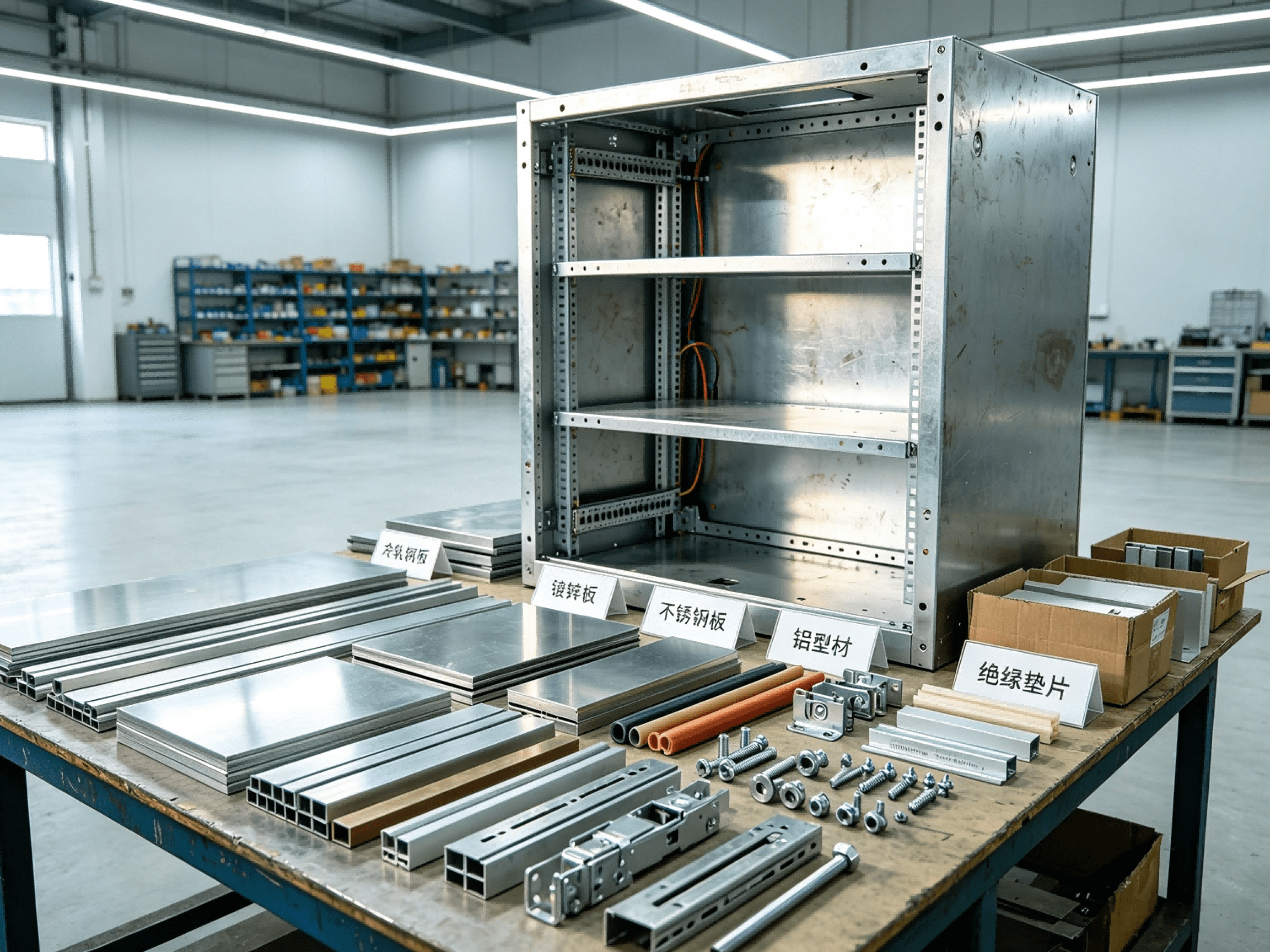
Tier-1 Mill Direct Stock • ISO 9001:2015 Verified Facility
SHEET METAL MATERIALS
SafeFaber combines direct primary-mill partnerships with stringent ISO 9001-aligned OEM tolerance controls. We supply, verify, and fabricate verified steel, aluminum, stainless steel, and specialty alloys engineered specifically for global industrial applications.
VERIFIED MILL SUPPLY & PRECISION MATCHING
Industrial sheet metal reliability begins at the melt. SafeFaber audits every raw supply partner to eliminate material voids, thickness variance, and surface impurities before laser cutting or CNC bending ever begins.
Genuine Mill Provenance
Direct relationships with prime steel and aluminum mills help ensure unadulterated material composition. Every batch arrives with official EN 10204 3.1 mill inspection certificates referencing specific coil heat runs.
Custom & Exotic Alloy Sourcing
Need proprietary temper states, ultra-high-conductivity copper alloys, or high-tensile specialty steels? Our global supply network handles specialty mill procurement with expedited international logistics.
Integrated Downstream Fabrication
Raw sheet grain orientation and springback behavior are matched against high-speed fiber lasers, CNC panel benders, and robotic welding lines to avoid flange distortion and cracking during serial production.
AVAILABLE MATERIAL TYPES
Explore our core alloy inventory for industrial metal supply and custom sheet metal fabrication. We keep high tonnage of each standard grade on hand to support rapid prototype turnaround and high-volume OEM manufacturing.
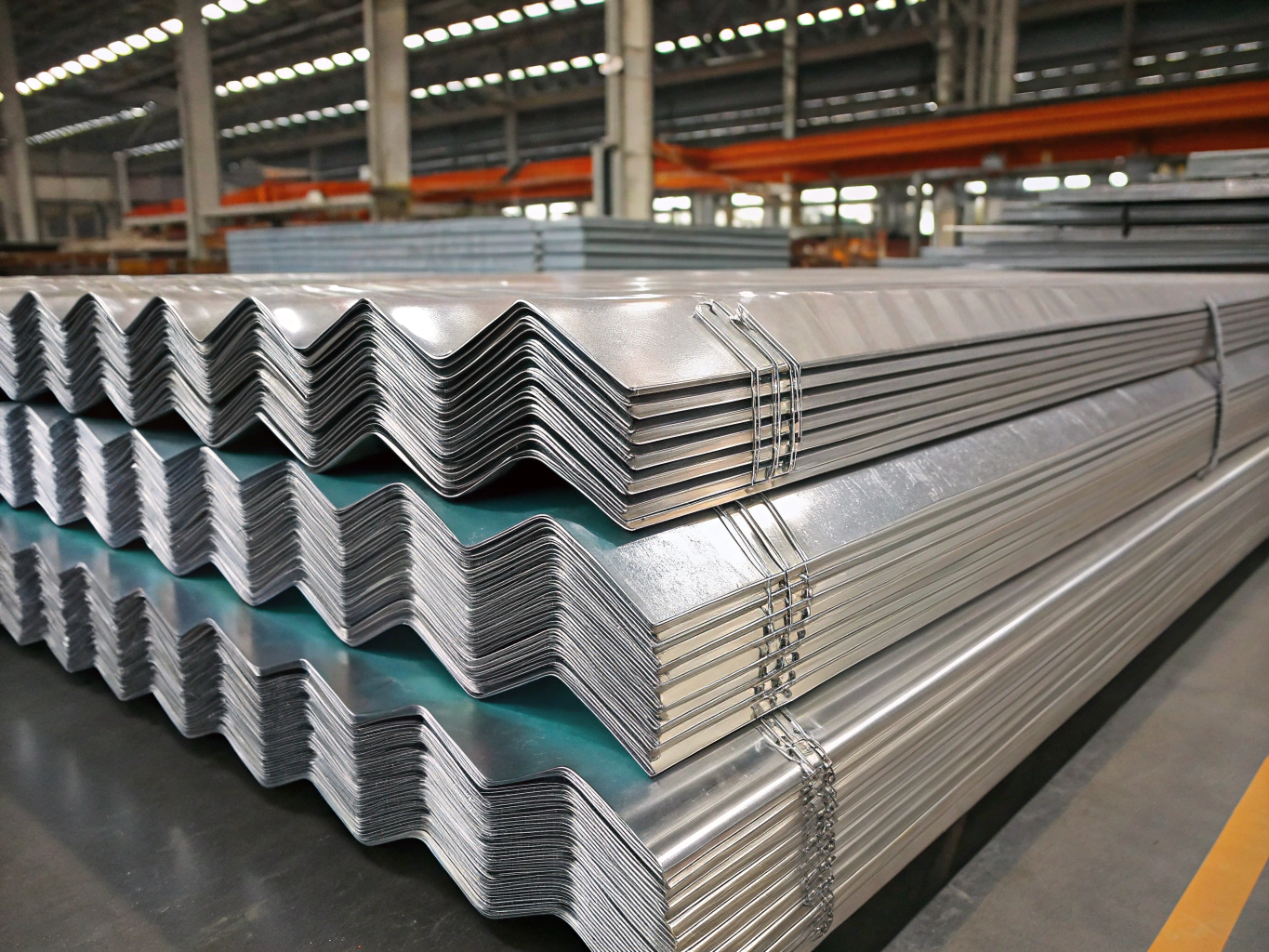
Carbon & Galvanized Steel
The backbone of structural sheet metal fabrication. We stock cold-rolled commercial qualities (SPCC) for precision deep-draw stamping, electrolytic zinc-coated (SECC) for ultra-flat electronics chassis, and hot-dip galvanized (SGCC) for rust-resistant electrical cabinets.
- Thickness: 0.5mm – 20.0mm
- Tensile: 270 – 510 MPa
- Formability: Excellent 90° & 180° radius
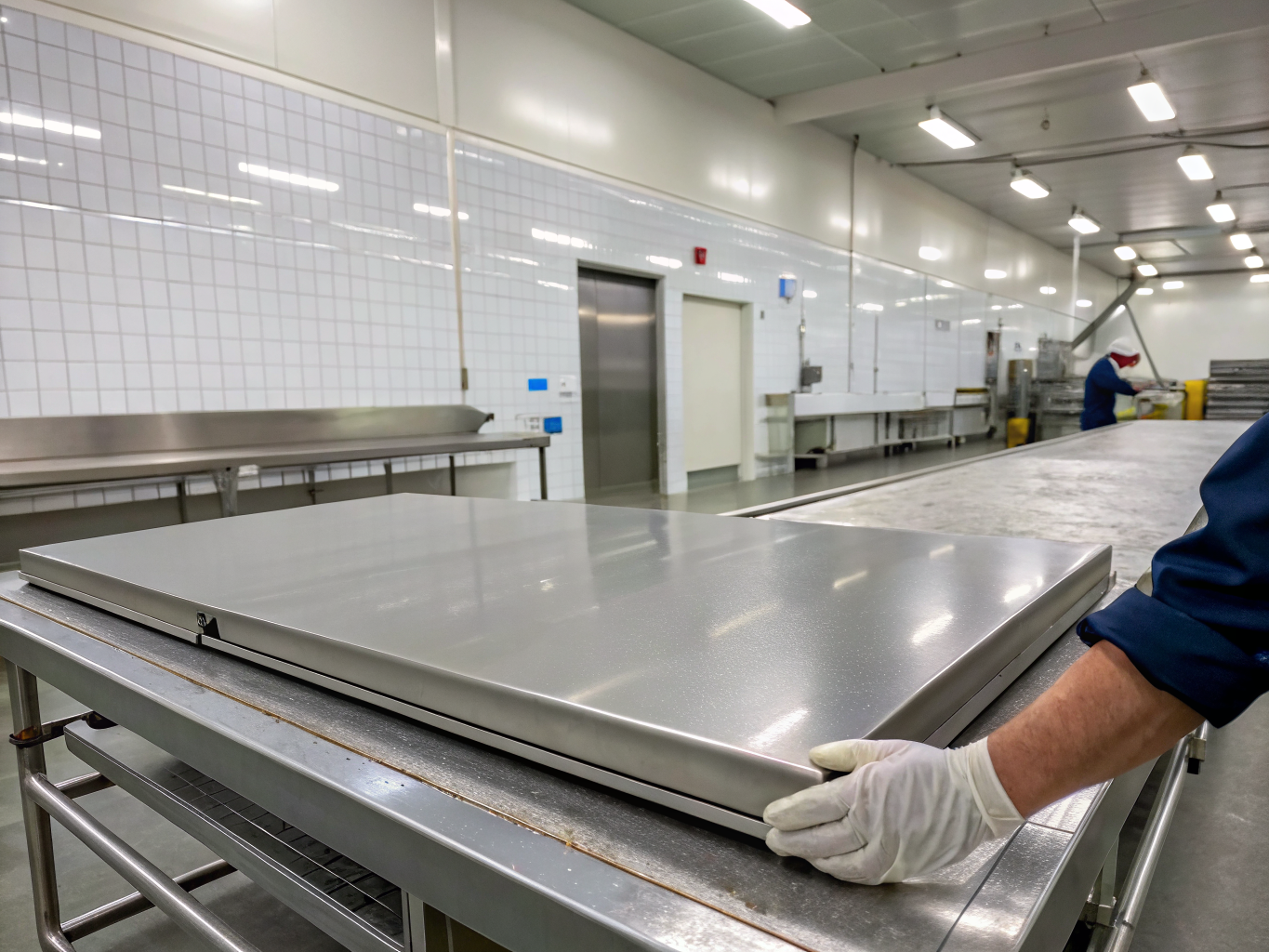
Stainless Steel
Engineered for harsh, sanitary, and chemical environments. Grade 304 offers all-around durability and corrosion resistance, while molybdenum-alloyed 316L delivers peak protection against marine saltwater and acid exposure with zero post-weld intergranular corrosion.
- Thickness: 0.6mm – 16.0mm
- Finishes: 2B Mill, #4 Brushed, BA, Mirror
- Standards: ASTM A240 / JIS G4305
Aluminum Alloys
Ultra-lightweight with exceptional strength-to-weight ratios. Magnesium-alloyed 5052-H32 is our primary choice for complex panel bending without cracking, while heat-treated 6061-T6 provides high structural rigidity for structural chassis and machined brackets.
- Thickness: 0.8mm – 12.0mm
- Weight: ~1/3 the mass of steel
- Anodizing: Grade-A uniform response
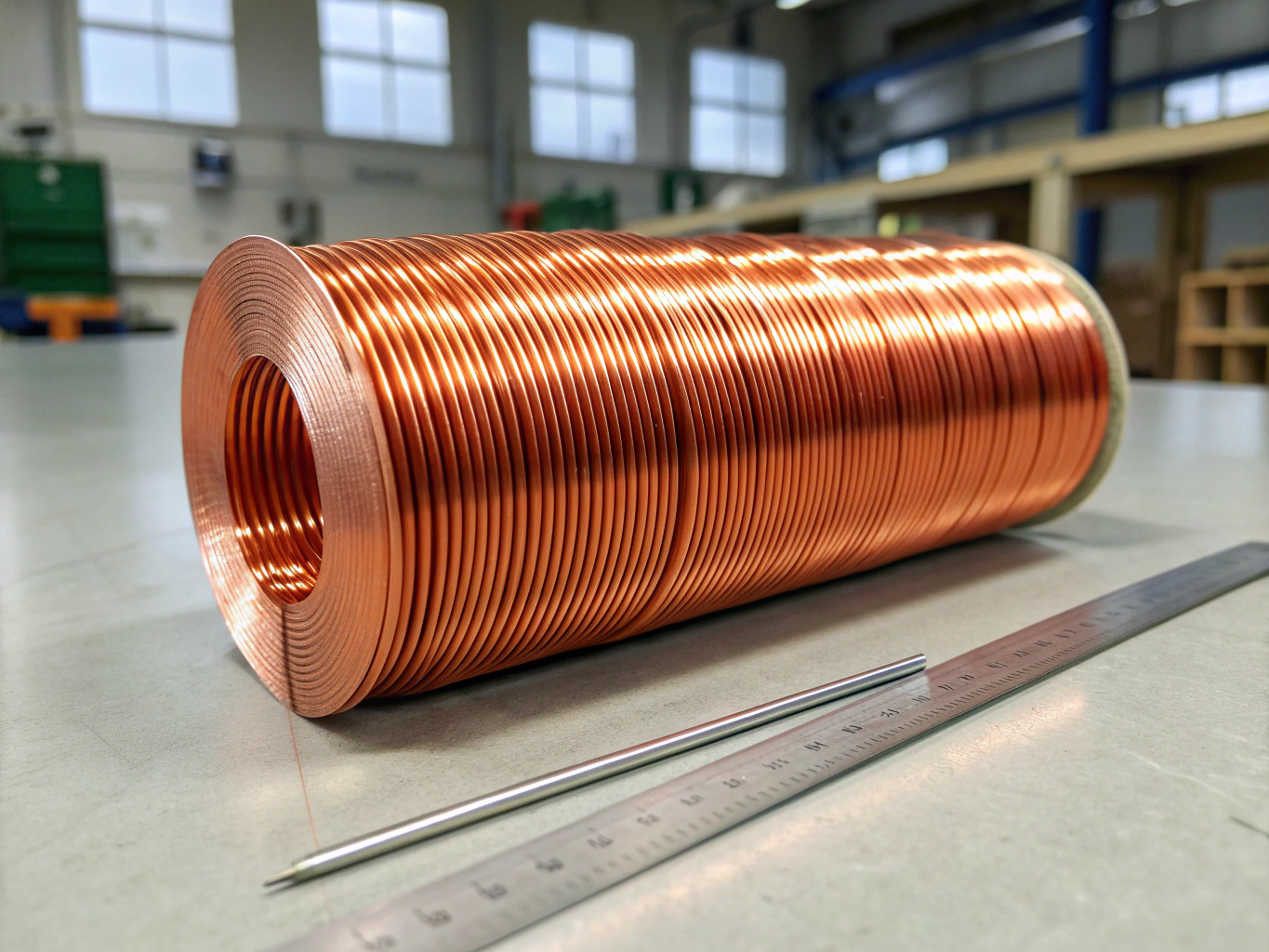
Specialty & Non-Ferrous Metals
High-purity conductive metals tailored for electrical distribution and specialized industrial equipment. C1100 ETP copper sheets provide maximum electrical and thermal conductivity for power busbars, while architectural brass and commercial titanium fulfill specialized corrosion demands.
- Conductivity: Up to 101% IACS (C1100)
- EMI Shielding: Superior attenuation
- Origin: Verified prime virgin lots
ENGINEERING BY PERFORMANCE DEMANDS
Material selection should balance mechanical resilience, thermal behavior, corrosion longevity, and total part cost. Our applications engineering team helps you optimize every CAD drawing before cutting metal.
Corrosion Resistance
Evaluate environmental atmospheric exposure, washdown frequency, and chemical contact.
SUS316L for marine/chemical, SUS304 for food/cleanroom, SGCC galvanized for enclosed outdoor units.
Structural & Yield Strength
Calculate weight-bearing load, vibration tolerance, and required impact toughness without deformation.
AL6061-T6 or Q235/A36 steel for heavy load frames; AL5052 for lightweight vibration-damping covers.
Cost & Tooling Optimization
Balance initial coil cost against downstream forming times, welding speeds, and secondary coating steps.
SPCC + powder coat offers optimal cost-to-strength; pre-galvanized SECC eliminates plating line costs.
EMI / Thermal Conductivity
Address electronic enclosure grounding, RF shielding attenuation, and component heat dissipation.
C1100 copper for localized busbars; AL5052/AL1050 for broad chassis heat dissipation and RF containment.
QUALITY & COMPLIANCE STANDARDS
SafeFaber enforces rigorous quality gating at every point of the material lifecycle. From incoming ingot analysis to heat-stamped lot identification, your production run is backed by verifiable documentation.
Incoming Spectrometer Verification
Every incoming mill coil is verified using calibrated OES spectrometry to confirm precise elemental composition (Cr, Ni, Mo, C, Si) before release to the cutting beds.
Heat-Number Digital Traceability
Every sheet batch is registered with mill heat and lot numbers in our ERP. From laser cutting to final boxing, your parts carry full metallurgical pedigree.
RoHS & REACH Compliance
SafeFaber strictly sources heavy-metal-free and SVHC-compliant alloys. Full compliance declaration certificates provided with production shipments.
EN 10204 3.1 MTR Per Batch
Original Mill Test Reports (MTR) detailing chemical heat analysis, yield/tensile strength, and elongation tests are archived and delivered with every production run.
Corrosion-Resistant Alloys and Material Grade Table
| Grade | Thickness range | Corrosion resistance | Weldability | Typical use |
|---|---|---|---|---|
| 304 | 0.6–16.0 mm | Good in general atmosphere and food contact | Excellent | Food equipment, indoor enclosures |
| 316L | 0.6–16.0 mm | Excellent against chlorides, marine and chemical exposure | Excellent, low-carbon | Marine, chemical and medical housings |
| 2205 duplex | 1.5–12.0 mm | Very high, resists pitting and stress corrosion | Good, needs controlled heat input | Offshore and process equipment |
| 5052 aluminium | 0.8–12.0 mm | Good in marine air and general outdoor use | Good (TIG/MIG) | Outdoor cabinets, panels, EV and BESS enclosures |
| 4130 chromoly | 0.5–6.0 mm | Low, needs coating or plating | Good with preheat | Frames, structural brackets |
Corrosion-Resistant Alloy Selection
Choose 316L over 304 when parts face chlorides, marine spray, de-icing salt or chemical washdown. Its 2–3% molybdenum resists pitting and crevice attack that can break down 304's passive film, and its low carbon content protects welds. For indoor, food-grade or dry duty, 304 remains the economical corrosion-resistant alloy. Compare options in our stainless vs galvanized corrosion guide.
Expanded Metal, Perforated Sheet and Metal Mesh
Solid sheet is a continuous plate, while perforated sheet is punched with a hole pattern and expanded metal is slit and stretched into a diamond mesh with no scrap. Both give airflow, light and filtration at lower weight. Specify a corrosion resistant alloy such as 316L or 5052 aluminium for outdoor use. See our perforated and expanded metal sheet guide.
FREQUENTLY ASKED QUESTIONS
Common questions about sheet metal material sourcing, lead times, mill test certificates, and custom alloy specifications.
RELATED SERVICES & CAPABILITIES
Once raw sheet metals are sourced and verified, our turnkey manufacturing infrastructure carries your parts through precision laser cutting, CNC panel bending, robotic welding, and industrial coating.
Laser Sheet Metal Cutting
High-speed 20kW fiber laser cutting lines handling steel, aluminum, and stainless up to 25mm thickness with micro-burr edge quality and tight geometric tolerances.
Automated Sheet Metal Panel Bending
Multi-axis robotic press brakes and automated panel benders offering scratch-free forming, dynamic angle compensation, and consistent high-volume repeatability.
Metal Surface Treatments
Complete in-house electrostatic powder coating, zinc/nickel electroplating, anodizing, passivating, and grain finishing built for industrial longevity.
Ready to match your drawings to the optimal alloy?
Submit your 2D and 3D CAD files (.STP, .DXF, .PDF, .IGES) for a thorough Design for Manufacturability (DFM) review and comprehensive raw material cost analysis.