Sheet Metal Hems: Types, Rules and When to Use Them
Sheet Metal Hems: Types, Rules and When to Use Them
Quick answer: A hem is an edge of sheet metal folded back on itself, usually through 180°, creating a rounded, burr-free, double-thickness edge. The common types are closed, open, teardrop and curled. Start from a hem flange at least about 4×t wide, remember that harder tempers and thicker sheet need more, and confirm the limit with a trial before production. A hem stiffens the edge, hides the burr and makes a safer hemmed edge. Request a quote with your drawing.
1. Introduction
Ask a room of designers what a hem is and most will describe the folded edge on a cabinet door — correct, and only part of the answer. Hems appear on enclosures, brackets, chassis panels, rack rails and duct sections, where they take the raw cut edge out of the user's hands, stiffen a free edge, hide the burr, and sometimes form the hinge knuckle itself. They also cause a disproportionate share of trouble: a hem is a 180° bend, the most demanding forming operation on a typical drawing, and a flange that is too short turns a clean fold into a cracked edge that cannot be salvaged.
The drawing governs: state the hem type, the flange width and the finished thickness, and if the drawing is silent, tell your fabricator which general tolerance standard applies.
2. What Is a Hem?
A hem is an edge of sheet folded back on itself, usually through 180°, producing a rounded double-thickness edge with no exposed burr. A hemmed edge does three jobs: it is safe, because the cut edge disappears inside the fold; stiff, because the folded edge behaves like a small flange and reduces oil-canning on large panels; and finished, because powder coating covers a smooth radius instead of a knife edge. It is not a substitute for a real flange where the load path demands one.
3. Sheet Metal Hem Types
Five forms cover almost all production work. Names vary between shops, so the drawing should show a section view rather than rely on a label alone.
Two points decide between them. First, how closed the fold must be: a closed hem needs the most generous flange and the softest practical temper, so when it will not close cleanly, widen the flange or soften the material rather than adding press force. Second, whether the gap is functional: an open hem admits a pin, and interlocking open hems form the hinge knuckle, which is why the gap must be dimensioned rather than left to the tooling. A teardrop hem is the fallback wherever a closed hem cracks, and a curl goes furthest of all.
4. Minimum Hem Size and Material Ductility
The flange being folded must be wide enough for the tooling to grip and for the finished edge to be stable rather than a curled sliver. The widely used starting figure is about 4×t — four times the material thickness. That is empirical, not a specification: the real limit depends on ductility, temper and the radius the fold wraps, and there is no substitute for confirming it on a trial part.
Two material rules matter: hemming parallel to the rolling direction cracks more easily than hemming across it, especially in aluminum, and a laser-cut edge carrying heavy dross acts as a notch starter, so put the burr side inward or clean the edge before forming.
5. Hem and Bend Sequence
Sequence decides whether a hem project succeeds, because a hem formed at the wrong moment cannot be formed at all.
- Hem before the main bend if the flange will later be bent — once it is angled, the tool has no clear path to the edge.
- Hem after the main bend if the hem is on the final free edge, so earlier bends are not disturbed.
- Hem before coating, always: a hem formed after powder coating cracks the film and exposes bare metal.
- Check tool access — the most common reason a hem is redesigned.
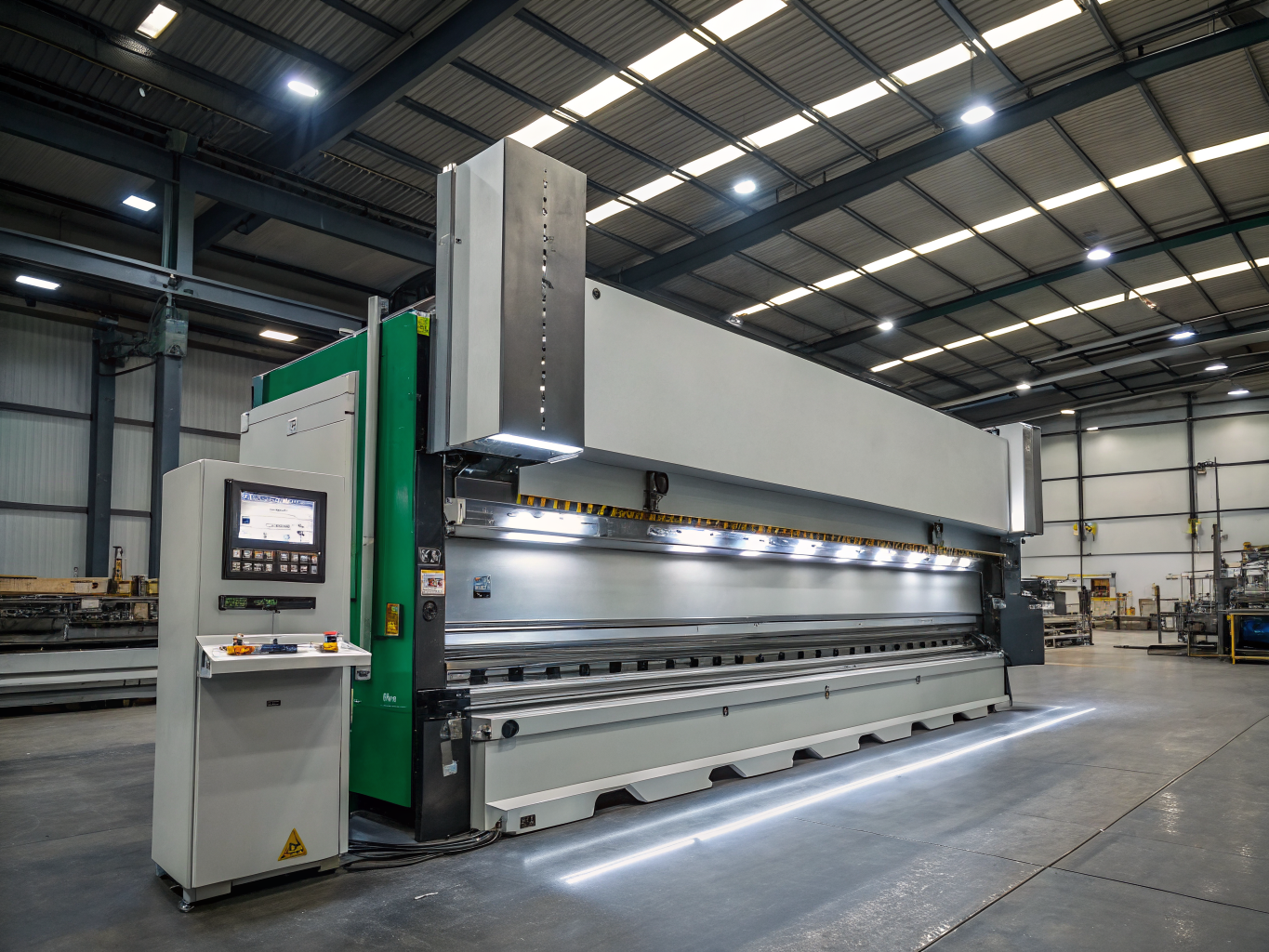
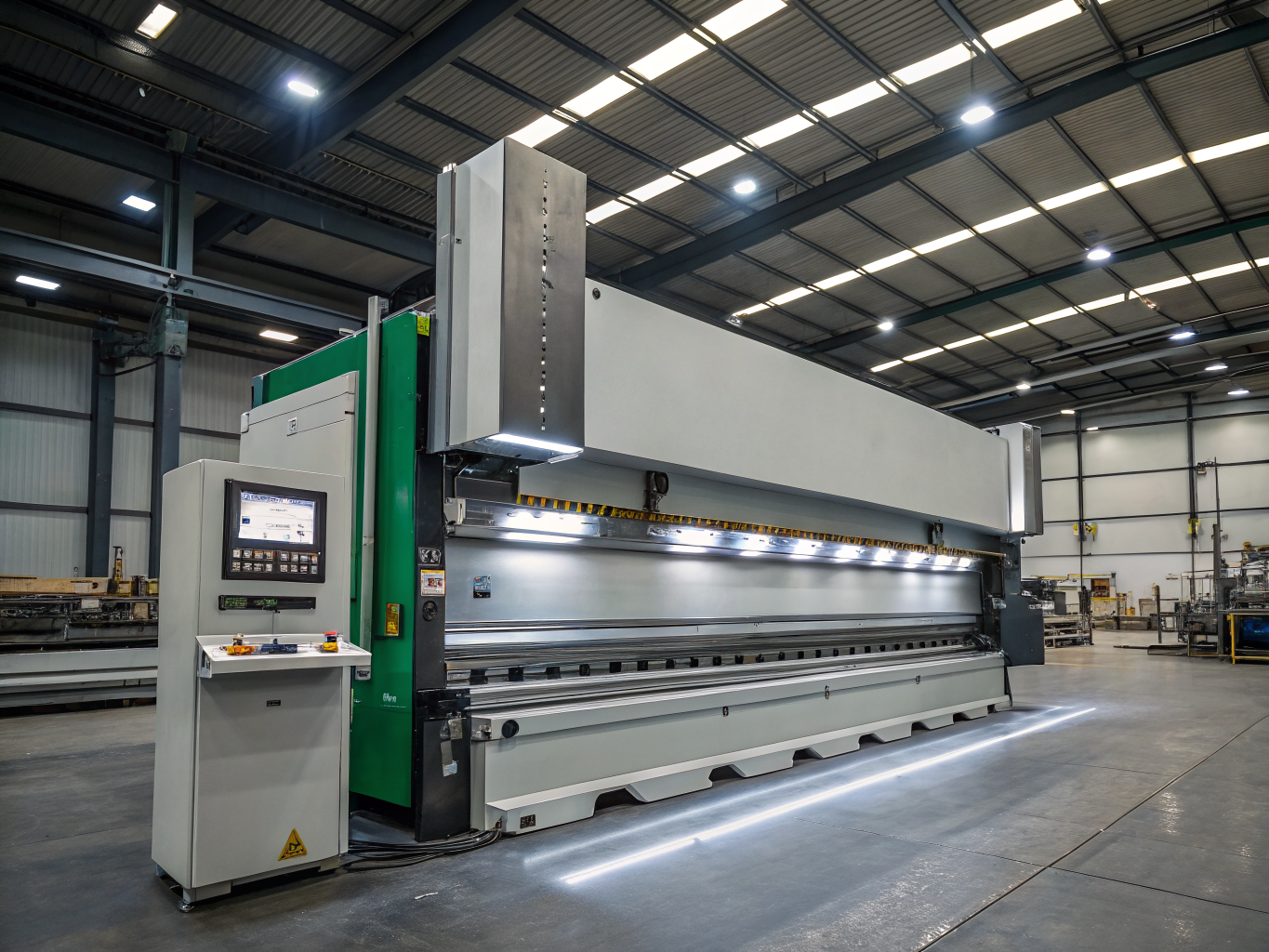
Hems are formed on a press brake with a hemming die, or on automated folding equipment that folds the edge in two stages — a first bend to roughly 30°, then a closing pass. Our CNC panel bending handles flanges up to 3 m, and relief geometry is covered in our sheet metal bending guide.
6. Why Hems Crack — and How to Avoid It
A hem cracks when the outer fibre of the fold is strained beyond what the material can take. Every cause has a design answer.
Two habits prevent most of this: prototype the hem, which is cheap on a small blank and expensive to discover at goods-in, and describe it properly on the drawing.
7. Hem vs Edge Wrap vs Curl
A hem uses only the part's own material, a wrap folds the material around something else, and a curl keeps rolling. If a pin must pass through, you need an open hem or a curl, never a closed hem.
8. Decision Table
9. Conclusion & Call to Action
A hem is a small feature with large consequences: get the type, the flange width and the bend sequence right, and the edge is safe, stiff and clean.
SafeFaber reviews drawings for formability before quoting: hem type, minimum flange width against the specified material and temper, tool access and bend sequence. The review is free with your quotation, quotes typically go out within 24 hours, prototypes run in 3–7 business days and production in 2–4 weeks, with turnkey assembly and door-to-door shipping. Manufacturing runs under ISO 9001:2015 (Safety Spacs Ltd., Yantai, China).
Send your drawing with the hem section called out and the material stated. Review our welding service and design engineering capabilities, then Contact SafeFaber with your files.
Frequently Asked Questions
Q1: What is a hemmed edge on sheet metal?
A hemmed edge is the edge of a sheet metal part folded back on itself, usually through 180°, so the raw cut edge is enclosed inside a rounded double-thickness fold. It removes the burr from anything the part touches and stiffens the edge. Common types are closed, open, teardrop and curled.
Q2: What is the minimum size for a sheet metal hem?
A widely used starting rule is a hem flange at least about 4×t wide, where t is the material thickness. That is an empirical starting point, not a specification — harder tempers, thicker sheet and tighter folds need more. Confirm the real limit with a trial part.
Q3: Which hem types are best for a hinge?
Use an open hem or a curl. An open hem leaves a controlled gap so a pin can pass through, and two or more interlocking open hems form the knuckle. A curl rolls past 180° into a loop for a stronger knuckle but needs ductile material and dedicated tooling. A closed hem cannot accept a pin.
Q4: Why do hems crack during forming?
Usual causes are a flange too short, a fold radius too tight, a hard temper such as 6061-T6, a burr or heavy laser dross on the outer face, hemming parallel to the rolling grain, or a sequence in which the tool cannot reach the edge. Each has a fix: widen the flange, use a teardrop hem, change material, or reorder the bends.
Q5: What is the difference between a hem, an edge wrap and a curl?
A hem folds the part's own edge back on itself. An edge wrap folds the material around another element, such as a wire or a second panel. A curl keeps rolling past 180° into a loop or tube, which is how hinge knuckles are made. All three hide the cut edge but need different tooling.