Common Sheet Metal Grades & How to Select the Right Material
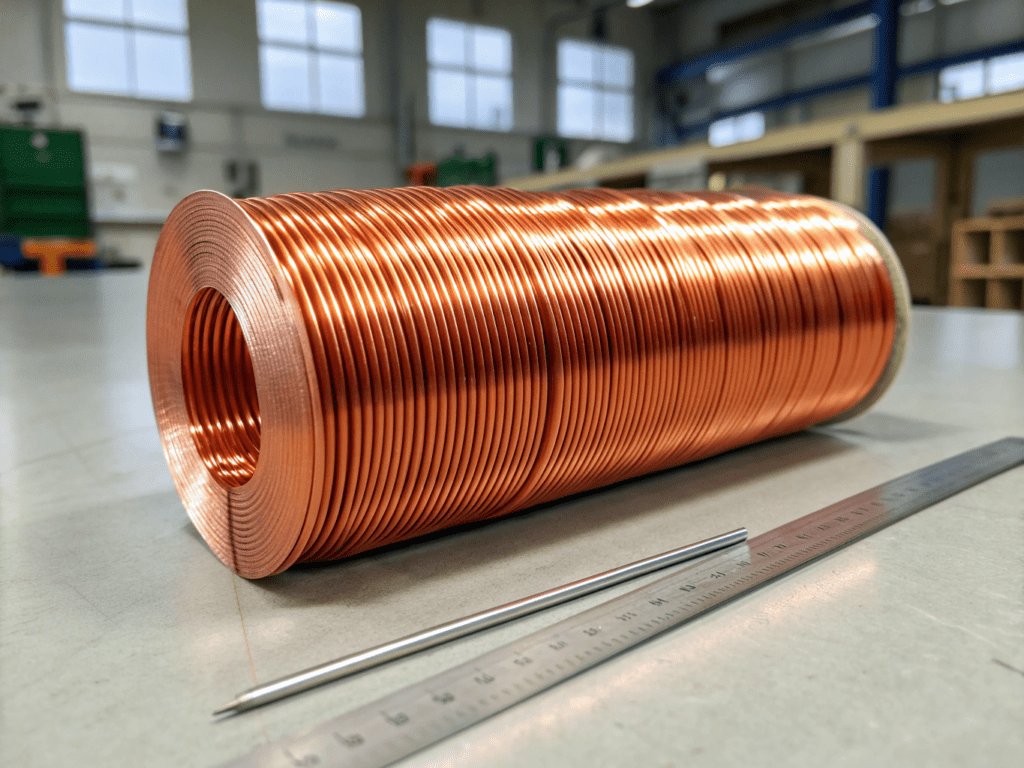
Quick answer: Select a sheet metal grade by environment, strength and finishing: Q235 / DC01 / SPCC low-carbon steel for painted indoor parts, 304 stainless (about 18% chromium, 8% nickel) for food or medical duty, 316 (adds about 2% molybdenum) for chloride or marine exposure, and 5052 aluminum for lightweight builds. Two classifications decide the rest — hot rolled vs cold rolled steel, and ferrous versus non-ferrous metals. Specify standard, grade and thickness on the drawing — request a quote.
Sheet Metal Grades: How to Select the Right Material
The specified grade decides how a part performs, how long it lasts and what it costs: too weak and parts fail, over-specified and you pay for alloy you never use. Low-carbon steels, the main stainless types and a few aluminum alloys cover most fabrication work, and two classifications explain most of what buyers find confusing about steel sheet.
Hot Rolled vs Cold Rolled Steel: The Differences That Matter
These terms describe how the sheet was produced, not what it is made of. Hot rolled steel is rolled above the recrystallisation temperature; cold rolled steel is rolled at room temperature after hot rolling and pickling. That difference changes surface, dimensional accuracy, strength and price.
| Hot rolled steel | Cold rolled steel | Also written as | |
|---|---|---|---|
| Rolling temperature | Above the recrystallisation temperature | Room temperature, after hot rolling and pickling | hot rolled steel, cold rolled steel process |
| Surface | Mill scale or an oxide surface unless pickled and oiled | Smooth, clean, uniform — suitable for painting and visible parts | hot rolled steel surface finish, cold rolled steel surface |
| Dimensional accuracy | Looser thickness and flatness control | Tighter thickness tolerance and better flatness | cold rolled steel tolerance, hot rolled steel tolerance |
| Strength and ductility | Softer, more ductile, lower residual stress | Work-hardened by the cold reduction: stronger but less ductile | hot rolled steel strength, cold rolled steel strength |
| Formability | Easier to bend and form to tight radii | Good, but the extra work hardening has to be allowed for in bend radii | cold rolled steel bending, hot rolled steel forming |
| Relative cost | Lower | Higher | hot rolled steel price, cold rolled steel price per kg |
| Typical sheet use | Structural parts, brackets, base plates, parts that will be painted or coated | Enclosures, panels, doors and covers where appearance and thickness control matter | hot rolled steel sheet, cold rolled steel sheet metal |
A visible part that will be painted or powder coated favours cold rolled sheet: no mill scale to remove and an already uniform surface. A hidden structural part that will be coated anyway is cheaper and easier to form in hot rolled sheet, and a tight thickness or flatness tolerance on the drawing signals cold rolled.
Cold Rolled Steel Sheet: Surface, Tolerance and Forming
Cold rolled steel sheet is the default substrate for enclosures, cabinets and formed panels. Rolling at room temperature keeps thickness variation small, so flange heights stay consistent along a long panel; the scale-free surface takes pretreatment and paint predictably; and the cold reduction has already raised strength, making a given thickness stiffer than hot rolled. The counterweight is reduced ductility, so very tight radii or heavy draws need a softer deep-drawing grade. Bending across the rolling direction rather than along it reduces cracking at the bend line.
Ferrous vs Non-Ferrous Metals
A ferrous metal has iron as its principal constituent; a non-ferrous metal contains no significant iron. Steel, stainless steel, cast iron and wrought iron are ferrous; aluminum, copper, brass, bronze, zinc, titanium, magnesium and lead are non-ferrous.
| Ferrous metals | Non-ferrous metals | Also written as | |
|---|---|---|---|
| Base element | Iron | No significant iron content | ferrous metals, non ferrous metals |
| Common examples | Carbon steel, stainless steel, cast iron, wrought iron | Aluminum, copper, brass, bronze, zinc, titanium, magnesium, lead | examples of ferrous metals, examples of non ferrous metals |
| Magnetic response | Generally magnetic, though austenitic stainless (304, 316) is only weakly magnetic | Generally non-magnetic | is stainless steel magnetic, are non ferrous metals magnetic |
| Corrosion behaviour | Rusts unless alloyed (stainless) or coated (galvanized, painted) | Forms its own oxide film; no iron oxide rust | does aluminum rust, does carbon steel rust |
| Relative weight | Higher density | Lower density — aluminum weighs roughly one third of steel for the same volume | aluminum vs steel density, ferrous vs non ferrous weight |
| Typical sheet use | Frames, enclosures, cabinets, brackets, structural parts | Lightweight housings, busbars, ducting, heat transfer, decorative trim | ferrous metal uses, non ferrous metal applications |
The classification drives recycling streams, corrosion strategy and weight, and is the first filter in most material specifications. Copper and brass cover electrical and decorative work, aluminum the weight-sensitive structural work.
Is Aluminum Ferrous? Is Copper? Quick Answers
No to both. Aluminum contains no iron, which is why it does not rust and is non-magnetic; copper, brass and bronze are non-ferrous too. Steel and stainless steel are ferrous — stainless is an iron alloy with chromium, still iron-based even though its oxide layer stops it rusting. A ferrous question is always about the presence of iron, not about corrosion.
A36, 1018, 4130: Common Steel Grades in Sheet Form
Three designations come up constantly in structural and machine work, and they are not interchangeable.
| Grade | What it is | Where it is used | Also written as |
|---|---|---|---|
| A36 | A structural carbon steel, commonly supplied hot rolled | Base plates, brackets, frames and general structural parts where weldability and cost matter | A36 steel, ASTM A36, A36 mild steel |
| 1018 | A low-carbon, case-hardening grade commonly supplied in the cold-finished condition | Shafts, pins, spacers and machined details that need a better surface and closer size than hot rolled stock | 1018 steel, AISI 1018, 1018 cold finished steel |
| 4130 | A chromium-molybdenum alloy steel, also known as chromoly | High-strength tube and structural parts in motorsport, aerospace and bicycle frames, where strength-to-weight ratio matters | 4130 steel, 4130 chromoly, AISI 4130 tubing |
The comparison that matters most is A36 against 1018. A36 is chosen for structure: easy to weld, widely available and economical in heavier sections. 1018 is chosen for machined parts, with a cleaner, closer cold-finished surface that machines better and holds size more predictably. Using 1018 for a welded bracket wastes money; using A36 for a precision shaft means fighting the size tolerance.
4130 is a different category: its chromium and molybdenum additions raise strength substantially, which is why it is specified for thin-wall tube and structural members where weight is critical. It is also less forgiving to weld, usually needing controlled heat input and often a post-weld treatment, with more springback and bend radii that must be planned. Confirm the grade against the standard on your drawing before substituting it for mild steel.
Carbon Steel Grades
What Is SPCC Steel?
Carbon steel is the most common sheet metal material: strong, formable, weldable and generally the least expensive. It is named differently across standards — Q235 (minimum yield 235 MPa) in GB drawings, DC01 or S235 in European, SPCC in Japanese, ASTM A1008 in US — but these are close low-carbon equivalents, substitutable when the standard and required properties are stated.
Number grades (10, 20) state nominal carbon content; "cold-rolled" describes production, not composition. State both, for example "SPCC cold-rolled low-carbon steel."
| Type | Common grades | Characteristics | Typical use | Also written as |
|---|---|---|---|---|
| Low-carbon cold-rolled | Q235, DC01, SPCC, A1008 | Formable, weldable, economical | Enclosures, brackets, panels | SPCC steel, DC01 steel, Q235 steel, cold rolled steel sheet |
| Structural, hot rolled | Q355, S355, A572, A36 | Higher strength | Frames, supports, base plates | Q355 steel, S355 steel, A572 steel |
| Deep-drawing | DC04, SPCE | Extra formability | Drawn housings | DC04 steel, SPCE steel, deep drawing steel |
Bare carbon steel rusts, so it suits indoor parts or components that are painted or powder coated; our carbon steel fabrication page details forming and finishing.
Stainless Steel Grades
Is 304 Stainless Steel Magnetic?
Stainless steel contains chromium, typically over 10.5 percent, forming a self-healing oxide layer that blocks corrosion. Austenitic 304 and 316 dominate sheet work; ferritic 430 is the budget option. 304 (about 18 percent chromium, 8 percent nickel) is the default for food equipment, medical devices and general corrosive duty, while 316 adds about 2 percent molybdenum to resist pitting from chlorides. 430 has no nickel and suits mild indoor duty.
| Grade | Family | Cr / Ni | Key characteristic | Typical use | Also written as |
|---|---|---|---|---|---|
| 304 | Austenitic | 18 / 8 | Balanced resistance and cost | Food, medical, industrial | 304 stainless steel, SUS304, 1.4301, 18-8 stainless |
| 316 | Austenitic | 16 / 10 + Mo | Chloride resistance | Marine, coastal, chemical | 316 stainless steel, SUS316, 1.4401, marine grade stainless |
| 430 | Ferritic | 17 / none | Low cost | Trim, appliances | 430 stainless steel, SUS430, ferritic stainless steel |
Austenitic stainless is weakly magnetic while 430 is strongly so — a quick identity check. Our stainless steel fabrication service covers welded parts, tolerances and surface options.
Aluminum Grades
Is 5052 Aluminum Marine Grade?
Aluminum weighs about one-third of steel and resists corrosion through its natural oxide film. Three alloys handle most sheet work: 3003 (manganese-strengthened) is the economical general-purpose alloy for ducts, trim and light enclosures; 5052 (magnesium) gives the best corrosion resistance, especially against salt water, making it the marine default; 6061 (magnesium-silicon) heat-treats to higher strength, machines well and anodizes cleanly.
| Alloy | Strengthening | Strength | Typical use | Also written as |
|---|---|---|---|---|
| 3003 | Manganese | Moderate | Ducts, trim | 3003 aluminum, 3003-H14, AL 3003 |
| 5052 | Magnesium | Good | Marine, tanks, welded parts | 5052-H32, 5052 H32, AL 5052, marine grade aluminum |
| 6061 | Mg + Si | High | Frames, anodized products | 6061-T6, 6061 T6, AL 6061, 6061 aluminum sheet |
Our aluminum fabrication guide covers alloys, gauges and finishing, and the aluminum grades chart compares alloys by temper and application.
Coated and Specialty Materials
Does Galvanized Steel Rust?
Coated steels pair carbon-steel economy with outdoor durability: hot-dip galvanized steel's sacrificial zinc coating protects cut edges and scratches, while Galvalume (aluminum-zinc) adds heat reflection. Welding zinc-coated sheet releases fumes and powder coating needs pretreatment. Copper and brass cover electrical and decorative work; pre-painted steel suits appliances and cladding. Our guide to galvanized versus galvannealed steel covers the coating classes and what they change.
Grade Equivalents: GB, EN, JIS and AISI
The same material carries a different name in every standard system, which is why a supplier can quote something that looks unfamiliar. Equivalence is not identity, and treating a substitution as automatic causes most disputes.
| Family | GB | EN | JIS | US | Also written as |
|---|---|---|---|---|---|
| Low-carbon cold-rolled sheet | Q235 | DC01 / S235 | SPCC | ASTM A1008 | Q235 vs DC01, SPCC equivalent grade, Q235 equivalent |
| Austenitic stainless | 06Cr19Ni10 | 1.4301 | SUS304 | AISI 304 / ASTM A240 | 304 equivalent grade, SUS304 vs 304, 1.4301 equivalent |
Two disciplines make substitution safe: state the required properties, not only the grade, because yield strength, formability and finish are what the part needs; and confirm the substitution with your engineer, because equivalents are not always interchangeable at the same thickness. If your drawing says Q235 and your supplier quoted DC01, ask whether yield strength and formability match.
How Grade Choice Changes Bending, Welding and Finishing
- Bending. Softer grades bend to tighter radii; higher-strength and cold-worked grades need larger radii and more springback compensation.
- Welding. Low-carbon steels, austenitic stainless and 5052 aluminum weld readily; heat-treatable 6061 is softened at the weld, 4130 chromoly needs controlled heat input, and zinc-coated sheet needs local coating removal plus fume extraction.
- Finishing. Powder coating suits carbon steel, anodizing needs the right aluminum alloy, stainless needs passivation after welding, and galvanized sheet needs pretreatment.
- Cutting. Harder grades cut slower and wear tooling faster, so the same profile can cost more in a high-strength grade.
What to Specify on the Drawing
How Do You Specify Steel Grade on a Drawing?
State standard, grade, thickness and condition, for example "SPCC, 1.5 mm, cold-rolled, JIS G3141" or "AISI 304, 2B finish, 2.0 mm". Add the service environment if it drives the choice, and mark the surfaces that matter. SafeFaber's sheet metal materials overview organises grades and alloys by property and application.
Frequently Asked Questions
Q1: What is the difference between hot rolled and cold rolled steel?
Hot rolled is rolled above its recrystallisation temperature: softer, more ductile and cheaper, with a scaled surface and looser dimensional control. Cold rolled is rolled at room temperature: cleaner, with tighter thickness tolerance and higher strength but less ductility.
Q2: Is aluminum ferrous?
No. Aluminum contains no significant iron, so it is non-ferrous, which is why it does not rust and is non-magnetic. Copper, brass and bronze are non-ferrous too.
Q3: What is the difference between ferrous and non-ferrous metals?
Ferrous metals have iron as their principal constituent: carbon steel, stainless steel, cast iron. Non-ferrous metals do not: aluminum, copper, brass, bronze, zinc, titanium and magnesium. Ferrous metals are generally magnetic and rust unless alloyed or coated.
Q4: What are the most common sheet metal grades?
Carbon steel: Q235, DC01, SPCC, ASTM A1008. Stainless: 304 and 316. Aluminum: 3003, 5052, 6061. Together these cover most fabricated parts.
Q5: A36 or 1018 — which should I specify?
A36 for structural parts that will be welded: economical, widely available and easy to weld. 1018 for machined details needing a cleaner surface and closer size, such as shafts, pins and spacers.
Q6: What is 4130 chromoly used for?
High-strength structural and tubular parts where strength-to-weight ratio matters, such as motorsport, aerospace and bicycle frames. The chromium-molybdenum additions raise strength well above mild steel, at the cost of a demanding weld procedure and more springback.
Q7: What is the difference between 304 and 316 stainless steel?
316 adds molybdenum, resisting pitting from chlorides — ideal for marine and chemical duty. 304 is adequate and cheaper for indoor, food and general industrial use.
Q8: Is galvanized steel stainless steel?
No. Galvanized steel is carbon steel with a sacrificial zinc coating, while stainless resists corrosion through its own chromium content.
Q9: Does the grade change fabrication cost?
Yes. Harder grades cut slower, high-strength grades spring back, and alloy changes welding and finishing, so over-specifying can raise fabrication cost more than material price.
Related Reading
- Aluminum grades chart — alloys and tempers compared for sheet metal selection.
- Galvanized vs galvannealed steel — coating classes and what they change.
- Stainless steel vs galvanized steel — which corrosion strategy fits your environment.
- Materials overview — stocked grades and typical applications.
Conclusion
Each metal family has a clear role: low-carbon steel for economy, stainless for corrosion and hygiene, aluminum for weight and marine duty, coated steel for outdoor durability. Two classifications do most of the work — whether the steel was hot rolled or cold rolled, and whether the metal is ferrous.
SafeFaber fabricates in carbon steel, stainless, aluminum and coated materials, and advises on grade selection before tooling begins. Contact us with your drawing and the intended application and service environment.