Sheet Metal Forming Processes: Types, Applications & Comparison Guide
Sheet Metal Forming Processes: Types, Applications & Comparison Guide
Quick answer: Four processes dominate sheet metal forming: bending, stamping, roll forming, and deep drawing. Bending (0.5–6 mm, no die, ±0.3–0.5 mm accuracy) suits low-volume parts; stamping (0.3–4 mm) suits volumes in the thousands; roll forming (0.4–3 mm) suits long constant profiles; deep drawing (0.3–3 mm) makes hollow parts. Internal bend radii should be at least one material thickness for low-carbon steel. request a quote
1. Introduction
Forming turns flat sheet metal into the 3D parts inside almost every machine, enclosure, and structure: brackets, chassis panels, housings, and rails start flat and only become functional once formed.
The main types of sheet metal forming process — bending, stamping, roll forming, and deep drawing — differ in geometry limits, tooling cost, and the volumes at which each becomes economical. This guide compares them from a procurement and engineering perspective. For the wider sequence, see our overview of the sheet metal fabrication process.
2. What Is Sheet Metal Forming?
Sheet metal forming reshapes flat sheet metal into 3D geometry through plastic deformation: the sheet is stressed beyond its yield strength so the material flows permanently instead of returning flat. Nothing is cut away — forming redistributes material.
Production forming is almost always cold forming, which work-hardens the metal. That can add strength but limits how far a part deforms in one step; warm or hot forming is rare in contract work.
Springback explains most quality issues: when the tool releases, the part relaxes toward its original shape, so dies and press brakes must over-form slightly. It varies with material, thickness, and radius — the main reason formed tolerances are looser than cut tolerances.
3. Main Forming Process Types
3.1 Bending and Press Braking
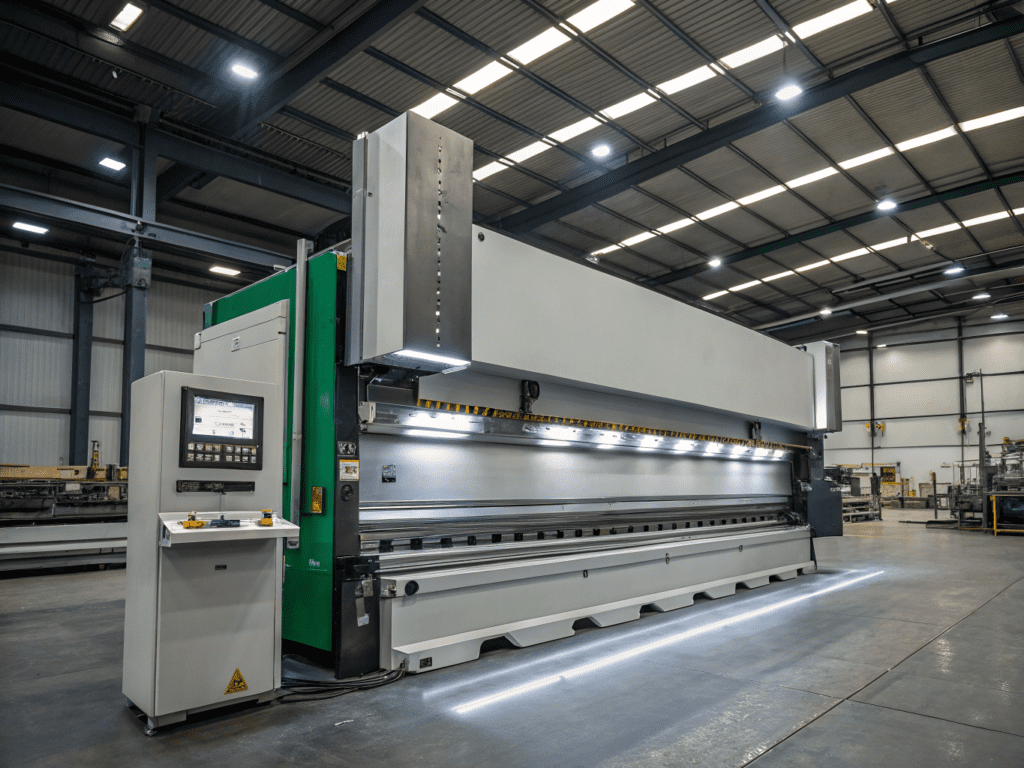
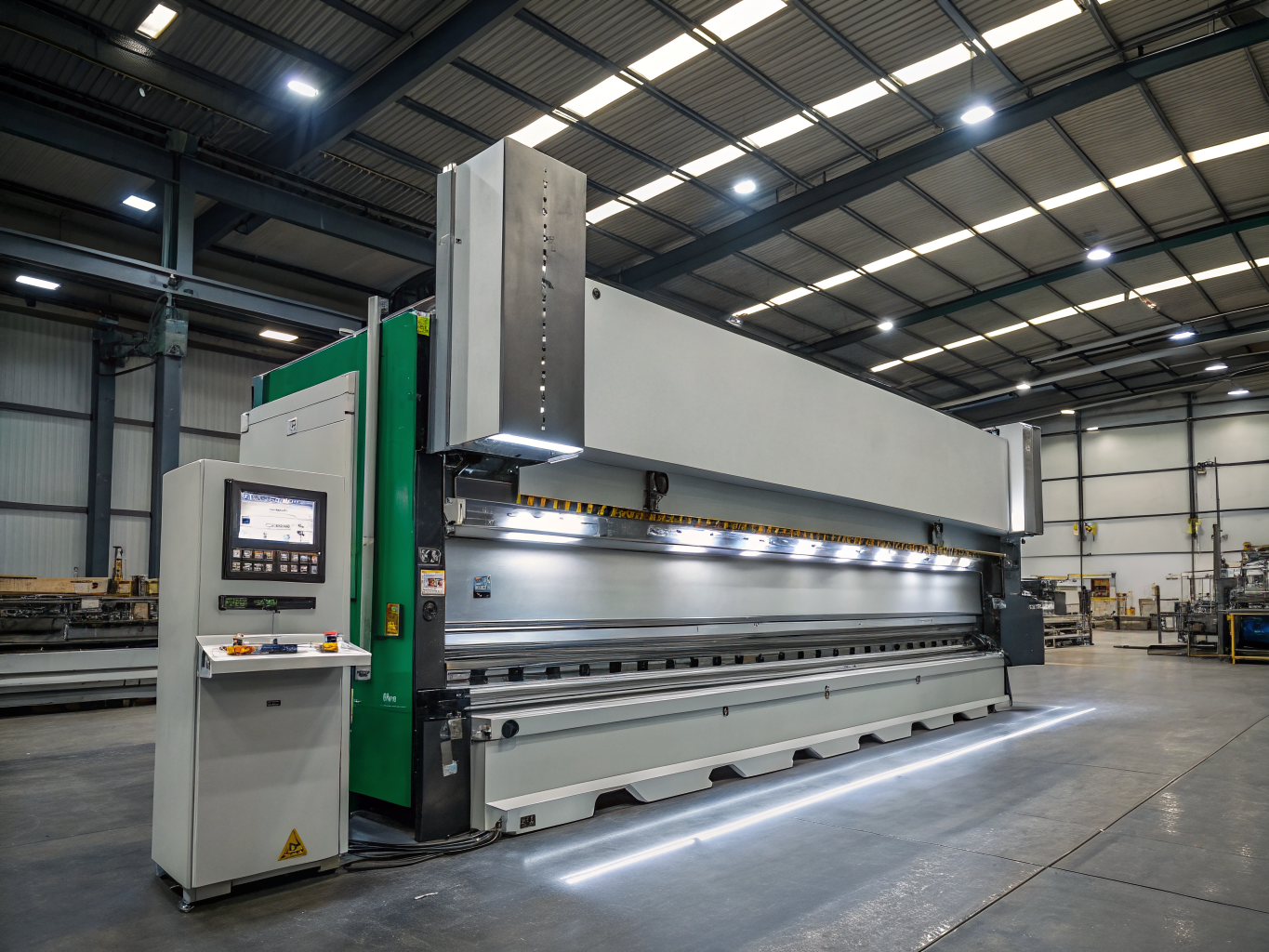
Bending shapes sheet along a straight line: a punch pushes it into a V-die, producing flanges, boxes, and enclosures. Press brakes bend one line at a time; automated panel bending machines fold a whole panel in sequence — the approach SafeFaber uses in its automated panel bending cells.
Standard bends need no dedicated die, making bending the fastest, cheapest route to low-volume parts, with CNC accuracy typically around ±0.3–0.5 mm on short flanges.
3.2 Stamping and Press Forming
Stamping forms sheet between matched die halves in a press, shaping an entire contour — ribs, embosses, draw flanges — in one stroke. In shop language stamping also covers blanking and piercing, which cut the flat outline; form dies shape metal without cutting.
Dies are expensive to design and build, so stamping pays off when tooling cost spreads over many identical parts — in return it gives the fastest cycle time and most consistent geometry.
3.3 Roll Forming
Roll forming feeds a long strip through roller sets, each bending the profile a little further until the cross-section is complete. It suits parts with constant cross-section along their length — rails, gutters, trims, profiles. Output runs in meters per minute, so piece cost falls sharply at volume. Rollers are the tooling; the investment is real but typically below matched stamping dies. See roll forming for more.
3.4 Deep Drawing
Deep drawing turns a flat blank into a hollow part: a punch pushes the sheet into a die cavity while a blank holder controls material flow. Cups, canisters, housings, and shells are typical. Deeper draws risk wall thinning, wrinkling, and tearing, so draw-quality material and generous corner radii matter. Unlike shallow stamping, deep drawing redistributes a large area into walls.
3.5 Spinning
Spinning shapes a rotating disc against a former with localized pressure, letting the sheet flow progressively. It fits axisymmetric parts — cones, domes, lamp shades — in low-to-medium volumes, with low tooling cost but slower cycles than deep drawing.
3.6 Flanging, Hemming, and Embossing
Flanging bends an edge to stiffen or prepare a joint; hemming folds an edge back for a safe, finished rim; embossing adds ribs, logos, or dimples. These are usually secondary steps after the main forming operation.
Process Comparison at a Glance
| Process | Principle | Typical Thickness | Tooling Cost | Volume Threshold | Typical Parts |
|---|---|---|---|---|---|
| Bending / press braking | Straight-line folds under a brake | 0.5–6 mm | Low to none | Low — single parts up | Brackets, enclosures, chassis |
| Stamping / press forming | Blank formed in matched dies in one stroke | 0.3–4 mm | High | High — thousands of pieces | Mass-produced brackets, covers |
| Roll forming | Strip bent progressively through rollers | 0.4–3 mm | Medium to high | Medium to high — long runs | Rails, gutters, trims |
| Deep drawing | Blank drawn into a cavity to form walls | 0.3–3 mm | High | Medium to high | Cups, canisters, housings |
| Spinning | Rotating sheet formed against a former | 0.5–3 mm | Low to medium | Low to medium | Cones, domes, lamp shades |
4. Bending vs Stamping vs Roll Forming
Three questions drive the choice: geometry complexity, batch size, and tolerance.
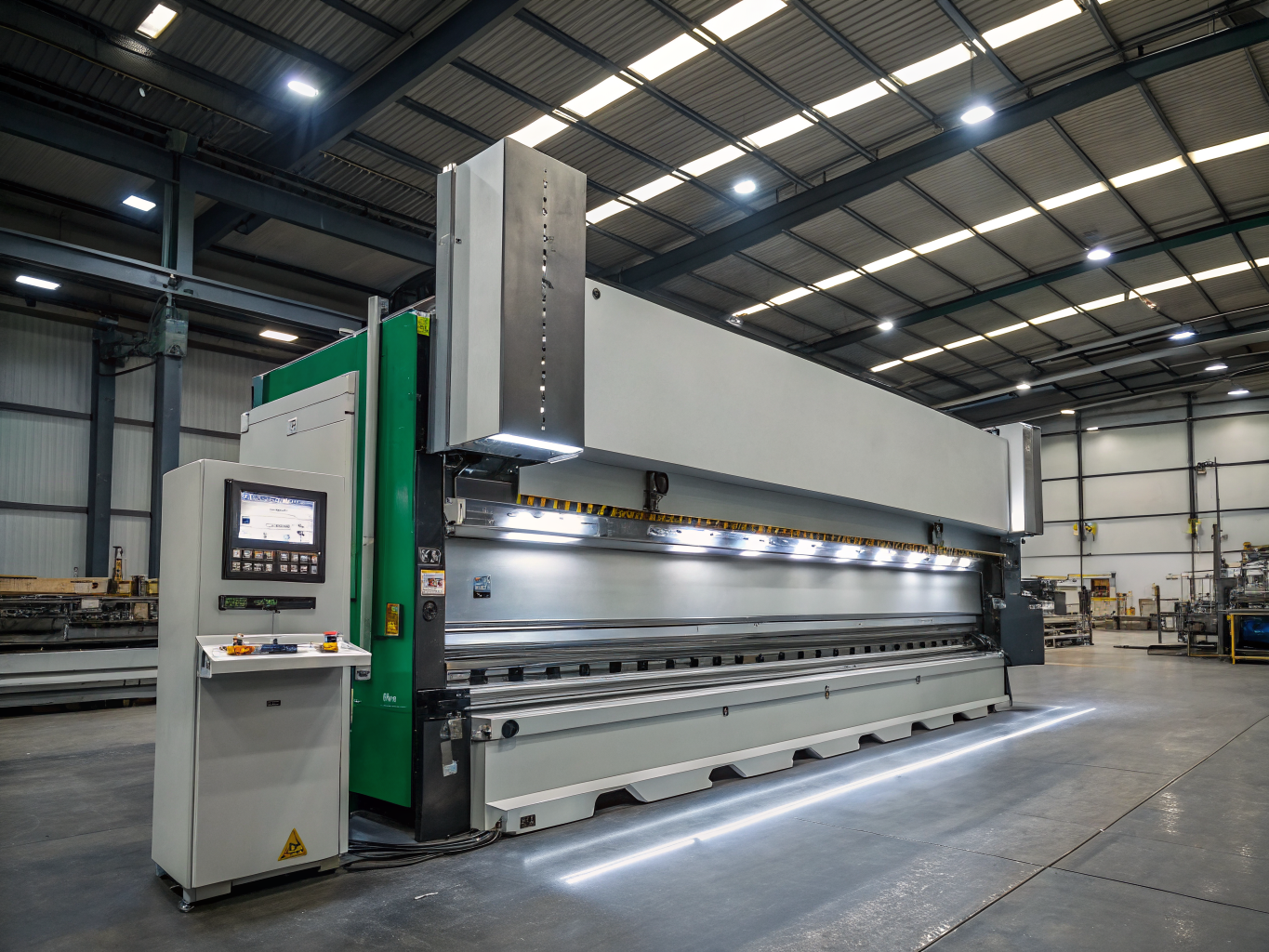
Bending wins for low-to-medium volumes where parts are flat faces joined by straight folds — no die means a cheap, fast first part. Stamping wins when the design adds ribs, drawn flanges, or compound surfaces and volume amortizes the die. Roll forming wins for long constant cross-sections, where rollers beat a brake on speed and consistency.
| Factor | Bending | Stamping | Roll Forming |
|---|---|---|---|
| Geometry | Flat faces, straight folds | Complex formed 3D shapes | Long constant cross-sections |
| Typical batch | 1 to thousands | Thousands and up | Long continuous runs |
| Tooling cost | None for standard bends | High — matched dies | Medium to high — roll sets |
| Tolerance consistency | Machine dependent | Very consistent at volume | Very consistent along length |
| Per-part cost at volume | Flat | Drops steeply with volume | Drops with run length |
5. Materials and Formability
Material decides how far a part can bend or draw. Carbon steel is the forming default: predictable, forgiving, available in many grades. Carbon steel sheet forming behaves reliably across thicknesses, which is why it dominates industrial work.
Stainless steel is formable but work-hardens quickly and springs back more than mild steel. Aluminum is light and corrosion-resistant, but aluminum sheet forming typically requires larger bend radii, springs back more, and cracks more easily at tight corners; softer tempers behave better. Our sheet metal materials guide compares grades and tempers.
Three rules apply across materials. Radii: the internal bend radius should be at least one material thickness for low-carbon steel, commonly 1.5–2× for aluminum and harder stainless — starting points, not guarantees. Grain: bending parallel to the rolling grain can crack on tight radii, especially in aluminum. Springback: aluminum and high-strength steels relax more, so tools over-bend and bent-feature tolerances should stay loose.
6. Choosing the Right Process
Match the part to the process before comparing price. The table covers common cases; unusual parts usually combine processes.
| Part | Best-fit Process | Why |
|---|---|---|
| Bracket, panel, small enclosure | Bending / press braking | Straight folds, no die cost, fast first article |
| Same component in large volumes with formed details | Stamping | Die amortizes; fastest cycle time |
| Long rail, trim, or profile | Roll forming | Constant section; continuous low-cost output |
| Cup, canister, closed housing | Deep drawing | Hollow geometry with thin walls |
Decide by geometry first, then annual volume, then tolerance. Bend reliefs, radii, and feature spacing must be right before committing to a die or program — early design engineering review prevents expensive re-tooling.
7. Fabrication Cost and Lead Time Implications
Tooling is the biggest differentiator. Bending needs no die: quoting starts from a flat pattern and first parts can ship in days, which is why prototypes almost always use press brakes even when production will stamp. Stamp dies are designed, machined, and tried out first; delivery typically takes 2–6 weeks depending on part size and complexity, and the die only pays back across thousands of parts. Roll forming needs a designed and machined roll set — an investment between the two extremes.
Piece cost runs the opposite curve. A stamped part costs little in cycle time once the die exists, while each press-brake part carries labor and handling, so unit price barely falls with quantity. That crossover — die amortization versus per-part labor — is the real minimum-order logic for stamped parts.
SafeFaber quotes formed parts from drawings: bending programs suit prototyping and low-volume runs; stamping is quoted per die plus piece price. Bent prototypes ship in days; stamped production typically takes weeks.
8. Frequently Asked Questions
Q1: What are the types of sheet metal forming?
The main sheet metal forming types are bending (press braking), stamping or press forming, roll forming, and deep drawing, plus spinning and secondary operations such as flanging, hemming, and embossing. Geometry and volume decide between them.
Q2: What is the difference between bending and stamping?
Bending makes straight folds one at a time with no dedicated die. Stamping shapes the whole part between matched dies in one stroke, adding ribs and compound surfaces. Bending suits low-to-medium volumes with fast, cheap first parts; stamping pays off when die cost spreads over many pieces.
Q3: What is deep drawing in sheet metal?
Deep drawing pulls a flat blank into a die cavity with a punch, forming hollow parts with walls — cups, canisters, housings, shells. Wall thinning, wrinkling, and tearing are the risks, so draw-quality material and generous radii are essential.
Q4: Can aluminum sheet be formed?
Yes. Aluminum is formed in production daily but needs more design care than steel: larger bend radii, more springback compensation, and greater crack risk at sharp corners. Softer tempers and draw-quality alloys behave best.
Q5: How do you reduce springback in sheet metal forming?
Over-bend slightly beyond the target angle, use bottoming or coining where tolerances are tight, and account for material grade and thickness. Relaxing tolerances on bent features also helps — formed surfaces are less predictable than cut ones.
Q6: Is there a minimum order for stamped parts?
Effectively yes, and tooling sets it. Parts are quoted as die cost plus piece price, so the practical minimum is the volume at which the die pays back. Minimums vary by supplier. Bending, with no die to amortize, starts far lower.
Q7: Which forming process is best for prototypes and low volume?
Bending. It needs no dedicated dies, first articles ship in days from a flat pattern, and design changes cost nothing in tooling. Stamping and roll forming are chosen once the design is frozen and volumes justify tooling.
9. Conclusion
The sourcing logic is short: match geometry and volume to a process, then let tooling economics decide. Bending for flexible low-volume parts, stamping for identical parts at scale, roll forming for long profiles, deep drawing for hollow parts.
SafeFaber is a contract sheet metal manufacturer based in China, with automated bending, stamping, and full fabrication under one roof. Send your drawing for a quote within 24 hours.