Sheet Metal Cost Breakdown: What Affects Pricing & How to Reduce Costs
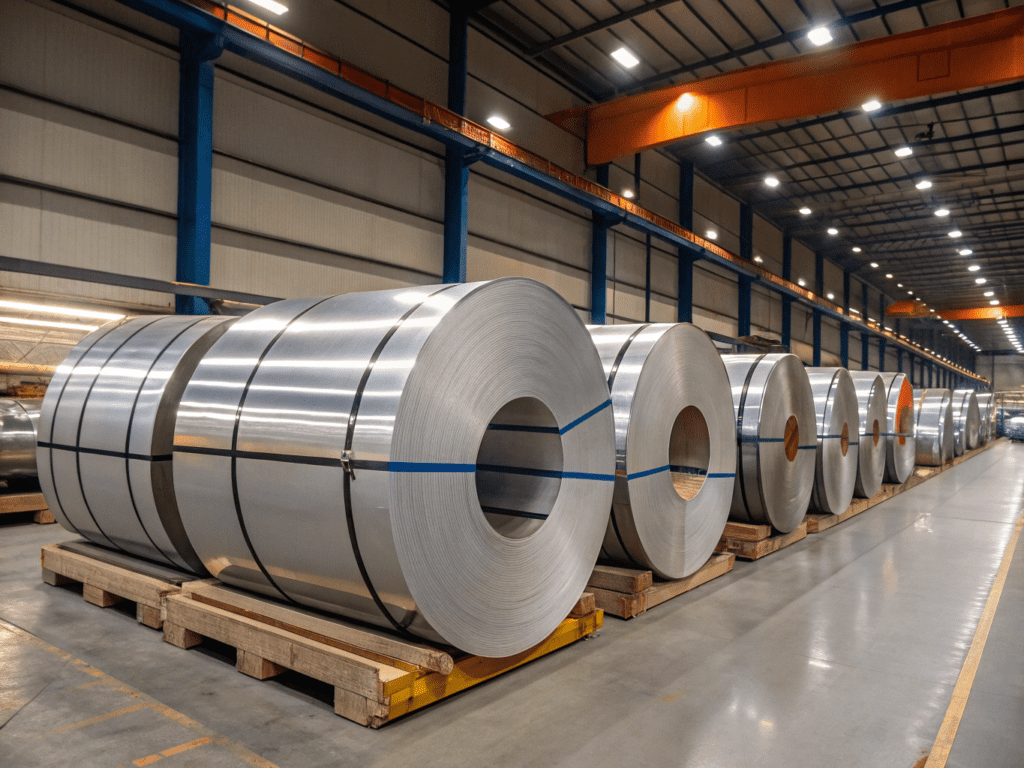
Understanding custom sheet metal brackets cost starts with one fact: a quote is not one price for one thing. It is a stack of blocks — material, processing, finishing, setup and logistics — and each responds to a different decision. Material and processing usually dominate, while programming, setup and tooling sit on top as fixed costs that spread across the order quantity. Knowing which block a change touches is what turns a price negotiation into a cost conversation.
This guide breaks a fabricated part price into its blocks, shows how unit price falls with volume, gives a should-cost model you can run before requesting quotes, and explains why two quotes for the same drawing can differ by more than the part is worth.
Custom Sheet Metal Brackets Cost: Worked Examples by Volume
Buyers usually ask about custom sheet metal brackets cost in the singular, expecting a number. The useful answer is the shape of the curve, because a bracket carries a small variable cost — the metal and machine time it consumes — and a fixed cost that is paid once whether you order one part or five thousand.
Absolute prices move with the metal market, the region and the drawing, so the table below uses an index instead of currency. It models a simple 3 mm carbon steel bracket: two bends, four holes, deburred, bare. The one-off fixed block — drawing review, programming, first-article check, machine setup — is assumed here to be six times the variable cost of making a single part. That ratio is illustrative, not a quotation; a welded, powder coated enclosure carries a much larger fixed share and therefore falls further.
| Order quantity | Fixed cost per part (index) | Variable cost per part (index) | Unit price (index) | What dominates the quote |
|---|---|---|---|---|
| 1 part | 6.00 | 1.00 | 100 | Programming, setup and handling |
| 50 parts | 0.12 | 1.00 | 16 | Material and machine time |
| 500 parts | 0.012 | 1.00 | 15 | Material, nesting yield and process time |
| 5,000 parts | 0.001 | 1.00 | 14 | Material price and yield |
Three things follow from that shape. Between one part and fifty the unit price collapses, because the fixed block is divided by a larger number — this is the range where a prototype genuinely is expensive, and nothing is wrong with the quote. Between fifty and five thousand the price is nearly flat: what remains is material and machine time, and doubling the order does not halve anything. The curve bends again only when a different process becomes available, such as a dedicated punch die that adds fixed tooling cost but removes enough unit time to pay for itself. So order as few as you need, and ask where the next real breakpoint sits instead of assuming it falls on the round number you had in mind.
The Cost Breakdown: What Each Block Covers
Every quote can be grouped into a handful of blocks. Their shares vary widely — a flat bracket and a welded stainless cabinet look nothing alike — but the structure holds.
| Cost block | Typical share | What moves it |
|---|---|---|
| Material | 30–60% | Grade, thickness, sheet size, nesting yield, scrap |
| Fabrication | 20–40% | Number of operations, cut length, bend count, weld length, machine time |
| Surface finishing | 5–15% | Coating or plating type, surface area, pretreatment, masking, batch size |
| Tooling and engineering (NRE) | 0–15% | New tooling, programming, first-article inspection; falls with quantity |
| Logistics and packaging | 5–20% | Part size and weight, packaging density, trade terms, destination |
Treat those ranges as a model rather than a rate card: they overlap because one shop books programming into fabrication and another shows it as a separate line. What matters is the ordering. Material and fabrication together typically account for 60–80% of a part price, which means the largest available savings live at the drawing stage, long before the last round of negotiation.
Cost per Process: Cutting, Bending, Welding, Finishing
Within fabrication, cost is purchased machine time plus labour, and it climbs with the number of operations rather than the size of the drawing.
| Process | What the cost scales with | How to keep it down |
|---|---|---|
| Laser cutting | Total cut length, material thickness, pierce count, nest efficiency | Share one hole pattern instead of many unique ones; avoid profiling that adds nothing |
| CNC punching | Tooling setup plus hit count; cheapest per feature when geometry repeats | Consolidate hole sizes to standard tool diameters |
| Bending | Handling and forming time per bend, plus tooling changes | Fewer, simpler bends; keep bend radii consistent across the part |
| Welding | Labour hours, joint preparation, straightening after distortion | Merge parts and use tabs or forms to shorten weld length |
| Machining | Secondary operations for tight bores, threads, counterbores and flatness | Reserve machined features for the dimensions that genuinely need them |
| Finishing | Coated area, colour changes, masking labour, batch size | Decide the finished state before quoting, and mask only what is required |
| Hardware insertion | One step per pressed nut, stud or insert | Decide early whether assembly happens at the fabricator |
Cutting is usually the cheapest operation per unit of work, which is why laser sheet metal cutting makes complex two-dimensional profiles affordable even at low volume. Laser cutting cost scales with cut length and thickness rather than with part count, so a busy profile with many small holes is priced by its perimeter, not by its size. CNC punching is the opposite trade: tooling has to exist first, and after that each hit is fast, so it wins where a pattern repeats enough to justify the tool.
Bending is the operation buyers underestimate. A part with five bends passes through panel bending five times, and each pass adds handling, a possible tool change and a check. Welding is heavier still: it is labour-hour work with distortion to correct afterwards, so a design that replaces welded sub-parts with one folded part removes the whole step.
Tolerance is the quiet variable. A general ±0.5 mm profile tolerance on a laser-cut part normally costs nothing extra, while a ±0.05 mm callout on the same feature may require post-cutting machining, extra inspection and a slower route. Mark the dimensions that matter and the price follows. Where a machined feature is unavoidable, the work is quoted in machine hours: a CNC machining quote for a secondary operation tracks the setup and the tolerance, not the ambition of the drawing.
Finishing is priced on a different unit again. Coating is charged largely by area and colour change, while plating is a batch wet process charged per tank run — so a small batch plating job is dominated by the batch minimum rather than by the number of parts in it.
Setup and Programming Cost: Why the First Part Is Expensive
The first part off the line absorbs work that no later part repeats: the drawing is reviewed, the program is written and proved out, tooling is loaded or made, the bend sequence is decided, and the first article is measured. That block is genuinely fixed — it does not shrink because the part is small, and it does not disappear because the order is urgent.
This is also why a change made after approval costs more than the same change made before it. A revised hole position is minutes of programming before the first cut and a fresh first-article check afterwards. Our guide to design for manufacturability collects the sheet metal design guidelines that remove operations before they ever reach the shop floor.
Material Cost: Yield, Nesting and Scrap
Material is usually the largest single line on a quote, so the decisions that touch it matter most.
Which metal is cheapest. When a buyer asks for the cheapest metal that will do the job, the answer is almost always carbon steel. It is the least expensive of the common sheet materials, it cuts and forms quickly, and it needs protection only in corrosive service. Stainless steel costs more because of alloy content and slower processing, with 316 above 304. Aluminium usually falls between the two, and its lower density can change the delivered comparison once freight is counted. Galvanised steel is a carbon steel base plus a zinc coating: a modest premium over bare steel, and often less than coating the finished part. The sheet metal materials guide summarises the grades and how each behaves.
Thickness and sheet size. Thicker material costs more per kilogram and cuts and forms more slowly, so specifying the thinnest gauge that satisfies stiffness and load is a direct saving. Stock size matters as much: standard sheets cost less per square metre than special sizes, and a part that nests cleanly inside a standard sheet wastes little.
Yield and scrap. Every blanking run leaves skeleton scrap, and every hole removes metal you paid for. Rectangular parts on standard sheets reach high utilisation; complex contours and awkward aspect ratios generate offcuts. Fabricators generally carry scrap into the material line, so geometry that nests well lowers the part price without changing anything about how the part works. Where an offcut could become a second part in the same family, say so — the shop may be able to nest the pair together.
Cost Block vs Process: Which Line Moves First
The two views answer different questions. The process view tells you what the shop does; the cost block view tells you where the money sits.
| Process step | Cost block it lands in | Scales with | Typical saving lever |
|---|---|---|---|
| Laser cutting or punching | Fabrication | Cut length, thickness, pierce count, nesting yield | Share hole patterns, nest around standard sheet sizes |
| Bending | Fabrication | Bend count, handling passes, tool changes | Fewer bends; one folded part in place of a welded assembly |
| Welding | Fabrication | Labour hours, joint preparation, straightening | Shorter weld length, tabs and forms to locate parts |
| Machined features | Fabrication | Machine hours and setup, not area | Reserve tight fits and threads for the dimensions that need them |
| Coating or plating | Surface finishing | Coated area and colour changes; plating by batch | Decide the finished state early, mask only what is required |
| Programming and first article | Tooling and engineering | Paid once per design, then divided by quantity | Batch part numbers so the fixed block is paid once |
| Crating and freight | Logistics and packaging | Part size, weight and packing density | Quote every supplier on the same trade term |
Cost Drivers by Volume Band
The dominant driver changes as quantity grows, and so does the right thing to focus on.
| Band | What dominates | Where the savings are |
|---|---|---|
| One-off and prototype | Programming, setup and handling | Simpler geometry, standard material, no new tooling; accept a higher unit price |
| Small batch | Setup amortised over few parts, plus material | Batch several part numbers into one order so setup is paid once; stay on standard stock |
| Mid volume | Material and process time | Nesting yield, bend and weld count, finishing choice |
| High volume | Material price and unit process time | Dedicated tooling, part consolidation, and terms that track the metal market |
Two notes on the ends of that table. At the prototype end the goal is not a low unit price but a fast, correct part: a sheet metal prototype that avoids hard tooling is usually the cheapest route to a decision, and small batch CNC machining is priced the same way, as setup plus machine time. At the high-volume end, tooling changes the curve, and the break-even depends on annual volume rather than on the first order.
Should-Cost Model: What a Fair Price Looks Like
You can build a should-cost estimate without knowing any supplier's rates. Assemble the price from five terms:
- Material mass — blank area times thickness times density, at the going rate for that grade.
- Yield allowance — divide by the nesting yield you expect, so scrap is included rather than argued about afterwards.
- Process time — estimated cut length, bend count, weld length and secondary operations, each at a shop rate.
- Finishing — coated or plated area, plus pretreatment, masking and a batch minimum.
- Fixed block divided by quantity — programming, tooling, first-article inspection and setup.
Two of those terms you can calculate exactly: material mass and, from a nest, yield. The rest need assumptions about rates, which is why a should-cost model is a sanity check rather than a target price. Use it to see which block a supplier is pricing differently. A model that says a quote is 30% high because you assumed a better nesting yield than the geometry allows is not evidence of overcharging — it is a question worth asking.
Reading a Should-Cost Gap Without Accusing the Supplier
A gap between your model and a quote is information, not proof. Before treating it as overcharging, the useful question is which term you and the supplier disagree about: the nesting yield the geometry really allows, the number of operations the drawing implies, or the finishing scope that was left implicit. Ask for the itemised lines and compare them term by term against your model rather than comparing the totals. Where the two agree, the price is a rate discussion. Where they do not, the difference is usually a specification the quote assumed and your model did not.
How to Reduce Cost Without Changing Function
These levers move the price without changing what the part does. They are listed roughly in order of impact.
- Design around standard sheet sizes so blanks nest with minimal waste.
- Reduce the bend count. Each bend adds handling, and a folded part often replaces a welded assembly.
- Relax non-critical tolerances, keeping tight callouts only where mating or function demands them.
- Consolidate parts. Two brackets that become one folded bracket remove cutting, handling and welding steps.
- Regularise holes and cutouts to standard tooling diameters and a single pitch wherever the design allows.
- Choose the grade that meets the environment rather than the one that exceeds it, and skip coating on surfaces that never see weather.
- Decide the finished state early. Bare and deburred, coated, masked and assembled are four different products at four different prices.
- Batch small orders so programming and setup are paid once across several part numbers.
- Send a complete package. DXF or STEP files with material, thickness, bend notes, finishing and critical dimensions let a supplier quote with confidence instead of padding for unknowns.
A loosely defined part does not attract a competitive price; it attracts a risk premium. The wide spread you get back is the shop pricing the unknowns, and only information removes it.
What Makes a Quote Incomparable
The most common mistake in buying fabricated parts is comparing numbers that were never for the same thing. Before comparing price, confirm that every quote shares the following.
- The same specification — identical grade, thickness and drawing revision.
- The same tolerances — a supplier quoting against general tolerances is not quoting your part if a critical dimension is missing.
- The same finishing scope — coating, plating, masking, silk screening and hardware insertion are extras unless stated.
- The same inspection and documentation — a fabricator that measures, records and certifies charges for it, and that cost buys fewer field failures.
- The same trade terms — Incoterms decide who pays freight, insurance and clearance, so a low EXW price can arrive more expensive than a higher CIF quote.
- The same packaging — export crating and palletising are real costs, especially on large enclosures.
When one quote sits far below the rest, ask what is excluded before asking for a discount. When quotes cluster, weigh lead time, quality system and communication instead. Our guide to getting a sheet metal quote walks through what to send and what to expect back, and the contract metal fabrication guide explains how the buying model changes when a partner holds the tooling and the schedule.
Frequently Asked Questions
How much does it cost to get a metal part made?
There is no single number, because the answer depends on material, thickness, the number of operations, tolerances, finishing and quantity. A simple laser-cut flat bracket and a welded, coated stainless assembly sit at opposite ends of the same scale. The reliable route is to send a drawing with material, thickness and finish specified, and ask for an itemised price rather than a range.
Why are quotes for the same part so different?
Usually because they are not for the same part. Suppliers may quote different grades, tolerances, finishing scope or trade terms, and some include tooling and inspection where others treat them as extras. Compare scope before price, and treat a much lower quote as a reason to ask questions rather than a reason to order.
Does laser cutting cost more than punching?
It depends on geometry and quantity. Laser cutting carries no tooling cost and handles complex contours and design changes well, which suits low and medium volumes. Punching is faster per feature once tooling exists and becomes cheaper at high volume with repeating patterns. For most custom fabrication, cutting by laser is the default, and CNC punching wins where the geometry repeats enough to justify a die.
What are NRE and setup costs?
Non-recurring engineering covers work done once per design — programming, tooling and first-article inspection. Setup covers preparing the machine for a run. Both are fixed costs divided across the order quantity, which is why unit price falls steeply at first and then flattens. Ask whether they appear as separate lines or are folded into the unit price, so you know what a repeat order will cost.
Should I send a drawing or a CAD file?
Send both when you can. A drawing communicates intent — material, thickness, finishing, tolerances and which dimensions are critical — while a STEP model carries exact three-dimensional geometry. The more complete the package, the more accurate and more comparable the quotes that come back.
Can I get a lower price by ordering more?
Up to a point. Extra quantity spreads the fixed block and can justify tooling, but once setup is fully amortised the price is set by material and machine time and does not fall much further. Ask where the next meaningful breakpoint sits rather than assuming it is at the round number you had in mind.
Related Reading
- How to get a sheet metal quote — what to send and how to read the answer.
- DFM and sheet metal design guidelines — the rules that remove cost before quoting.
- Sheet metal thickness and gauge — picking the thinnest gauge that does the job.
- Contract metal fabrication — how the buying model changes with a long-term partner.
SafeFaber is a contract sheet metal manufacturer running laser cutting from 0.5 mm to 20 mm, CNC punching, CNC bending, welding, machining, in-house powder coating and turnkey assembly under one roof, so a single team controls the cost drivers above from drawing to delivery. Every quotation includes a drawing review at no charge, and the price comes back itemised so you can compare it line by line. Send your drawing to contact SafeFaber for a quotation.